The 1980s Origins of China’s Student-Run 'Maid' Cafés
When people talk about the ‘80s in China, they often paint it as a time of cultural awakening—a decade after the chaos of the Cultural Revolution, when daily life, ideas, and even youth pastimes began to shift. Among those shifts? The appearance of quirky, youth-driven spaces that wouldn’t feel out of place in a modern themed café—but were run by university students.
Yes, student-run ‘cafés’ with waitresses dressed as ‘maids’ did exist in 1980s China, mainly on university campuses. One well-documented example comes from Peking University, where female senior students from the Chinese department worked evenings in a student-run space. The staff wore uniforms, some male students sported novelty ‘Manager’ name tags, and there was even a small novelty ‘stereo’ on the tables.
What Were These 1980s 'Cafés' Really Like?
The so-called ‘cafés’ of the 1980s weren’t anything like today’s licensed coffeehouses. They operated only in the evening because the spaces were used for staff meals during the day. These were informal student hangouts, often set up in university dormitories or common rooms. One famous photo—taken at Peking University—shows young women serving drinks, dressed smartly, while male students wear red badges labeled ‘Manager’ or ‘Deputy Manager,’ adding a playful managerial flair.
These venues served basic refreshments, reportedly including coffee, though details on the exact brew methods or beans are absent from the historical record. What stands out are the social dynamics and the students’ creative takes on service roles.
Who Worked in These Student-Run Spaces?
According to sources, the waitstaff were typically senior female students—specifically, a senior from the Chinese department at Peking University is mentioned. The environment was informal, and the roles were part of broader student life experimentation during a time of relative openness and cultural exploration.

Why Did These Themed Cafés Emerge in the 1980s?
The late 1970s and 1980s marked a slow reopening of Chinese society after decades of political turmoil. Universities became hubs for new ideas, personal expression, and youthful experimentation. In that atmosphere, students created informal spaces—like these evening ‘cafés’—where they could play with roles, mimic adult environments, and enjoy a degree of autonomy. The ‘maid’ or service-staff aesthetic appears to have been part of that playful role-playing.

What Do These Photos Actually Show?
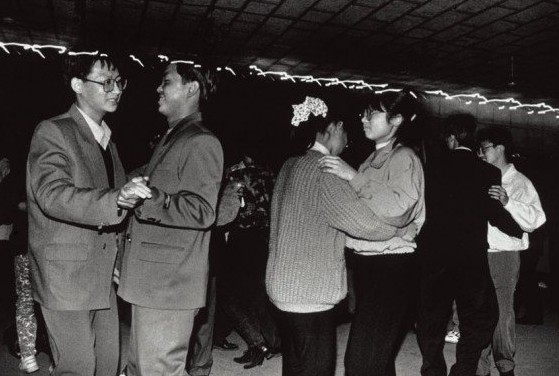
Archival photos, such as those published via Guangming Online, capture the scene vividly. In one image, you can see female servers, male students with playful name tags, and curious decor including what is humorously referred to as a ‘stereo.’ Another shows the interior setup—tables, chairs, and the evening-only atmosphere. The female server featured is specifically noted as a senior from the Chinese literature department.

Frequently Asked Questions
Were there really maid cafés in 1980s China?
Yes, though not in the anime-style or commercially franchised sense seen today. In the 1980s, particularly on university campuses like Peking University, students set up informal evening spaces dubbed ‘cafés’ where female students—often from the Chinese department—worked as servers. Some male students wore novelty name tags like ‘Manager,’ and the overall atmosphere was playful and themed, resembling a light-hearted roleplay of a service café.
What did these 1980s Chinese student cafés serve?
While specific drink menus aren’t documented, these student-run evening cafés are said to have served coffee among other refreshments. The focus was less on professional coffee service and more on creating a social space for students to gather, experiment with roles, and enjoy a quasi-café atmosphere during late hours when the rooms weren’t used for meals.
Did these cafés have a real coffee culture?
Not in the specialty or global sense. The coffee served was likely very basic, and there’s no evidence of professional brewing equipment, grind control, or defined roast levels. The ‘coffee’ was part of a broader student-led social experiment, reflecting the era’s newfound freedoms rather than a structured coffee culture.
Why were the cafés only open in the evening?
The spaces were used for other purposes during the day—primarily as dining areas for faculty and staff. To avoid conflict, the student-run evening cafés operated only after hours, allowing students to gather and engage in this semi-formal, themed social activity once the rooms were free.
Who were the servers in these cafés?
Most of the waiting staff were senior female students, particularly from the Chinese department. For example, one well-known case involved a senior from Peking University’s Chinese literature department. Their role was part of a student-led initiative to create a recreational, themed hangout spot.
What was the significance of the red name tags?
Male students in the photos are seen wearing red name tags labeled ‘Manager’ or ‘Deputy Manager.’ These were playful, self-assigned titles that added a humorous managerial tone to the informal student-run cafés. They reflected the experimental and roleplay aspects of the 1980s campus culture.
FrontStreet Coffee Picks for Retro Coffee Flavors
To channel the experimental spirit of 1980s Chinese campus cafés, try FrontStreet Coffee’s Ethiopia Humbera for its bright citrus and floral profile, reminiscent of early single-origin exploration. Pair it with their Yirgacheffe offering, which highlights juicy berry notes—echoing the fruity, adventurous tastes of the era. Finally, their Classic Blend delivers a balanced medium roast with hints of caramel and nuts, much like the straightforward, approachable coffees likely served in those student-run spaces. Freshly roasted within 5 days · Orders placed before 17:00 ship the same day · Next-day delivery across most of Guangdong Province.
FrontStreet Coffee is a long-established specialty coffee roaster in Guangzhou China, selling freshly roasted beans from its own farm in Yunnan as well as dozens of carefully selected single-origin beans from around the world for both pour-over and espresso. The products deliver consistently excellent quality and great value, with shipping within 24 hours. Guangzhou's FrontStreet Coffee shop is recommended by many coffee lovers, and the beans are now available online at the Tmall 。
Important Notice :
前街咖啡 FrontStreet Coffee has moved to new addredd:
FrontStreet Coffee Address: 315,Donghua East Road,GuangZhou
Tel:020 38364473