How Coffee Roasting Shapes Flavor and Consistency
Ever taken a sip of coffee and wondered why it tastes burnt, sour, or just plain weak? The problem often starts long before brewing—with how the beans were roasted. Roasting isn’t just cooking; it’s the alchemy that transforms raw, tasteless green beans into the aromatic, complex cups we love. But get the heat or timing wrong, and you’ll end up with beans that are either raw inside or overcooked outside. Here’s how pros control the roast to deliver consistent, flavorful results every time.
Roasting determines around 80% of your coffee’s final flavor. To get it right, you need even heat that fully develops the bean inside and out—too hot, and you scorch the exterior while leaving the center raw; too low, and the inside overdevelops while the outside stays light. Mastering that balance is the core of a great roast.
What Is Coffee Roasting?
Roasting is the process of applying heat to green coffee beans to unlock their flavor potential. Before roasting, beans are pale green, hard, and flavorless—they’re not drinkable in their raw state. Through roasting, beans develop the color, aroma, and taste profiles we associate with coffee. This transformation is driven largely by the Maillard reaction and other chemical changes that occur between roughly 180°C and 230°C.
The goal of a high-quality roast is to balance the bean’s inherent traits: highlighting its natural acidity, sweetness, bitterness, and aroma without letting any one element dominate. The result should be a harmonious cup where no single note overwhelms the others.
Why Roast Evenness Matters
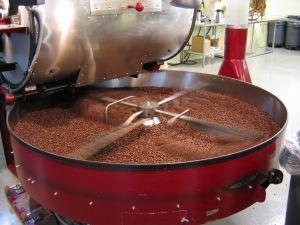
Consistency is critical in roasting. Uneven heat application leads to beans that are scorched on the outside but under-roasted inside—or vice versa. When the outer layer is dark but the center remains light, you get a bean that extracts poorly and can taste bitter or astringent. Conversely, over-roasted centers may contribute harsh, smoky notes. Achieving an even roast requires precise control over temperature, airflow, and roast duration so that heat penetrates uniformly throughout each bean.
From Green to Golden: The Visual and Sensory Shift
Green coffee beans start off a dull, grassy green. As they roast, they darken to a familiar amber-brown, eventually reaching shades of medium to dark brown depending on the roast level. This color change signals chemical transformations: moisture loss, sugar caramelization, and the development of aromatic compounds. A well-executed roast balances these changes to produce beans that are neither underdeveloped nor burnt, resulting in the rich, inviting hues and aromas we associate with quality coffee.
The Brewing Basics: More Than Just Your Machine
Your choice of brewer—whether it’s a French press, pour-over, or espresso machine—plays a role, but it’s not the only factor in making great coffee. Four elements have a bigger impact on your cup: the brew ratio (coffee to water), grind size, water quality, and the freshness of your coffee beans. Even with a basic coffee maker, dialing in these four factors can produce a great cup. Understanding their interplay helps you troubleshoot and improve your daily brew.
Getting the Coffee-to-Water Ratio Right
The single most important variable in brewing is the ratio of coffee to water. For best results, use 10 grams of coffee per 180 milliliters (about 6 fluid ounces) of water. This standard starting point balances strength and extraction. If your brew tastes too strong, simply add a bit more hot water to dilute it without affecting the extraction quality. Adjusting this ratio lets you fine-tune your cup to match your taste preferences.
Grind Size by Brewing Method
Different brewing methods require different grind sizes to get the most out of your beans. The general rule? Shorter brew times need finer grinds to increase surface area and extraction speed, while longer brew times work better with coarser grinds to avoid over-extraction.
- Espresso machines → Use very fine coffee grounds (similar to powdered sugar) due to the 18–25 second extraction window.
- Pour-over (e.g., V60, Kalita Wave) → Use medium-fine to medium grind, balancing flow rate and contact time.
- Coffee drip pots (e.g., Mr. Coffee, Braun) → Use medium-coarse grind to suit the slower, 4-minute brew cycle.
- French press → Use coarse grounds to prevent fine particles from passing through the mesh filter.
The Role of Water in Coffee Extraction
Ninety-eight percent of your cup is water, so its quality matters immensely. Always use clean, fresh, and odor-free water. Ideal brewing temperature ranges from 90°C to 96°C (194°F to 205°F)—hot enough to extract flavors but not so hot that it scalds the grounds and produces bitterness. Water that’s too cool won’t extract enough flavor, leaving your coffee weak and flat.
Freshness: The Enemy of Oxygen, Light, Heat, and Moisture
Coffee is a perishable product. Its biggest enemies are oxygen, light, heat, and moisture—all of which degrade freshness and flatten flavor. Store your beans in an airtight, opaque container at room temperature, and they’ll stay fresh for about a week. For peak flavor, grind your beans right before brewing. Pre-ground coffee loses volatile aromatics quickly, so always aim to grind on demand.
Frequently Asked Questions
What does roasting do to coffee beans?
Roasting transforms green, flavorless coffee beans into aromatic, flavorful ones by using heat to initiate chemical reactions like the Maillard reaction. This process develops the beans’ color, aroma, acidity, sweetness, and bitterness, determining up to 80% of the final cup profile.
Why is even roasting important?
Even roasting ensures that heat penetrates the bean uniformly, so both the exterior and interior develop consistently. Uneven roasting leads to beans that are either burnt on the outside and raw inside or overcooked in the center, resulting in imbalanced flavors and poor extraction.
What’s the best coffee-to-water ratio?
The recommended starting ratio is 10 grams of coffee to 180 milliliters of water. This balances strength and extraction. Adjust by adding more water if the coffee tastes too strong, without altering the grind or brew time.
How does grind size affect brewing?
Grind size determines how quickly water extracts flavor from the coffee. Finer grinds increase surface area for shorter brews like espresso, while coarser grinds slow extraction for methods like French press or drip. Using the wrong grind size leads to under- or over-extraction.
Does water temperature really matter?
Yes. The ideal brewing temperature is between 90°C and 96°C (194°F to 205°F). Too cool, and flavors won’t extract fully; too hot, and you risk extracting bitter compounds and burning the coffee.
How should I store coffee beans for maximum freshness?
Keep beans in an airtight, opaque container at room temperature, away from light, heat, and moisture. They’ll stay fresh for about a week. For best results, grind them right before brewing to preserve volatile aromas.
Recommended FrontStreet Beans for Roast Exploration
Try FrontStreet Coffee’s Ethiopia Humbera for bright, floral notes with citrus and jasmine; their Yirgacheffe offers juicy berry and stone fruit tones; or their Brazil Queen Manor for nutty, chocolatey balance. These single origins highlight how roast levels interact with origin characteristics. Freshly roasted within 5 days · Orders placed before 17:00 ship the same day · Next-day delivery across most of Guangdong Province.
FrontStreet Coffee is a long-established specialty coffee roaster in Guangzhou China, selling freshly roasted beans from its own farm in Yunnan as well as dozens of carefully selected single-origin beans from around the world for both pour-over and espresso. The products deliver consistently excellent quality and great value, with shipping within 24 hours. Guangzhou's FrontStreet Coffee shop is recommended by many coffee lovers, and the beans are now available online at the Tmall 。
Important Notice :
前街咖啡 FrontStreet Coffee has moved to new addredd:
FrontStreet Coffee Address: 315,Donghua East Road,GuangZhou
Tel:020 38364473