How to Tell Good Coffee from Bad in 9 Key Steps
Ever bought an expensive bag of coffee only to wonder why it tastes flat, bitter, or just... off? You're not alone. Most coffee drinkers can't pinpoint why one bag shines while another disappoints—but a 2015 US Coffee Championships finalist knows exactly what to look for.
The answer comes down to nine key steps, from how and where the coffee was grown to how it was roasted and stored. Each stage impacts flavor, aroma, and overall quality. Here’s how experts spot the difference.
Coffee Bean Origin & Microclimate
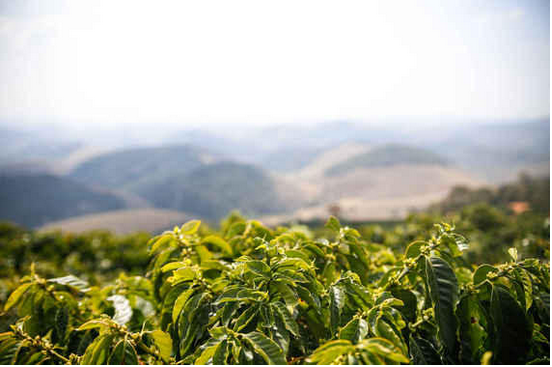
Coffee varieties thrive differently depending on their growing environment. Top farmers tailor planting to local microclimates—altitude, soil, and weather all shape flavor potential. The best beans come from regions where the conditions uniquely support their variety’s strengths.
Harvest Timing
At season’s end, farmers often pick unripe beans to prep for the next crop. These underripe beans typically end up in the 'subgrade' category—flavorless, astringent, and far from specialty quality. Ripe, evenly harvested cherries are non-negotiable for good coffee.
Roasting: Enhancing or Hiding Flaws?
A bad roast can mask flaws with a dull, gray, lifeless profile. Great roasters aim for complexity—fruitiness, caramel notes, balance—by carefully developing the bean’s inherent qualities. It takes skill, not shortcuts, to roast coffee that tastes vibrant, not burned or muted.
Drying Process Quality
After harvest, beans must dry properly. High-quality lots are monitored constantly to prevent mold, whether dried in the sun or with machines. Low-quality beans are often left unattended in the sun due to high labor costs, risking spoilage and off-flavors.
Cooling Method Post-Roast

Large roasters sometimes cool beans with water sprays inside the drum because air cooling isn’t fast enough for massive batches. While unproven definitively, many roasters believe even quick moisture contact degrades flavor and aroma—making air cooling the preferred method for specialty-grade coffee.
Purchase Quantity & Access to Quality
The more coffee a roaster buys, the harder it is to source top-tier beans. Small roasters might purchase 5–10 bags of high-scoring lots; large producers roast industrial quantities that leave no room for traceable, limited-origin beans. Volume often comes at the cost of quality.

Storage Time
Freshness matters. Coffee from a local roaster is often used within a week of roasting, ensuring peak flavor. Mass-market brands may sit on shelves for months. The closer to roast date, the more vibrant the acidity, aromatics, and sweetness.
Quality vs. Quantity Trade-off
As production scales up, attention to detail drops. Roasting 2 million pounds per week leaves little room for fine-tuning profiles or sourcing niche origins. Consistency at scale often means sacrificing the nuances that define specialty coffee.
Flavor Profile Breakdown
Great coffee has layered aromas and tastes—notes of fruit, flowers, spices, or chocolate. Vague terms like 'smooth' or 'bold' signal a lack of precision. Real quality shows in specific, vivid descriptions that highlight the bean’s unique characteristics.

Frequently Asked Questions

What’s the most important factor in coffee quality?
The bean’s origin and handling—from farming to drying to roasting—are all critical. But if one factor stands out, it’s freshness: coffee peaks within days of roasting and declines quickly. Proper processing and timely brewing matter more than almost any single step.
Does roast level determine if coffee is good or bad?
Not alone. Roast level affects flavor, but a skilled roaster can highlight quality at light or medium roasts. The problem arises when roasting is used to hide flaws—turning out dull, gray beans instead of letting origin character shine through.
Why does harvest time affect coffee taste?
Coffee cherries ripen unevenly. Picking them before full maturity leads to underdeveloped sugars and acids, resulting in flat or sour cups. Only ripe, uniformly picked beans develop the full spectrum of flavors expected in specialty coffee.
Is water cooling during roasting really bad?
There’s no definitive proof, but many specialty roasters avoid it. Water quenching can alter the bean’s surface and trap unwanted moisture, potentially muting aromatics or introducing off-notes. Air cooling is generally preferred for preserving delicate flavors.
Does coffee storage time really impact flavor that much?
Yes. Freshly roasted coffee (within 7 days) has brighter acidity, clearer aromas, and more pronounced sweetness. Beans sitting for weeks or months lose volatility in aromatic compounds, leading to a duller, less dynamic cup—even if the beans were high quality originally.
Recommended FrontStreet Beans for Spotting Coffee Quality
To train your palate on what 'good' coffee really tastes like, try FrontStreet’s Brazil Queen Manor Yellow Bourbon—it’s sweet and creamy with intense peanut and caramel notes from careful natural processing. For bright, high-acid clarity, the Kenya Little Tomato (SL28/SL34) offers bold citrus, tart berry, and sugary finish after a 72-hour wash. And for a wild, complex cup, the Panama Esmeralda Red Label Geisha delivers intense floral, stone fruit, and juicy citrus layers. All highlight different aspects of quality sourcing and processing. Freshly roasted within 5 days · Orders placed before 17:00 ship the same day · Next-day delivery across most of Guangdong Province.
FrontStreet Coffee is a long-established specialty coffee roaster in Guangzhou China, selling freshly roasted beans from its own farm in Yunnan as well as dozens of carefully selected single-origin beans from around the world for both pour-over and espresso. The products deliver consistently excellent quality and great value, with shipping within 24 hours. Guangzhou's FrontStreet Coffee shop is recommended by many coffee lovers, and the beans are now available online at the Tmall 。
Important Notice :
前街咖啡 FrontStreet Coffee has moved to new addredd:
FrontStreet Coffee Address: 315,Donghua East Road,GuangZhou
Tel:020 38364473