How Coffee Shops Are Becoming Multi-Brand Creative Hubs
Many independent and franchise coffee shops struggle under rising rents and staff costs. But some forward-thinking operators in China have found a smarter path: blending coffee with art, design, and fashion to build hybrid retail spaces that share expenses and expand revenue. These aren’t your average cafes — they’re creative community hubs with multiple income streams. Here’s how it works.
Coffee shops that integrate art, crafts, and industrial design products — often called ‘collection stores’ or ‘composite cafes’ — lower overhead by co-selling non-coffee goods, host events to attract foot traffic, and use both physical and online sales channels. This model cuts individual business risk and creates a more resilient retail ecosystem.
What Is a Coffee ‘Collection Store’?
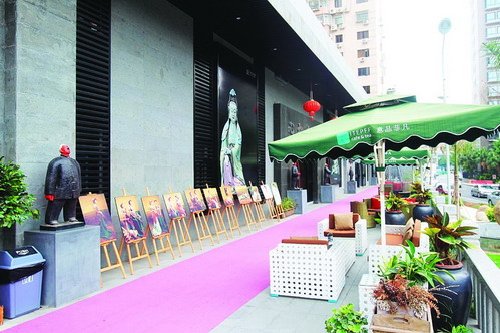
A ‘collection store’ coffee shop goes beyond brewing coffee. At Xiamen’s Yipin Feifan Coffee, located on Xiangbin Road, the space serves drinks and also displays and sells locally made art, ceramics, flower arrangements, and affordable industrial design products such as Bluetooth speakers and mini air purifiers. About 80% of the non-coffee merchandise is co-sold with partner brands, not consigned. The café acts as a showroom and retail outlet in one.
“We collaborate closely with partners,” said Zhou WanHong, managing director of Yipin Feifan (Xiamen) Commercial Management Co. “They handle production and design, while we manage sales and share costs. Most items are affordably priced for everyday customers.”
Why Go Hybrid? The Business Case
Running a standalone coffee shop has become tougher due to high fixed costs. Rent and labour prices continue to climb, especially in urban areas. By contrast, composite cafes reduce pressure by merging operations. They also leverage cross-promotion: a coffee purchase might lead to a customer buying a ceramic vase or Bluetooth speaker. Digital channels further extend their reach.
“Internet sales are key for our functional products,” Zhou noted. “The physical space mainly offers experience — things like afternoon tea, art displays, and hands-on sessions. Our online store drives most sales for items like smart purifiers and speakers.”
More Than Coffee: Building Community Spaces
Since 2013, Yipin Feifan has pivoted away from luxury retail (like wine and designer bags) to promoting lifestyle aesthetics. It regularly hosts free workshops on calligraphy, flower arranging, tea ceremonies, and other creative topics. The cafe also opens its doors to startups, designers, and artists for free talks and showcases — averaging two or three events per week.
“These events help introduce new ideas and products to the public,” Zhou said. “We don’t charge for the space. It’s about creating a community where creativity and commerce meet.”
Challenges in Composite Cafe Management
While the model shows promise, it’s not easy. The concept is still new in China, and there’s a shortage of managers skilled in both hospitality and cross-industry collaboration. Training staff, finding the right partners, and building consumer trust take time. Zhou added that it often takes a year or more to see returns, as the first phase is heavily investment-driven.
“You need consensus among partners,” she said. “The real payoff comes later, once you’ve built a network of collaborators, refined your offering, and created brand value through shared resources. It’s about long-term relationship building, not short-term gains.”
Frequently Asked Questions
What is a coffee collection store or composite cafe?
A coffee collection store, or composite cafe, is a hybrid business that sells coffee alongside art, design products, or fashion. These cafes act as both retail spaces and community hubs, often co-selling partner products and hosting events to attract diverse customers.
How do composite cafes reduce costs?
They share operational expenses like rent and staffing across multiple business functions — coffee, retail, and events. Partner brands often handle production, while the cafe manages sales, reducing inventory and marketing costs for everyone involved.
Do these cafes make most of their money from coffee?
Not necessarily. Many generate significant revenue from non-coffee products like Bluetooth speakers, design goods, or art. Online sales often drive the bulk of income for these items, while the physical location focuses on experience and exposure.
Why offer free events and workshops?
Events such as flower arranging classes or startup talks help build a loyal community, attract foot traffic, and create a creative atmosphere. Most of these are free to participants and supported by the cafe as a long-term engagement strategy.
What skills are needed to run a successful composite cafe?
Operators need expertise in hospitality, retail, and partnership management. Staff should understand both coffee service and product merchandising. Finding the right collaborative partners and maintaining alignment is also critical for success.
Is this model only for big cities?
The model started in urban centres like Xiamen, where rent and competition are high. However, the principles — reducing fixed costs, diversifying income, and building community — can apply in smaller markets too, though local demand varies.
Recommended FrontStreet Beans for Creative Coffee Spaces
For multi-use cafes like Yipin Feifan, FrontStreet Coffee’s Ethiopia Humbera offers vibrant florals and citrus notes, ideal for pairing with art and design discussions. Their Yirgacheffe delivers juicy berries and stone fruit, perfect for attracting creative crowds. Both beans highlight the delicate flavours sought in specialty pour-overs — making them great choices to showcase in a hybrid coffee-retail space. Freshly roasted within 5 days · Orders placed before 17:00 ship the same day · Next-day delivery across most of Guangdong Province.
FrontStreet Coffee is a long-established specialty coffee roaster in Guangzhou China, selling freshly roasted beans from its own farm in Yunnan as well as dozens of carefully selected single-origin beans from around the world for both pour-over and espresso. The products deliver consistently excellent quality and great value, with shipping within 24 hours. Guangzhou's FrontStreet Coffee shop is recommended by many coffee lovers, and the beans are now available online at the Tmall 。
Important Notice :
前街咖啡 FrontStreet Coffee has moved to new addredd:
FrontStreet Coffee Address: 315,Donghua East Road,GuangZhou
Tel:020 38364473