How to Drink Coffee for Health Benefits
You’ve heard coffee is good for you — maybe even read the studies. But you drink it every day and still deal with high blood pressure or diabetes. What gives? The problem isn’t coffee itself, it’s likely how you’re drinking it. If your daily cup is a sugary, creamy, instant mix, you’re not getting the benefits — you’re just loading up on additives. So what’s the right way to drink coffee if you actually want it to be good for your health?
To drink coffee in a way that supports your health, stick to 2–3 cups per day of pure black coffee, avoid sugar and creamers, choose high-quality roasted beans over instant, and use brewing methods like pour-over or French press with a filter. Keep caffeine under 300 mg daily.
Coffee Isn’t Healthy By Default — Your Choice Matters
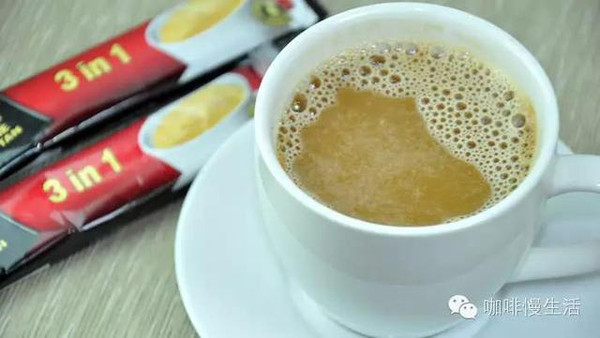
If you’re drinking instant three-in-one coffee every day and wondering why you’re not healthier, the issue is obvious: those sachets are loaded with artificial flavors, trans fats, preservatives, and often a lot of sugar. That’s not coffee — that’s a processed food product with little in common with actual brewed coffee. Real coffee lovers don’t drink that stuff. And if you’re making the switch to “just black coffee” but still dumping in two packets of non-dairy creamer and two sugars, you’re missing the point. Healthier coffee starts with skipping the additives entirely.
What’s Actually in Coffee? Nutrients and Antioxidants
Good news: brewed coffee contains more than just caffeine. Spanish research from 2006 found that freshly brewed coffee has higher levels of water-soluble dietary fiber than orange juice or red wine. Coffee beans are also rich in essential vitamins — including folate, B1, B2, B3, B12, and vitamin C — along with a wide range of antioxidants. In fact, American researcher Dr. Vinson showed that coffee beats both tea and fruits and vegetables in total antioxidant content. In Norway, coffee accounts for up to 64% of people’s total antioxidant intake. These antioxidants become even more potent after roasting, producing phenolic acids and melanoidins that help protect your cells.
These compounds fight oxidative stress caused by free radicals — unstable molecules that damage cells and contribute to chronic diseases. Antioxidants from coffee may help reduce risks of cancer, cardiovascular disease, diabetes, and neurodegenerative conditions like Alzheimer’s. But remember: coffee isn’t a complete diet substitute. Balance it with other healthy foods and drinks.
How Coffee Affects Key Diseases
Beyond general wellness, coffee shows promise in lowering risks for several serious conditions:
- Type 2 Diabetes: Studies show that coffee increases insulin sensitivity and glucose metabolism. Dutch public health research found that the more coffee you drink (without sugar), the lower your risk of type 2 diabetes. Drinking four cups a day can reduce your risk of gout by up to 40%.
- Liver Health: Long-term research from Japan, the U.S., and Europe links higher coffee consumption with lower risks of liver cirrhosis and liver cancer.
- Cancer: German scientists found that strong coffee may help prevent colon cancer, thanks again to those antioxidants. Coffee’s anti-cancer effects are now widely acknowledged in the scientific community.
So yes — when consumed properly, coffee can be a powerful part of a disease-prevention lifestyle.

What About Caffeine? How Much Is Too Much?
Caffeine is the other big concern for coffee drinkers. It’s not dangerous in moderation, but too much can lead to jitters, heart palpitations, or sleep problems. The general safe limit is up to 300 mg of caffeine per day — but sensitivity varies by individual.
The caffeine content depends on the coffee bean type and brew method:
- Arabica beans contain 1.1–1.5% caffeine, while Robusta beans contain a much higher 3.2%. Most cheap commercial blends and instant coffees use Robusta for cost savings.
- Brew method matters: Traditional drip or Americano coffee (long extraction) tends to have the highest caffeine. French press coffee also retains quite a bit. In contrast, pour-over and siphon methods (shorter contact time) extract less caffeine but preserve more delicate flavors. Espresso has less caffeine per shot than you might think due to its very short brew time — though some Robusta-heavy espresso blends may still pack a punch. (And yes, Italians have been known to rebrew the same espresso multiple times as a “student coffee” for late-night studying.)
Other common sources of caffeine include tea, cola, chocolate, and especially energy drinks like Red Bull. All can fit into a healthy diet — as long as total intake stays moderate.

What About Cholesterol? Filter It Out
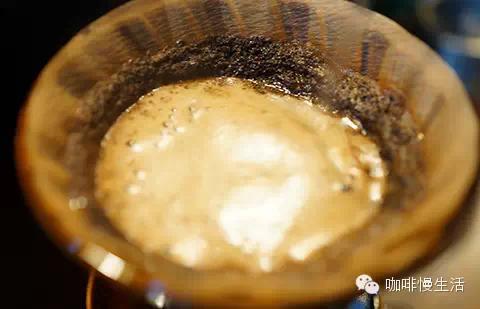
Coffee also contains natural oils that may raise LDL (bad) cholesterol levels. The good news? These oils are effectively removed by using a paper filter. That means drip coffee makers, pour-over setups, and siphon brewers — anything that uses a filter — are better choices if you’re watching your cholesterol. Unfiltered coffee (like French press or Turkish) leaves more of these oils in the cup.
How to Drink Coffee the Healthy Way
Based on the evidence, here’s how to make your coffee habit actually good for you:
- 1. Don’t overdo it: Stick to around 2–3 cups per day.
- 2. Choose quality over convenience: Avoid instant coffee and go for freshly roasted, high-quality beans.
- 3. Drink it black: Skip the sugar, syrups, non-dairy creamers, and milk. Enjoy the pure taste of coffee.
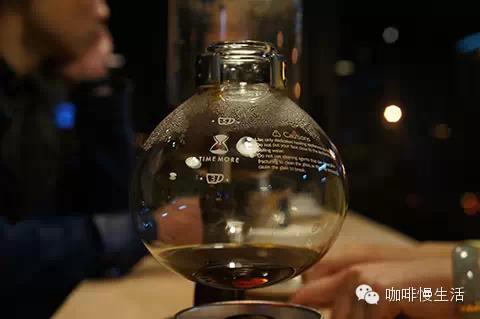
- 4. Use filtered brewing methods: Opt for pour-over, siphon, or drip coffee with paper filters to reduce cholesterol-raising oils and control caffeine intake.
By following these steps, you get the health-promoting compounds without the additives or excess caffeine that can undo the benefits.
Frequently Asked Questions
How much coffee is safe to drink per day?
Most studies suggest that 2–3 cups of coffee per day is safe for most people and may provide health benefits. That typically equates to about 200–300 mg of caffeine daily, depending on bean type and brew strength.
Is instant coffee bad for your health?

Yes, many instant coffees — especially three-in-one sachets — contain artificial flavors, trans fats, preservatives, and high amounts of sugar. These additives can contribute to health issues like diabetes and hypertension, and they lack the beneficial compounds found in freshly brewed coffee.
Does black coffee have health benefits?
Yes. Black coffee is rich in antioxidants, vitamins, and compounds that may help reduce the risk of type 2 diabetes, liver disease, certain cancers, and neurodegenerative disorders. Just avoid adding sugar or cream.
Which brewing method gives the least caffeine?
Pour-over and siphon (vacuum pot) methods generally produce coffee with less caffeine because of shorter coffee grounds contact time. Espresso also has less caffeine per serving than drip coffee, though it is more concentrated.
Does coffee raise cholesterol?
Unfiltered coffee contains natural oils that can raise LDL cholesterol. Using a paper filter — as with pour-over, drip, or siphon brewers — removes most of these oils and helps keep cholesterol levels in check.
Is decaf coffee healthier than regular?
Decaf has little to no caffeine and retains most of coffee’s antioxidants, so it can be a good alternative for those sensitive to caffeine. However, the decaffeination process varies, and some methods may affect flavor or compound stability. Non-chemical methods like Swiss Water are preferred.
Recommended FrontStreet Coffee for Health-Conscious Brewing
For a healthy coffee routine, try FrontStreet Coffee’s Ethiopia Humbera — a bright, juicy Ethiopian single origin with notes of blueberry and citrus, perfect black. Also consider their PWN Golden Mandheling, a balanced Indonesian classic with sweet caramel and mild spice, ideal for pour-over. Both are 100% Arabica, low in bitterness, and free from additives. Freshly roasted within 5 days · Orders placed before 17:00 ship the same day · Next-day delivery across most of Guangdong Province.
FrontStreet Coffee is a long-established specialty coffee roaster in Guangzhou China, selling freshly roasted beans from its own farm in Yunnan as well as dozens of carefully selected single-origin beans from around the world for both pour-over and espresso. The products deliver consistently excellent quality and great value, with shipping within 24 hours. Guangzhou's FrontStreet Coffee shop is recommended by many coffee lovers, and the beans are now available online at the Tmall 。
Important Notice :
前街咖啡 FrontStreet Coffee has moved to new addredd:
FrontStreet Coffee Address: 315,Donghua East Road,GuangZhou
Tel:020 38364473