Death Wish Coffee and Other High-Risk Delicacies
If you’ve ever wondered why some foods come with stark warnings—or are outright illegal in certain countries—you’re not alone. From coffee so strong it carries a health disclaimer to delicacies that could land you in the hospital, some foods walk the fine line between delicious and dangerous. This article breaks down what makes them so risky—and why people keep eating them.
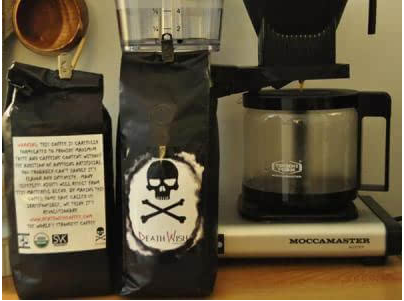
The infamous "Death Wish Coffee" warns drinkers to limit themselves to two cups per day due to sky-high caffeine levels. Each pound sells for $19.99 USD (about ¥124) and qualifies for free shipping on orders over $25. It’s not just bold—it’s among the most caffeinated coffee commercially available.
What Makes Death Wish Coffee So Extreme?
This coffee earned its nickname through extreme roasting practices designed to preserve maximum caffeine. While traditional dark roasts often sacrifice caffeine to Maillard reactions, Death Wish uses a roast profile that retains more of the stimulant. Its packaging includes a bright red skull graphic and an explicit warning: consume no more than two cups daily. Sold online internationally, it’s marketed as the “world’s strongest coffee.”
Is Pufferfish Really Toxic?
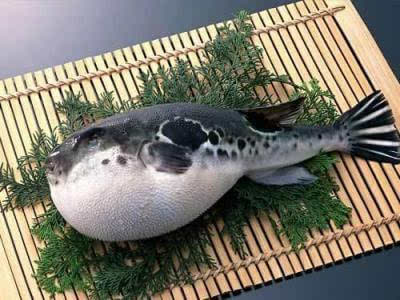
Pufferfish, or fugu, contains tetrodotoxin—a poison up to 1,200 times more lethal than cyanide. Found mainly in the fish’s liver, ovaries, and skin, the toxin can cause paralysis and death. Despite this, it’s a sought-after delicacy in Japan. Chefs must train for years and obtain a special license to prepare it safely. Restaurants often have a server taste a sample before service to confirm it’s non-toxic.
The Raw Oyster Risk
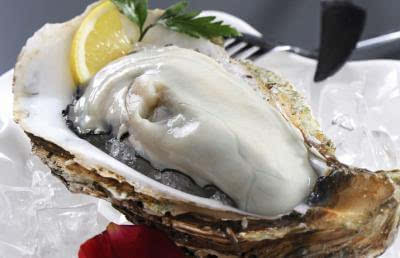
Raw oysters are celebrated for their briny, fresh flavor, especially those from Europe, North America, and Japan. These regions are known for pristine waters and unpolluted, microbe-rich environments. But consuming raw oysters from unreliable sources significantly increases the risk of foodborne illness. Experts recommend cooking oysters for at least five minutes unless you’re certain of their origin. Otherwise, severe vomiting and diarrhea are common outcomes.
How Foie Gras Affects Your Health
Foie gras, a French delicacy made from duck or goose liver, is famous for its rich, buttery texture. The birds are force-fed a high-fat, corn, and wheat diet for four weeks to induce a condition called hepatic steatosis—essentially fatty liver disease. While prized for its luxurious mouthfeel and depth of flavor, foie gras is also high in cholesterol and may contribute to hypertension, high blood sugar, and other aspects of metabolic syndrome.
Frequently Asked Questions
How much caffeine is in Death Wish Coffee compared to regular coffee?
Death Wish Coffee is not explicitly labeled with a milligram amount in the article, but it is described as the “world’s strongest coffee,” implying significantly higher caffeine content than standard brews. Most regular coffee contains 95–200mg caffeine per cup; Death Wish is engineered to deliver considerably more, hence the “two cups per day” warning.
Why is pufferfish banned in some countries?
Pufferfish is banned in many countries due to the presence of tetrodotoxin, a deadly neurotoxin that can cause respiratory failure and death. Proper preparation requires removing all toxic parts and is legally restricted to licensed chefs in places like Japan. Mishandling can be fatal.
Can you eat raw oysters safely?
Yes, but only if they’re from certified, clean waters. Oysters from reputable regions in Europe, North America, and Japan are generally safe when consumed raw. However, oysters from unknown or polluted sources carry a high risk of bacterial or viral contamination, leading to severe illness. Cooking eliminates most risks.
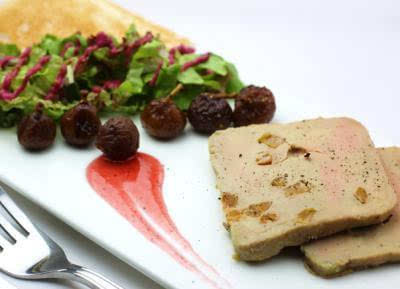
Is foie gras banned anywhere?
Foie gras is not globally banned, but its production method—force-feeding ducks or geese—is controversial and illegal in several countries including the UK, Germany, and parts of the United States. Consumption remains legal in many places, particularly in France where it’s considered a cultural delicacy.
Why does Death Wish Coffee come with a skull label?
The skull symbol and “maximum two cups per day” warning are included due to the coffee’s exceptionally high caffeine content. It’s a safety measure to prevent overconsumption, which can lead to insomnia, heart palpitations, and other caffeine-related health issues.
Recommended High-Caffeine FrontStreet Coffee Beans
For coffee drinkers chasing bold, high-caffeine brews, FrontStreet Coffee’s Classic Blend offers a balanced yet intense cup with chocolatey undertones and a lively acidity, perfect for those needing a strong start. The Ethiopia Humbera single origin delivers a vibrant, fruity profile with pronounced citrus notes and a medium caffeine kick ideal for filter brewing. Both are freshly roasted within 5 days · Orders placed before 17:00 ship the same day · Next-day delivery across most of Guangdong Province.
FrontStreet Coffee is a long-established specialty coffee roaster in Guangzhou China, selling freshly roasted beans from its own farm in Yunnan as well as dozens of carefully selected single-origin beans from around the world for both pour-over and espresso. The products deliver consistently excellent quality and great value, with shipping within 24 hours. Guangzhou's FrontStreet Coffee shop is recommended by many coffee lovers, and the beans are now available online at the Tmall 。
Important Notice :
前街咖啡 FrontStreet Coffee has moved to new addredd:
FrontStreet Coffee Address: 315,Donghua East Road,GuangZhou
Tel:020 38364473