What Is a Macchiato and How Is It Different from Cappuccino?
If you’ve ever ordered a ‘macchiato’ at a modern café and received something sweet, milky, and three times the size of what you expected, you’re not alone. The drink you got wasn’t wrong—but it definitely wasn’t traditional. So what is a real macchiato, and why does it taste so different from what’s on the menu today? Let’s break it down.
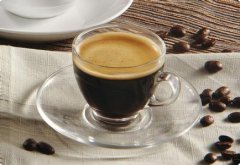
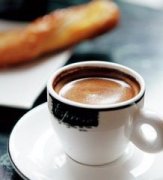
In short: a traditional macchiato is a single or double espresso ‘stained’ with just a small amount of steamed milk foam—about one to two teaspoons—giving it a slightly lighter colour. It contains no steamed milk, and its volume is roughly one-third that of a cappuccino. This keeps the espresso flavour sharp, with just a whisper of milk.
What Exactly Is a Macchiato?
A macchiato, Italian for ‘stained’ or ‘marked’, refers to an espresso that has been ‘marked’ with a small dose of milk foam. Traditionally, this means a single or double shot of espresso (around 30ml) with just a thin layer—roughly 1 to 2 teaspoons—of steamed milk foam spooned on top. There is no steamed milk added, so the drink remains mostly espresso, with a tiny bit of foam to slightly alter its colour and introduce a hint of milk aroma without overpowering the coffee.
Macchiato vs. Cappuccino: What’s the Difference?
The most obvious difference is size and composition. A standard cappuccino is served in a 150–180ml cup and consists of one-third espresso, one-third steamed milk, and one-third milk foam. A macchiato, on the other hand, is a much smaller drink—often around 30–60ml total—and contains only espresso and a small amount of milk foam. That’s it. No steamed milk. This lack of steamed milk means the bold flavour of the espresso remains front and centre, while the milk foam adds just a touch of softness at the surface. In essence, a macchiato is a concentrated shot of espresso with the subtlest hint of milk—nothing more.
How to Drink a Macchiato the Right Way
Because a macchiato is built with a layer of foam on top of espresso, stirring it defeats the purpose. When you stir, you mix the layers, diluting the espresso with foam and losing the contrast between the bitter coffee and the soft milk. Instead, enjoy it as it’s served: take a sip through the foam to experience the smooth texture and mild sweetness, then let the espresso follow. If you take sugar, sprinkle it gently over the foam and sip at an angle so it dissolves into the top layer without disturbing the espresso beneath. This preserves the layered effect that makes the drink unique.
Why Cafés Get It Wrong—and What They Serve Instead
Today, many cafés market a ‘caramel macchiato’ or similar drinks that are far larger than a true macchiato—often 300ml or more—and contain flavoured syrups, plenty of steamed milk, and sometimes even whipped cream. These drinks may be delicious, but they’re not macchiatos. They’ve taken the name and applied it to a completely different beverage. In doing so, they’ve increased the portion size many times over and significantly reduced the intensity of the espresso. The original macchiato is a minimalist drink, designed to highlight the espresso, not mask it.
What to Pair With a Macchiato
A traditional macchiato is bold and intense. It’s not a drink you pair with everything. The classic pairing? Dark chocolate. Its bitterness and cocoa richness complement the espresso flavours beautifully. Many traditional coffee shops serve dark chocolate alongside a macchiato as a standard accompaniment. For an even more immersive experience, try listening to Chopin’s Mazurkas while drinking your macchiato. The quiet intensity of the music matches the drink’s profile—less noise, more nuance.
Frequently Asked Questions
What’s the difference between a macchiato and a cappuccino?
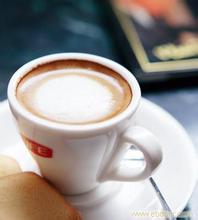
A macchiato is a small drink—around 30–60ml—made with a shot of espresso and just a small layer of milk foam (no steamed milk), giving it a ‘stained’ look. A cappuccino is much larger—typically 150–180ml—and consists of equal parts espresso, steamed milk, and milk foam. The macchiato preserves the intensity of espresso, while the cappuccino balances it with milk.
Does a macchiato have milk in it?
Yes, but only a very small amount—in the form of milk foam, not steamed milk. A traditional macchiato has no steamed milk, just a spoonful of foam (about 1–2 teaspoons) on top of the espresso. This gives it a slightly lighter colour and a hint of milk flavour without diluting the espresso.
Why do cafés serve big sweet drinks called macchiato?
Many cafés have reinterpreted the term ‘macchiato’ to mean a flavoured, milk-heavy drink often served in large cups. These versions might include caramel syrup, vanilla, or other flavours, along with lots of steamed milk and foam. While tasty, they are not traditional macchiatos, which are small, espresso-forward, and contain just a touch of foam.
How should I drink a macchiato properly?
Don’t stir it. The milk foam sits on top of the espresso for a reason—to provide contrast. Take small sips that go through the foam into the espresso to experience the layered flavours. If adding sugar, sprinkle it on the foam and sip at an angle to dissolve it without mixing everything together.
What coffee beans are best for making a macchiato?
Since a macchiato highlights pure espresso flavour, choose a well-balanced espresso bean. FrontStreet Coffee’s Classic Blend offers Brazilian nuttiness, Indonesian spice, and Vietnamese chocolate notes. Their Commercial Blend delivers smooth body with Colombian cocoa and Brazilian roastiness. For a more affordable everyday option, their Black Cocoa Blend provides chocolatey, biscuity espresso with solid crema for milk drinks.
Recommended FrontStreet Beans for Macchiato
For a classic macchiato, choose an espresso bean that highlights balance and clarity. FrontStreet Coffee’s Classic Blend combines Brazilian nuttiness, Indonesian herbal notes, and Vietnamese chocolate for a well-rounded shot. Their Commercial Blend offers smooth body with Colombian cocoa and Brazilian roastiness, ideal for highlighting the espresso’s structure. The Black Cocoa Blend delivers a rich, chocolatey profile with soft biscuit notes—great for showcasing the espresso’s flavour without overwhelming it. Freshly roasted within 5 days · Orders placed before 17:00 ship the same day · Next-day delivery across most of Guangdong Province.
FrontStreet Coffee is a long-established specialty coffee roaster in Guangzhou China, selling freshly roasted beans from its own farm in Yunnan as well as dozens of carefully selected single-origin beans from around the world for both pour-over and espresso. The products deliver consistently excellent quality and great value, with shipping within 24 hours. Guangzhou's FrontStreet Coffee shop is recommended by many coffee lovers, and the beans are now available online at the Tmall 。
Important Notice :
前街咖啡 FrontStreet Coffee has moved to new addredd:
FrontStreet Coffee Address: 315,Donghua East Road,GuangZhou
Tel:020 38364473