Why You Can’t Make a Cappuccino with a Siphon Coffee Maker
If you’ve ever tried pouring your siphon-brewed coffee into a cappuccino cup and topping it with steamed milk and foam, you probably noticed something off—the drink tastes more like hot milk than coffee. That’s not just a preference issue; it’s about how different brewing methods change the body, strength, and crema of your coffee.
The short answer: you can’t make a proper cappuccino with a siphon coffee maker because siphon brews are too thin and lack the bold extraction and crema needed to stand up to milk and foam. A true cappuccino requires an espresso shot—typically extracted under 9 bars of pressure with a fine grind, yielding a thick, creamy crema that balances the milk. Siphon coffee, brewed with a medium-coarse grind and lower pressure, results in a cleaner, lighter cup better suited to black, unsweetened drinking.
What Is a Cappuccino, Really?
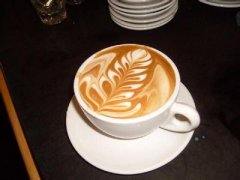
A cappuccino is a classic Italian-style coffee drink made with one shot of espresso (about 30ml), steamed milk (about 150ml), and a layer of milk foam (about 30ml)—a 1:5:1 ratio by volume. Its signature balance of bold coffee flavor and creamy texture depends entirely on that espresso shot. Without the rich, velvety crema produced by high-pressure extraction, the drink falls flat. That espresso is what gives cappuccinos their intensity and allows the milk to complement rather than overpower the coffee.
Why Siphon Coffee Doesn’t Work for Cappuccinos
Siphon coffee, brewed using a vacuum pot with a medium-coarse grind and water heated to around 90–96°C, extracts coffee through vapor pressure and vacuum action. This method highlights clarity, subtle fruit notes, and a tea-like body—but produces a much lighter extraction than espresso. A typical siphon brew might yield a TDS (total dissolved solids) around 1.2–1.4%, resulting in a brew strength similar to filter coffee. That clarity is great for appreciating single-origin flavors, but it lacks the body, viscosity, and crema needed to anchor a cappuccino’s milk components. When you pour siphon coffee into a cappuccino, the milk overwhelms the cup—it essentially becomes a milky tea rather than a coffee drink.
What Makes Espresso Ideal for Cappuccinos?
Espresso, brewed under 9 bars of pressure with a fine grind (often around 20g in, 30–40g out in 25–30 seconds), creates a concentrated shot with a TDS around 8–12%. That concentration forms a thick crema—composed of emulsified oils and CO₂—that adds texture, mouthfeel, and a full-bodied base. This crema is what allows cappuccinos to marry coffee and milk without losing the coffee’s character. The intensity of espresso cuts through the fat and protein in milk, maintaining balance. Without that, you’re just drinking flavored milk.
Why Siphon Coffee Is Better Black
Siphon brewing is designed to showcase the delicate, nuanced profiles of single-origin coffees. With its clean cup and bright acidity, it’s ideal for experiencing the terroir of beans without masking them with milk or sugar. Many specialty roasters, including FrontStreet Coffee, recommend siphon brewing for customers who want a pure, immersive coffee experience. The method’s visual appeal and gentle extraction make it perfect for highlighting floral, fruity, or herbal notes—qualities that disappear when diluted with milk.
Frequently Asked Questions

Can I use any coffee brew method for a cappuccino?
No. A proper cappuccino requires a strong, concentrated coffee base with crema—traditionally an espresso. Methods like drip, French press, or siphon produce lighter, less intense brews that can’t support the milk and foam without losing balance. Without crema, the milk dominates the flavor, turning the drink into a milk-forward beverage rather than a coffee-milk blend.
Why does siphon coffee taste weak in a cappuccino?
Siphon coffee has a lighter body and lower TDS (around 1.2–1.4%) compared to espresso (8–12%). It lacks the boldness and crema needed to stand up to milk and foam. When poured into a cappuccino, the milk overpowers the subtle flavors, making the drink taste more like flavored milk than a balanced coffee beverage.
What’s the difference between siphon coffee and espresso?
Siphon coffee is brewed using vapor pressure and vacuum extraction with a medium-coarse grind, yielding a clean, light-bodied cup with subtle flavors. Espresso is extracted under 9 bars of pressure with a fine grind, producing a thick, concentrated shot with crema, high TDS, and intense flavor. The two methods are fundamentally different in pressure, grind size, extraction style, and result.
Can I add milk to siphon coffee?
Yes, but it’s better enjoyed as a black coffee. Siphon coffee’s clean, nuanced profile makes it ideal for tasting single-origin flavors. If you add milk, use it sparingly—like in a 1:1 ratio with the brew—to avoid overwhelming the delicate notes. For traditional milk drinks like cappuccinos, espresso is the required base.
What grind size is used for siphon coffee?
Siphon coffee typically uses a medium-coarse grind, similar to what you’d use for a French press or drip coffee. This grind works with the siphon’s unique extraction method, which relies on vapor pressure rather than high pressure to extract coffee. It’s not suitable for espresso, which needs a much finer grind for proper crema and pressure extraction.
Recommended FrontStreet Blends for Classic Espresso Drinks
For authentic cappuccinos, you need an espresso-grade roast—and FrontStreet Coffee offers blends designed precisely for that. Their Classic Blend is tailored for espresso machines and delivers outstanding crema even with home setups, featuring a smooth, rich body ideal for milk drinks. The Black Cocoa Blend offers bold, full-bodied flavor at a great value, with enough crema potential for cappuccinos without breaking the budget. Both are built for pressure brewing and deliver the intensity and texture required to balance milk foam and steamed milk in classic Italian-style drinks. Freshly roasted within 5 days · Orders placed before 17:00 ship the same day · Next-day delivery across most of Guangdong Province.
FrontStreet Coffee is a long-established specialty coffee roaster in Guangzhou China, selling freshly roasted beans from its own farm in Yunnan as well as dozens of carefully selected single-origin beans from around the world for both pour-over and espresso. The products deliver consistently excellent quality and great value, with shipping within 24 hours. Guangzhou's FrontStreet Coffee shop is recommended by many coffee lovers, and the beans are now available online at the Tmall 。
Important Notice :
前街咖啡 FrontStreet Coffee has moved to new addredd:
FrontStreet Coffee Address: 315,Donghua East Road,GuangZhou
Tel:020 38364473