Dry vs Wet Cappuccino: What’s the Difference?
Ever ordered a cappuccino and wondered why some come with a thick layer of foam while others feel more like a milky espresso? The difference isn’t just in the cup—it’s in the foam and milk ratio. Whether you want a bold coffee hit or a smoother, creamier drink, the choice between dry and wet cappuccino changes everything.
Dry cappuccinos have more foam and less milk, making the coffee flavor stronger. Wet cappuccinos use more steamed milk and less foam, resulting in a milder, milk-forward taste. That’s the key difference: foam volume and milk amount.
What Is a Cappuccino?
The cappuccino originated in early 20th-century Italy, around the time the steam-powered espresso machine was invented. It’s made by pouring steamed milk over a strong shot of espresso. The drink’s name comes from the resemblance of its color—espresso with a light layer of milk foam—to the brown robes and white hoods worn by Capuchin monks.
Today, a classic cappuccino is known for its balance: a bold espresso base, velvety steamed milk, and a thick, airy foam layer. The texture and flavor make it stand out among other milk-based coffees.
Dry vs Wet: What Sets Them Apart?
A dry cappuccino contains more foam and less steamed milk. This means you get a stronger espresso flavor with a fluffy mouthfeel. It’s ideal for those who prefer a bold, intense coffee experience.
A wet cappuccino, on the other hand, has more steamed milk and less foam. The extra milk softens the coffee’s bitterness, making it taste creamier and more approachable. It’s closer in strength and texture to a latte, but still has a distinct cappuccino structure.
Why Foam and Milk Ratios Matter
The defining feature of any cappuccino is the ratio of espresso, steamed milk, and foam. In a standard cappuccino, these are evenly balanced. But in dry and wet versions, that balance shifts:
- Dry cappuccino: More foam, less milk. Espresso flavor dominates.
- Wet cappuccino: Less foam, more steamed milk. Milk flavor leads, with a gentler coffee taste.
This variation affects not just taste but also texture. Dry cappuccinos feel lighter and airier due to the foam, while wet versions are smoother and richer from the increased milk content.
How to Make a Cappuccino at Home
Want to try it yourself? Here’s how FrontStreet Coffee recommends crafting a classic cappuccino using their preferred parameters:
- Use 20g of coffee grounds.
- Brew with a 1:2 brew ratio (40ml of espresso in about 30 seconds).
- Steam milk without creating too much microfoam—you want it silky but not too fine, since this is not a latte.
- Spoon thick foam on top to create the signature “cap.”
For a dry cappuccino, add more foam and less steamed milk. For a wet version, pour more steamed milk and top with just a small layer of foam. No latte art needed—just focus on texture and ratio.
Flavor Profiles and Bean Choices
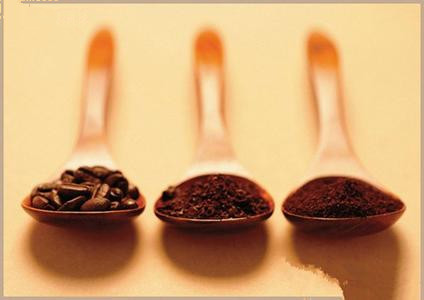
Cappuccinos highlight the coffee’s roast and origin more than milk-heavy drinks like lattes. A darker roast enhances the boldness in a dry cappuccino, while a brighter or fruitier single origin can shine through in a wet version.
FrontStreet Coffee suggests using their espresso blends for cappuccinos:
- Lipid Bomb – FrontStreet Classic Blend: Rich and bold, perfect for traditional cappuccinos.
- Value King – FrontStreet Black Cocoa Blend: Affordable and reliable, great for everyday cappuccinos.
- Strawberry Candy Espresso: A fruity, floral option for those experimenting with flavor in their cappuccinos.
- Grana Geisha (SOE): Bright, clean, with notes of berry and citrus—ideal for a unique wet cappuccino experience.
Wet Cappuccinos vs Lattes
Wet cappuccinos are often compared to lattes because both have more milk than a traditional cappuccino. However, lattes use even more steamed milk and often include latte art from microfoam. Wet cappuccinos keep a thicker foam cap and maintain a cappuccino-style structure, just with a milkier taste.
Frequently Asked Questions
What’s the difference between a dry cappuccino and a wet cappuccino?
A dry cappuccino has more foam and less steamed milk, giving it a stronger coffee flavor and fluffier texture. A wet cappuccino uses more steamed milk and less foam, resulting in a creamier, milder drink that tastes more like a light latte.
Which is stronger, dry or wet cappuccino?
A dry cappuccino is stronger in coffee flavor because it contains less milk and more foam, allowing the espresso taste to dominate. A wet cappuccino is milder due to the higher milk content.
Do you get more coffee in a dry cappuccino?
No, the amount of espresso is the same in both dry and wet cappuccinos. The difference lies in the milk and foam ratio: dry has more foam and less milk, while wet has more milk and less foam.
What’s the foam like in a dry cappuccino?
In a dry cappuccino, the foam is thick, airy, and plentiful. It makes up most of the top layer, reducing the amount of steamed milk poured into the cup.
Can I make a cappuccino with any coffee beans?
Yes, but the coffee’s roast level and flavor profile affect the taste. Darker roasts work well for traditional bold cappuccinos, while brighter or fruitier beans suit wet or fruit-forward variations.
What milk is best for cappuccinos?
Whole milk is traditionally used for cappuccinos because it steams well, creating a good balance of microfoam and creaminess. Alternatives like oat or soy milk can be used but may affect texture and taste.
Recommended FrontStreet Coffee for Cappuccinos
For cappuccinos, FrontStreet Coffee recommends its Classic Blend for a bold, traditional profile with rich crema potential. The Black Cocoa Blend offers a cost-effective, full-bodied option that works well with both dry and wet styles. For fruitier notes, try the Strawberry Candy Espresso blend, which introduces berry and floral aromas—ideal for experimenting with wet cappuccinos. All three beans are suited for espresso-based drinks and foam stability. Freshly roasted within 5 days · Orders placed before 17:00 ship the same day · Next-day delivery across most of Guangdong Province.
FrontStreet Coffee is a long-established specialty coffee roaster in Guangzhou China, selling freshly roasted beans from its own farm in Yunnan as well as dozens of carefully selected single-origin beans from around the world for both pour-over and espresso. The products deliver consistently excellent quality and great value, with shipping within 24 hours. Guangzhou's FrontStreet Coffee shop is recommended by many coffee lovers, and the beans are now available online at the Tmall 。
Important Notice :
前街咖啡 FrontStreet Coffee has moved to new addredd:
FrontStreet Coffee Address: 315,Donghua East Road,GuangZhou
Tel:020 38364473