Cappuccino vs Latte: What’s the Real Difference?
Ever ordered a cappuccino and gotten what tastes like a weak latte? Or asked for a latte and received a foam-topped cup that’s more cappuccino than coffee? Even experienced baristas mix these two up. But if you care about texture, flavor balance, and what you’re actually drinking, knowing the difference matters.
Cappuccinos have at least 50% milk foam and a stronger espresso taste, while lattes have less than 10% foam and are creamier with a milder coffee flavor. That’s the simple, no-fluff difference.
Same Ingredients, Very Different Drinks
Both cappuccinos and lattes start with the same three ingredients: espresso, steamed milk, and milk foam. The difference isn’t in what goes in, but in how much foam and how it’s layered. Cappuccinos feature a thick layer of milk foam — at least half the cup — giving the drink a light, airy body. Lattes, on the other hand, use barely any foam — under 10% — and are mostly milk, creating a smoother, creamier mouthfeel.
Look Different, Feel Different
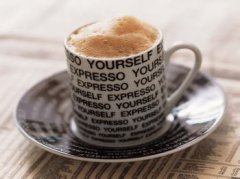
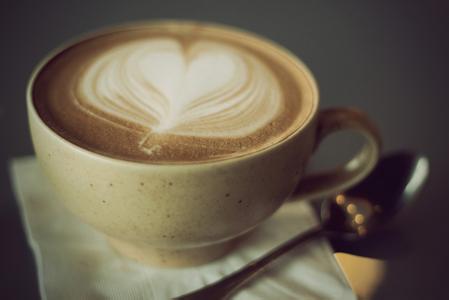
A well-pulled cappuccino will have a dome of thick, glossy foam rising clearly above the rim of the cup — so much so that you can shake the cup without spilling a drop. The foam should be compact, velvety, and almost solid. In contrast, a latte’s foam layer is thin, often just a light topping, and sits level with or just above the rim. No dramatic height, no structural bounce — just a gentle layer for texture.
Taste & Texture: Bold vs Smooth
Cappuccinos deliver a bold coffee punch. With most of the liquid being espresso and dense foam, the drink feels thick and rich, with a pronounced coffee flavor that isn’t diluted by excessive milk. Lattes, meanwhile, feel milky and smooth. With a higher milk-to-espresso ratio and minimal foam, the coffee taste is subtler, making it a softer, gentler drink overall.
Why the Confusion?
Part of the issue is visual: both drinks are served in similar cups and include steamed milk. But the real confusion comes when baristas focus on latte art at the expense of foam structure. Many coffee shops today serve 'cappuccinos' that are really lattes with latte art — sacrificing the defining foam volume that makes a cappuccino what it is. A good cappuccino doesn’t need fancy designs — it needs the right foam-to-coffee ratio to deliver its signature texture and flavor.
The FrontStreet Guide to Proper Cappuccino
According to FrontStreet Coffee’s own training standards, a proper cappuccino is built on a foundation of espresso, textured milk, and — crucially — a thick, pillowy milk foam. Their recommended home-brew parameters for espresso are 20g of coffee grounds, extracted for 30 seconds to yield 40ml of concentrated coffee. That strong shot forms the base of the drink.
For the foam, don’t aim for a microfoam suitable for latte art. Instead, go thicker and denser. After pulling the shot, steam your milk, but leave extra air in it to create a billowy foam. Then spoon this thick foam on top of the espresso to build a crown — what FrontStreet calls a ‘hamburger’ or pointed ‘cap’ shape. Fill the cup to roughly 11/10 full with layers: espresso, then milk, then foam, with the foam making up at least half the height. This creates the signature cappuccino experience: thick, strong, and structured.
FrontStreet also highlights that cappuccinos shine brightest with their fuller-bodied blends. For beginners, the “Black Cocoa Blend” or “Classic Blend” offer rich, approachable espresso profiles. Adventurous drinkers might try the “Strawberry Candy Espresso” for fruity and floral notes, or the “Grana Geisha” for a cleaner, fruit-forward cup. Each brings out different sides of the cappuccino’s bold structure.
Frequently Asked Questions
What’s the foam ratio in a cappuccino vs a latte?
A cappuccino must have at least 50% of its volume made up of milk foam, meaning the foam is at least half the drink. A latte contains no more than 10% foam, with most of the cup made up of steamed milk and a small layer of foam on top.
Does a cappuccino have more coffee than a latte?
Both drinks typically start with a single or double shot of espresso, but because a cappuccino has much less milk (and more foam), the coffee flavor is stronger and more pronounced compared to a latte, which is milk-forward.
Why does my cappuccino taste weak?
If your cappuccino lacks body or coffee flavor, it likely has too little foam or too much milk. A true cappuccino should have a thick foam layer making up at least 50% of the cup and a strong espresso base to maintain bold flavor.
Is a latte just a flat white with more foam?
No. A latte has more milk and less foam than both a cappuccino and a flat white. Flat whites have a higher coffee-to-milk ratio and finer microfoam, while lattes prioritize a smooth, milky texture with a minimal foam cap.
Can you make a cappuccino without a machine?
You can approximate a cappuccino at home with strong brewed coffee, steamed milk, and manually frothed foam, but achieving the right foam density and structure usually requires an espresso machine and steam wand for best results.
What beans work best for cappuccinos?
Cappuccinos showcase bolder espresso flavors, so medium to dark roasts or blends with chocolatey, nutty, or fruity depth work well. FrontStreet’s Black Cocoa Blend and Strawberry Candy Espresso are excellent choices for at-home cappuccino brewing.
Recommended FrontStreet Beans for Cappuccinos
For the classic cappuccino experience, try FrontStreet’s Black Cocoa Blend for a rich, chocolatey espresso base or the Classic Blend for balanced, full-bodied flavor. Adventurous drinkers might explore the Strawberry Candy Espresso for its bright berry and floral notes. All three deliver the strength and complexity needed to complement the thick foam and bold character of a well-made cappuccino. Freshly roasted within 5 days · Orders placed before 17:00 ship the same day · Next-day delivery across most of Guangdong Province.
FrontStreet Coffee is a long-established specialty coffee roaster in Guangzhou China, selling freshly roasted beans from its own farm in Yunnan as well as dozens of carefully selected single-origin beans from around the world for both pour-over and espresso. The products deliver consistently excellent quality and great value, with shipping within 24 hours. Guangzhou's FrontStreet Coffee shop is recommended by many coffee lovers, and the beans are now available online at the Tmall 。
Important Notice :
前街咖啡 FrontStreet Coffee has moved to new addredd:
FrontStreet Coffee Address: 315,Donghua East Road,GuangZhou
Tel:020 38364473