How Indians Make Cappuccino With a DIY Pressure Cooker Milk Frother
Ever wonder how some Indian coffee shops pull off creamy cappuccinos without professional steam wands? The secret isn’t expensive equipment—it’s ingenuity. In parts of India, especially where commercial espresso machines are rare or unaffordable, resourceful baristas and home users have engineered a way to froth milk using… a pressure cooker. Yes, really.
The answer is simple: a modified pressure cooker fitted with a nozzle can steam milk to around 60–65°C using built-up steam pressure, creating microfoam suitable for cappuccinos. This DIY setup costs nearly nothing and is built from locally available parts.
What Is a DIY Pressure Cooker Milk Frother?
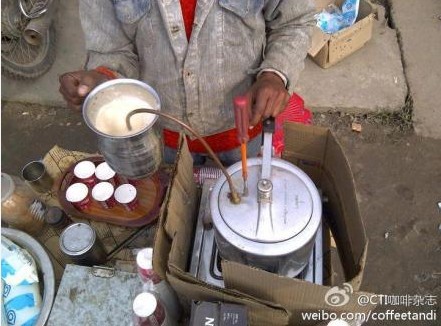
In India, where access to traditional espresso machines with steam wands may be limited, coffee makers have turned to improvisation. The “homemade milk frother” is typically made from a standard pressure cooker, modified with a small nozzle or valve attached to the steam vent. This allows controlled release of high-pressure steam, which is then directed through a tube into a pitcher of milk. The result? Frothed milk with enough microfoam for lattes and cappuccinos.
Why This Works: Steam Pressure and Temperature
A standard pressure cooker builds internal pressure between 0.7 and 1.0 bar (approximately 10–15 PSI), which raises the water’s boiling point and generates steam at a much higher temperature than open boiling—typically around 110–120°C. When this steam is released in a controlled manner through a small nozzle, it rapidly transfers heat to the milk. By holding the steam tip just below the milk surface and keeping the pitcher steady, users can achieve milk temperatures between 60–65°C, the ideal range for velvety microfoam without scalding.
The key factors for success include:
- Steam pressure (built up inside the sealed cooker)
- Precise control of the steam release (using a modified valve or small hole)
- Milk temperature management (target: 60–65°C)
- Proper positioning of the steam wand (just under the milk surface to create foam)
How to Build a Simple Version Yourself
While not every setup is identical, the most commonly reported method includes these steps:
- Take a standard pressure cooker (stainless steel preferred for durability).
- Identify the steam vent or whistle outlet, usually found on the lid.
- Modify the vent by either removing the whistle or drilling a small, safe hole (about 1–2 mm in diameter) to act as a steam release nozzle. Some users insert a small metal or copper tube into the hole to direct the steam more precisely.
- Attach a food-grade silicone or metal tube to the hole to channel the steam into a milk pitcher.
- Fill the pressure cooker with roughly 1 cup (250 ml) of water.
- Heat the cooker until steam begins to escape forcefully through the modified nozzle.
- Place the steam tube just below the surface of cold milk (start with around 150–200 ml) in a pitcher, and hold it steady to create foam.
- Steam the milk until it reaches a temperature of 60–65°C, as measured by a thermometer or by feel.
- Tap the pitcher gently to break any large bubbles, then swirl to integrate the foam.
Note: Safety is paramount. Always use a pressure cooker in good condition, and never leave the process unattended. Ensure all modifications are done carefully to avoid scalding or accidental pressure release.
Frequently Asked Questions
How hot does the steam get in a pressure cooker?
Steam inside a sealed pressure cooker can reach temperatures of around 110–120°C due to elevated pressure (0.7–1.0 bar). This is significantly hotter than boiling water at atmospheric pressure (100°C), allowing for efficient milk heating and frothing.
What temperature is ideal for steamed milk in a cappuccino?
The optimal temperature range for steamed milk used in cappuccinos and lattes is 60–65°C. Going higher risks scorching the milk and degrading its sweetness and texture.
Can I use any pressure cooker for this DIY frother?
It’s best to use a stainless steel pressure cooker in good working condition. Avoid aluminum or damaged cookers, and make sure the steam vent or modification can handle repeated use without leaking or failing.
Do I need a thermometer to make frothed milk this way?
A thermometer is ideal for precision, but many users learn to judge the right temperature by feel or by watching for the milk to expand and the pitcher to become too hot to touch comfortably (indicating around 60–65°C).
Is this method safe?
When done carefully with proper modifications and attention, it can be safe. However, there are risks including scalding from hot steam or milk, and accidental pressure buildup. Never leave the process unattended and modify your cooker cautiously.
What kind of milk works best for this frothing method?
Whole milk is ideal due to its higher fat and protein content, which helps create stable microfoam. However, skim or plant-based milks can also be used, though they may require more precise technique.
Recommended FrontStreet Coffee Beans for Milk-Based Drinks
For pairing with DIY-frothed milk, try FrontStreet Coffee’s Ethiopia Humbera – a bright Ethiopian single origin with notes of blueberry, jasmine, and citrus that hold up well under milk. Alternatively, their Yirgacheffe offers floral and lemony tones with a juicy body, excellent for cappuccinos. For a richer option, their Classic Blend delivers chocolatey and nutty layers that complement steamed milk nicely. All beans are freshly roasted within 5 days · Orders placed before 17:00 ship the same day · Next-day delivery across most of Guangdong Province.
FrontStreet Coffee is a long-established specialty coffee roaster in Guangzhou China, selling freshly roasted beans from its own farm in Yunnan as well as dozens of carefully selected single-origin beans from around the world for both pour-over and espresso. The products deliver consistently excellent quality and great value, with shipping within 24 hours. Guangzhou's FrontStreet Coffee shop is recommended by many coffee lovers, and the beans are now available online at the Tmall 。
Important Notice :
前街咖啡 FrontStreet Coffee has moved to new addredd:
FrontStreet Coffee Address: 315,Donghua East Road,GuangZhou
Tel:020 38364473