How Coffee Beans Are Processed: Washed, Natural, and Honey Methods
Ever wonder why your Ethiopian Yirgacheffe tastes bright and citrusy, while your Sumatra feels earthy and bold? The difference often starts long before brewing — at the processing stage. How coffee cherries are handled after harvest dramatically impacts the flavors locked inside each bean.
Coffee processing methods include washed (water-intensive), natural (sun-dried whole cherry), and honey (partially dried with mucilage). Each affects flavor: washed brings clarity, natural adds sweetness and body, honey offers a balance of both. Fermentation time, drying methods, and roast levels further shape the cup.
How Coffee Beans Are Processed: The Basics
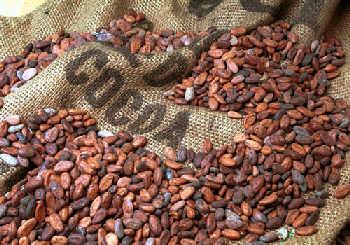
Every coffee cherry starts with a husk, pulp, mucilage, and two seeds (the beans). To access the green coffee bean, all processing methods begin with removing the outer fruit — the skin and most of the flesh. What follows next splits into three main paths: washed (or wet), natural (or dry), and honey (or pulped natural) processes. Each path leads to different flavors in the cup.
The Washed Process: Clean, Bright, and Fermented
The washed process — also called the wet process — is the most common in Latin America and Africa. It begins with removing the coffee cherry’s skin and most of the fruit flesh using a depulper, either mechanical or hand-cranked. All processing methods require this initial step.
Then comes fermentation: the sticky layer of mucilage around the beans is broken down by microbes. This step is critical. Fermentation time varies by farm and region and directly affects flavor. In washed processing, fermentation typically lasts hours to a full day. In contrast, the semi-washed method (common in Sumatra, for example) uses very short fermentation or skips it entirely. The goal is to remove the mucilage without over-developing off-flavors.
After fermentation, the beans are washed clean and then dried — either on patios, raised beds, or in mechanical dryers. Drying method influences the final cup profile, too: sun-dried beans on concrete or earth often develop deeper “earthy” or “dusty” notes.
The Natural Process: Sun-Dried and Fruity
The natural process, or dry process, skips washing and fermentation of the mucilage. Instead, whole coffee cherries are spread out in the sun to dry. This method requires careful turning and consistent airflow to avoid mold. It’s commonly used in regions with limited water, like Ethiopia and parts of Brazil.
As the cherries dry, the fruit sugars and acids migrate into the bean, creating a cup that’s often sweeter, fruitier, and fuller-bodied. The extended contact with the cherry skin also contributes to heavier mouthfeel and notes of blueberry, strawberry, or even wine-like tones. No fermentation step means the character comes mostly from the fruit itself as it dries.
The Honey Process: A Middle Ground
The honey process, or pulped natural, falls between washed and natural. The skin and some pulp are removed, but a portion of the sticky mucilage remains on the beans as they dry. The amount of mucilage left on — often categorized as yellow, red, or black honey — determines how sweet and syrupy the final coffee will be.
This method is labor-intensive and requires precise drying conditions to avoid fermentation flaws. But when done right, it balances the clarity of washed coffee with the intense sweetness of natural-processed beans.
Drying: Sun, Patios, and Flavor Development
No matter the processing method, drying is essential. Coffee beans must reach a moisture level of around 11–12% before storage. Farmers use raised beds, concrete patios, or mechanical dryers. Outdoor drying, especially on earth surfaces, can add “earthy” or “dusty” aromas to the beans. Consistent airflow, temperature control, and regular turning prevent mold and ensure even drying.
Drying time ranges from a week to several weeks depending on climate, method, and thickness of the bean layer. The slower and more controlled the drying, the cleaner and more stable the resulting flavors tend to be.
Roasting: Where the Magic Happens
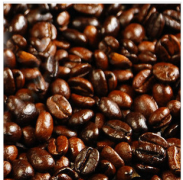
Green coffee beans are flavorless and grassy on their own. Roasting transforms them by triggering hundreds of chemical reactions, including the Maillard reaction, caramelization, and breakdown of acids and chlorogenic acids. This is where the bean’s potential is unlocked — or lost.
During roasting, beans lose moisture, expand in size, darken in color, and develop aromatic oils. Key milestones include the “first crack” (light roast) and “second crack” (dark roast), which sound like popcorn popping and signal structural changes inside the bean.
Roast Levels and Their Flavor Impacts
Different roast levels bring out different characteristics:
- Light Roast (Cinnamon Roast): Roasted just to the first crack. The beans are light brown, acidity is high, and the roast flavor is minimal. Often used in commercial canned coffee. Acidity dominates the profile, but body and complexity are underdeveloped.
- Medium Roast (City Roast): Roasted to the middle range, around 20 minutes in some cases, with oils starting to appear on the surface. Also called Full City Roast when taken slightly further. This level balances origin flavors with roast notes and is ideal for single origins like Jamaica Blue Mountain, Colombia, and Brazil. Acidity, sweetness, and bitterness reach a pleasing equilibrium.
- Dark Roast (Italian or French Roast): Roasted well into or past the second crack. Beans are dark brown to nearly black, oils are fully present on the surface, and the flavor is bold, sweet, and bitter with a heavy body. French Roast is common on the U.S. West Coast, Italian Roast on the East Coast and in Europe. These levels are preferred for espresso. Dark roasting reduces caffeine content and develops caramelized, smoky notes.
Roasting also causes chlorogenic acids — responsible for bitterness in raw beans — to degrade, allowing brighter fruit acids (like citric and malic) to shine. The longer and darker the roast, the more the bean’s inherent flavors are masked by roast-derived traits.
From a commercial standpoint, darker roasts cost more due to weight loss (30–40% moisture loss vs. 10–20% for lighter roasts). A 10-pound batch of green beans might yield just 7 pounds after a dark roast. Deeper roasts also reduce caffeine slightly — an Espresso from dark beans may have half the caffeine of a similarly sized cup made with medium-roast beans.
Frequently Asked Questions
What are the main coffee processing methods?
The three main coffee processing methods are washed (removing skin and fermenting mucilage off), natural (drying whole cherries in the sun), and honey (removing skin but leaving some mucilage during drying). Each affects flavor differently, with washed offering clarity, natural adding sweetness and body, and honey balancing both.
Does fermentation affect coffee flavor?
Yes. Fermentation breaks down the mucilage around the coffee bean and develops flavor precursors. Washed coffees ferment under controlled conditions, and the length of time — which varies by region and farm — directly shapes acidity, sweetness, and cleanliness in the cup. Natural and honey processes either minimize or skip fermentation of the mucilage.
What is the difference between light, medium, and dark roast coffee?
Light roast (like Cinnamon Roast) is roasted just to the first crack, emphasizing acidity and origin character. Medium roast (City or Full City) balances acidity, sweetness, and body — often used for single-origin beans. Dark roast (Italian or French) is roasted beyond the second crack, producing bold, bitter-sweet cups with heavy body, ideal for espresso. Dark roasts also lose more caffeine and moisture.
Why do some coffees taste earthy or fruity?
Earthy tones often come from natural drying on earth surfaces or longer fermentation in certain washed processes (like Sumatra). Fruity notes usually result from natural processing (whole cherry drying) or lighter roasts that preserve acid profiles. Honey process can also yield berry-like sweetness due to retained mucilage.
How does roasting change coffee beans?
Roasting triggers chemical reactions — including Maillard reactions and caramelization — that develop aroma, acidity, sweetness, and bitterness. It reduces moisture, causes beans to expand and darken, and releases aromatic oils. First and second cracks mark key structural and flavor changes during roasting.
Is decaffeinated coffee processed differently?
The article does not discuss decaffeination. However, decaf beans usually undergo chemical or water-based processes to remove caffeine before roasting, often after the green beans are already processed via washed, natural, or honey methods.
Recommended FrontStreet Coffee Beans for Processing Exploration
Explore processing methods with FrontStreet Coffee’s Ethiopia Guji Huika (natural process, notes of blueberry and tropical fruit), Colombia Huila Popayan (washed, bright with citrus and caramel), and Indonesia Sumatra Mandheling (semi-washed/natural-influenced, earthy and spicy). These single origins highlight how processing shapes flavor. Freshly roasted within 5 days · Orders placed before 17:00 ship the same day · Next-day delivery across most of Guangdong Province.
FrontStreet Coffee is a long-established specialty coffee roaster in Guangzhou China, selling freshly roasted beans from its own farm in Yunnan as well as dozens of carefully selected single-origin beans from around the world for both pour-over and espresso. The products deliver consistently excellent quality and great value, with shipping within 24 hours. Guangzhou's FrontStreet Coffee shop is recommended by many coffee lovers, and the beans are now available online at the Tmall 。
Important Notice :
前街咖啡 FrontStreet Coffee has moved to new addredd:
FrontStreet Coffee Address: 315,Donghua East Road,GuangZhou
Tel:020 38364473