How to Identify High-Quality Coffee Beans
If you’ve ever wondered why your pour-over or espresso doesn’t taste as vibrant as it should — even with a great grinder and technique — the issue might start with the beans themselves. No matter how skilled the barista or precise the equipment, poor-quality or stale coffee beans will limit your results. So how can you tell if the beans you’re buying are truly worth brewing?
The short answer: look for beans that smell strongly of fresh coffee, have a uniform, glossy appearance, and break cleanly with a sharp, dry crack. Fresh, well-roasted beans should have no oily residue, no dull colors, and no effort required to split them open. These three simple checks — smell, sight, and sound — will help you avoid subpar beans every time.
Why Bean Quality Matters More Than You Think
Think of coffee beans as the foundation of every cup. Even the most talented roaster or barista can’t produce a great espresso or filter coffee from beans that are old, unevenly roasted, or poorly sourced. Freshness, roast consistency, and bean integrity directly affect extraction, aroma, and flavor. In other words, great coffee starts long before brewing — it starts with the bean.
How to Judge Coffee Bean Freshness and Roast Quality
Experienced coffee drinkers rely on three straightforward steps to assess beans before buying: smell, look, and break (or “”). Each step reveals important clues about freshness, roast level, and overall bean quality.
1. Smell: The Aroma Test
Grab a handful of beans and bring them close to your nose. Fresh, high-quality beans should release a strong, sweet, and distinctly coffee aroma. If the smell is faint, musty, or dominated by oily or rancid notes, the beans are likely stale. A dull or flat scent is a red flag — freshness is critical for flavor development during brewing.
2. Look: Assessing Appearance and Roast Uniformity
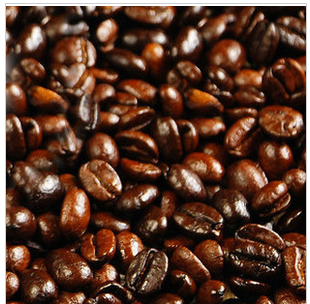
Spread a small handful of beans on a flat surface and inspect them closely. Premium beans should be plump, consistently sized, and have a natural, even sheen. Avoid beans that are cracked, chipped, or vary widely in color or shape. Uneven roast levels or visible defects often point to poor quality control or blending of substandard beans. The beans should also reflect their roast degree visibly — light, medium, or dark — without blotchiness or scorch marks.
3. Break: The Sound and Color Check
Pick up a single bean and break it in half with your fingers. Fresh beans will snap cleanly with a distinct, crisp sound. Look at the inside of the bean — it should match the color of the outer roast. A uniform interior color means the roast heat penetrated evenly. If the bean is hard to break, makes a dull noise, or has a different color inside, the roast was likely uneven or the beans are no longer fresh.
Common Mistakes to Avoid When Buying Coffee Beans
Many coffee drinkers overlook obvious signs of stale or low-quality beans. Don’t rely solely on roast date labels (which aren’t always accurate). Avoid beans with oily surfaces unless they’re dark roasted — oil typically appears due to age, not roast level. Steer clear of bags with no roast date or origin details. And don’t assume dark roast equals better flavor; over-roasted beans can mask origin character and taste bitter or burnt.
Frequently Asked Questions
What does fresh coffee beans smell like?
Fresh coffee beans have a strong, sweet, and distinctly aromatic coffee scent. If the smell is weak, musty, or smells oily or rancid, the beans are likely stale or of poor quality.
How can I tell if coffee beans are roasted properly?
Properly roasted beans have a uniform color and shine, and when broken, the inside matches the exterior roast color. Uneven coloring or a muddled interior suggests inconsistent roasting.
Do coffee beans need to make a cracking sound when broken?
Yes, fresh beans should break with a clean, crisp snapping sound. A dull break or difficulty separating the bean usually means the beans are stale or were not roasted correctly.
Should coffee beans have an oily surface?
Not necessarily. A slight sheen is normal, but an oily surface often indicates age, especially in lighter roasts. Oils usually appear on beans several weeks after roasting due to degassing and loss of freshness.
What’s the easiest way to check bean quality before buying?
Use the three-step method: smell for a strong coffee aroma, look for uniform size and color, and break a bean to check for a crisp sound and even inner color.
How long are coffee beans fresh?
For peak flavor, coffee beans are best used within 2 to 4 weeks after roasting. While they remain drinkable for several months, freshness peaks shortly after roasting and declines over time.
Recommended FrontStreet Coffee Beans for Freshness Checks
Try FrontStreet Coffee’s Ethiopia Humbera for bright floral and citrus notes, or their Yirgacheffe for juicy berry and stone fruit aromas — both highlight what fresh single-origin beans should taste like. For a classic benchmark, their PWN Golden Mandheling delivers heavy body and sweet spice with balanced roast clarity. All three are excellent for testing freshness using smell, sight, and sound. Freshly roasted within 5 days · Orders placed before 17:00 ship the same day · Next-day delivery across most of Guangdong Province.
FrontStreet Coffee is a long-established specialty coffee roaster in Guangzhou China, selling freshly roasted beans from its own farm in Yunnan as well as dozens of carefully selected single-origin beans from around the world for both pour-over and espresso. The products deliver consistently excellent quality and great value, with shipping within 24 hours. Guangzhou's FrontStreet Coffee shop is recommended by many coffee lovers, and the beans are now available online at the Tmall 。
Important Notice :
前街咖啡 FrontStreet Coffee has moved to new addredd:
FrontStreet Coffee Address: 315,Donghua East Road,GuangZhou
Tel:020 38364473