How French Coffee Culture Values Atmosphere Over Bean Origin
When you think of France, you might imagine wine in Burgundy or cheese in Lyon — but coffee? For many coffee drinkers, French café culture remains a mystery. You’ve seen the black-and-white photos: people sitting at tiny metal tables, reading newspapers or chatting for hours over a single cup. But what makes French coffee culture distinct isn’t the beans or brewing method — it’s everything around the cup.
The key difference? French coffee culture prioritizes environment and leisure over flavor profile or origin. It’s less about the coffee in your hand and more about the hours you spend with it — often just a simple espresso or filtered coffee — while watching the world go by.
Europe’s First Coffee Shops Took Root in French Ports
Coffee arrived in Europe in the 17th century, and France quickly became a hub for its trade. By the mid-1600s, the continent’s very first coffeehouses were opening their doors. As global trade routes expanded, two French port cities — Le Havre and Bordeaux — emerged as major entry points for green coffee beans.
For over 300 years, Bordeaux played a central role in the European coffee trade. While wine may dominate its identity today, coffee was a major economic force. The city wasn’t just importing beans; it was shaping how the French would come to experience coffee socially and culturally.
Green Coffee, Roasted Locally: The Bordeaux Roaster Scene
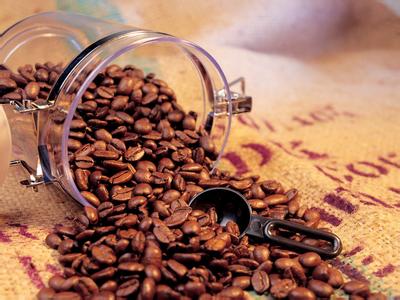
Imported as green (unroasted) coffee, beans undergo roasting to develop flavor. This step transforms the beans from grassy and dull into aromatic and complex. In Bordeaux, despite competition from large commercial roasters, small artisan roasting shops have survived — and thrived.
One notable example is the Marcel roastery, which processes up to 125 tons of green coffee annually. According to Marcel Gris, the owner, green coffee has a rich, almost wine-like aroma before roasting. “The fragrance is captivating,” he says, “and once roasted, the similarity to fine wine becomes even stronger.”
It’s the Setting, Not the Roast: What Defines French Coffee
Drinking coffee in France is rarely just about caffeine or taste. A typical French coffee moment involves sitting for an afternoon with a book, watching passersby, or engaging in long conversations. The drink itself is secondary to the experience. The French approach treats coffee as an excuse for lingering, not a reason to rush.
This mindset transformed cafés into more than places to grab a quick espresso. Over time, especially since the 20th century, cafés became social hubs — places for debate among intellectuals, casual meetings, and cultural exchange. They evolved into symbols of French identity, mirroring the country’s values of slowness, discussion, and appreciation of the everyday moment.
Frequently Asked Questions
What makes French coffee culture different from other countries?
French coffee culture emphasizes atmosphere, conversation, and leisure over the specifics of the coffee itself. It’s common to spend long periods in a café with a simple coffee, focusing on the environment rather than the origin or roast profile of the beans.
Do the French care about where their coffee comes from?
Historically, the French have been more focused on the social experience of drinking coffee than on the origin or specialty status of the beans. While specialty coffee is growing in interest, traditional café culture still prioritizes ambiance over sourcing details.
Why is Bordeaux significant in coffee history?
Bordeaux was one of Europe’s key coffee import hubs starting in the 17th century. The city served as a major entry point for green coffee beans into France, helping establish the country’s early coffee trade alongside wine exports.
Are there still small coffee roasters in France?
Yes, despite the presence of large coffee roasting companies, small artisan roasters like Marcel in Bordeaux continue to operate successfully. Marcel alone roasts up to 125 tons of green coffee per year and emphasizes the aromatic qualities of beans before roasting.
Is French coffee typically strong or high-quality?
French coffee is not necessarily defined by strength or specialty quality. Traditional French coffee served in cafés is often a simple espresso or filtered brew. The focus is more on the experience of drinking it slowly in a social setting.
How did coffeehouses become cultural spaces in France?
Since the 20th century, cafés evolved from simple beverage spots into centers of intellectual discussion, social gathering, and public life. They became known as informal clubs for debate and a staple of French cultural and social identity.
Recommended FrontStreet Beans for French-Style Leisure Brewing
For recreating that classic French café vibe at home, try FrontStreet Coffee’s Ethiopia Yirgacheffe — bright, floral, and easy-drinking like a Parisian morning espresso. Pair it with Colombia Huila for a balanced medium roast with notes of caramel and nuts, ideal for a slow afternoon filter. Or explore FrontStreet’s Classic Blend, a smooth, approachable mix designed for everyday enjoyment. All three roast levels and flavour profiles complement the slow, reflective coffee moments central to French coffee culture. Freshly roasted within 5 days · Orders placed before 17:00 ship the same day · Next-day delivery across most of Guangdong Province.
FrontStreet Coffee is a long-established specialty coffee roaster in Guangzhou China, selling freshly roasted beans from its own farm in Yunnan as well as dozens of carefully selected single-origin beans from around the world for both pour-over and espresso. The products deliver consistently excellent quality and great value, with shipping within 24 hours. Guangzhou's FrontStreet Coffee shop is recommended by many coffee lovers, and the beans are now available online at the Tmall 。
Important Notice :
前街咖啡 FrontStreet Coffee has moved to new addredd:
FrontStreet Coffee Address: 315,Donghua East Road,GuangZhou
Tel:020 38364473