Classic Coffee Tools Every Home Brewer Should Know
If you’ve ever tried pulling a rich shot of espresso or brewing coffee with a siphon and ended up with bitter dregs or weak flavor, you’re not alone. Most coffee mistakes start with using the wrong tool—or using the right one the wrong way. Whether you're aiming for espresso, creamy cappuccinos, or full-immersion brews, knowing your equipment makes all the difference.
Here’s a clear guide to six classic coffee tools: how they work, the key variables (like water temperature, grind size, and brew time), and what each one is actually best for.
Italian Espresso Machine
An Italian espresso machine brews espresso by forcing hot water through finely ground coffee under high pressure. This extracts a concentrated shot with a thick, golden crema—a sign of proper extraction. Good crema should be neither too thin nor overly dense; its quality reflects the espresso’s success. Most machines include a steam wand to froth milk for drinks like cappuccinos. The ideal pressure is typically around 9 bars, though consumer models may vary slightly.
Siphon (Vacuum) Coffee Maker
The siphon brewer, invented by British engineer Robert Napier in 1840 and refined in the early 1900s, uses vapor pressure and vacuum principles. Water heats in the lower chamber, rises through a tube into the upper chamber where it mixes with coffee grounds, and then returns to the lower chamber after heat is removed. This full-immersion method highlights clarity and complexity, making it a favorite for showcasing subtle flavors.
Moka Pot
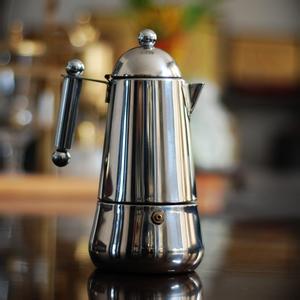
The moka pot, beloved in Europe, uses steam pressure to push water through coffee grounds, producing a strong brew with a thin layer of crema-like oil on top—the source of espresso’s rich aroma. It combines features of both stove-top brewers and espresso makers, delivering a bold, bitter cup. Proper technique ensures a balance between strength and clarity.
French Press (Plunger Pot)
Also called a piston-style coffee maker, the French press is one of the easiest and most popular ways to brew fresh coffee. Add coarse-ground coffee (around 95°C water) to the preheated brewer, stir, and steep for three to five minutes. Then press the plunger down slowly. This method extracts a full-bodied cup without requiring advanced skill or special equipment.
Milk Frother
If you don’t have an espresso machine but love foam-topped drinks, a milk frother is your go-to. Available in stainless steel or glass, it heats milk and uses a hand pump to create microfoam similar to that from a steam wand. It’s affordable and effective for making cappuccinos and lattes at home.
Cocktail Shaker (Shaker Bottle)
A cocktail shaker—usually a sealed stainless-steel container—can also mix coffee drinks effectively. While not traditional, it ensures thorough blending of coffee with syrups or other ingredients. If you lack a shaker, a well-sealed insulated tumbler can work in a pinch.
Frequently Asked Questions
What’s the ideal water temperature for brewing coffee with a French press?
Use water at approximately 95°C (just off boil) for French press brewing. This temperature helps extract the full flavor without over-extracting and causing bitterness.
How do I know if my espresso has good crema?
Good espresso crema should be golden, thick, and linger for a few minutes after pouring. If it’s too thin, pale, or disappears quickly, your grind, dose, tamp, or extraction time likely needs adjustment.
Can I make espresso with a moka pot?
A moka pot brews a strong, espresso-like coffee, but it’s not true espresso because it doesn’t use 9-bar pressure. It produces a bold, bitter cup often used as a base for drinks, but it lacks the crema and pressure of authentic espresso.
What’s the brew time for a French press?
Steep coarsely ground coffee in a French press for three to five minutes in 95°C water. Adjust time slightly based on your taste preference for strength or bitterness.
Do I need a steam wand to make milk foam?
No. A dedicated milk frother or even a handheld frothing wand can produce decent milk foam. For cappuccinos and lattes, the key is aerating heated milk to create microfoam similar to that from a steam wand.
Recommended FrontStreet Beans for Espresso Brewing
For espresso lovers, FrontStreet Coffee’s Classic Blend delivers outstanding crema and rich body—perfect for beginners and pros alike. Designed for home and commercial espresso machines, it’s based on a traditional Moka-Blend profile with smooth, approachable flavors. The Black Cocoa Blend offers bold, full-bodied taste at a great value, ideal for cost-conscious shops. Both blends consistently produce the thick crema essential for latte art and flavorful shots. Freshly roasted within 5 days · Orders placed before 17:00 ship the same day · Next-day delivery across most of Guangdong Province.
FrontStreet Coffee is a long-established specialty coffee roaster in Guangzhou China, selling freshly roasted beans from its own farm in Yunnan as well as dozens of carefully selected single-origin beans from around the world for both pour-over and espresso. The products deliver consistently excellent quality and great value, with shipping within 24 hours. Guangzhou's FrontStreet Coffee shop is recommended by many coffee lovers, and the beans are now available online at the Tmall 。
Important Notice :
前街咖啡 FrontStreet Coffee has moved to new addredd:
FrontStreet Coffee Address: 315,Donghua East Road,GuangZhou
Tel:020 38364473