Is Instant Coffee Really More Carcinogenic Than Smoking?
Concerns have resurfaced online about whether drinking instant coffee could expose you to dangerous levels of cancer-causing chemicals. One viral article claimed that instant coffee has more acrylamide—a suspected carcinogen—than foods like French fries, potato chips, and even cigarettes. But is your morning cup really putting you at risk?
No. While instant coffee does contain acrylamide, the amount is far below levels known to cause harm. Experts agree you’d need to consume unrealistically large quantities for it to be a real threat. In short: enjoy your coffee, but stay informed.
What Is Acrylamide and Why Is It in Coffee?
Acrylamide is a chemical that forms naturally when certain foods are cooked at high temperatures—typically above 120°C (248°F)—through a process called the Maillard reaction. It’s classified as a Group 2A carcinogen by the International Agency for Research on Cancer (IARC), meaning it’s “probably carcinogenic to humans” based on animal studies, but human evidence remains inconclusive.
Raw green coffee beans don’t contain acrylamide. However, once beans are roasted, acrylamide begins to form. According to data cited in the article, green coffee has virtually none, but roasted coffee beans contain around 300 micrograms of acrylamide per kilogram. When those beans are processed into instant coffee, the levels rise significantly—to between 700 and 1,000 micrograms per kilogram. That means instant coffee typically has 2 to 3 times more acrylamide than regular roasted beans.
Common Sources of Acrylamide Beyond Coffee
Acrylamide isn’t unique to coffee. It shows up in many everyday foods cooked at high heat. For example:
- Fried and baked starchy foods like french fries and potato chips
- Roasted or baked goods such as crackers, cereal, and toast
- Cooked vegetables like stir-fried zucchini, which can contain up to 360 micrograms per kg
- Even tea, particularly black tea, can have measurable levels
In Hong Kong, it’s estimated that 45% of the average person’s acrylamide intake comes from stir-fried dishes alone. While certain preparation methods ramp up acrylamide content, actual consumption remains relatively low overall.
How Much Acrylamide Are We Really Consuming?
The World Health Organization estimates that the average person takes in about 20–30 micrograms of acrylamide per day. For a 60 kg adult, that’s roughly 0.3–0.5 micrograms per kilogram of body weight daily. In China, the average is even lower—at around 18 micrograms per day. These levels are considered too minimal to pose a significant health risk based on current research.
Dr. Ruan Guangfeng, an expert from China’s Food and Nutrition Information Center, clarified that while industrial exposure to massive doses of acrylamide can cause neurological damage, the amounts people ingest through food and drink—including coffee—are nowhere near those levels. There is currently no direct epidemiological evidence linking dietary acrylamide to cancer in humans.
What About Instant Coffee Specifically?
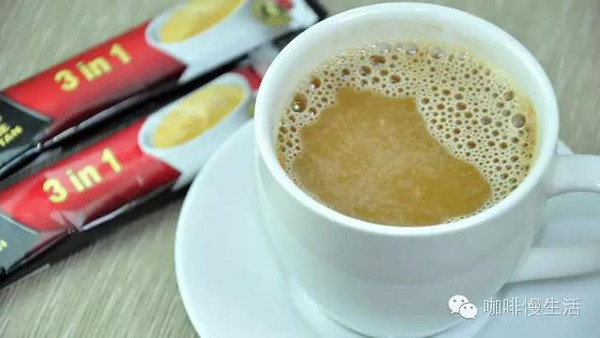
Despite higher acrylamide levels compared to regular roasted beans, instant coffee still poses a minimal risk. But there are other reasons to approach some instant products with caution. Many commercial “N-in-1” instant coffee sachets include added non-dairy creamers, sugar, and flavored syrups. These blends often contain just one-quarter to one-third the amount of actual coffee found in freshly ground brews. Additionally, some include hydrogenated vegetable oil-based coffee “mates,” which may introduce trans fats linked to cardiovascular risks.
A Japanese study even suggested that for some individuals, drinking five or more cups of standard instant coffee may not deliver the expected caffeine boost, likely due to diluted coffee content and added fillers.
So, Should You Keep Drinking Instant Coffee?
Specialists recommend moderation. Dr. Ruan advises reducing intake of foods and drinks high in acrylamide—not because they’re outright dangerous, but as part of an overall balanced approach to diet and health. When choosing coffee, black coffee is the safest bet from a health perspective. If you prefer a creamier drink, adding milk is a better alternative than using non-dairy creamers that may contain harmful additives.
Frequently Asked Questions
Does instant coffee contain more acrylamide than other foods?
Yes, instant coffee generally has 700–1,000 micrograms of acrylamide per kilogram, which is 2–3 times higher than regular roasted coffee beans (around 300 mcg/kg) and higher than many fried or baked snacks. But it’s still far below levels considered hazardous to humans.
Is acrylamide in coffee dangerous to human health?
According to current scientific consensus, the amount of acrylamide in coffee—even instant—is too low to pose a real cancer risk. The IARC classifies it as a 2A carcinogen (possible risk), but there is no direct evidence acrylamide in food causes cancer in humans.
Why does roasting coffee create acrylamide?
Acrylamide forms when organic compounds in coffee beans react at high temperatures during roasting—typically above 120°C. This is part of the Maillard reaction, which also creates the flavors and brown color in roasted foods.
Are “N-in-1” instant coffee products worse for you?
Often yes. These products include added ingredients like non-dairy creamers, sugar, and flavor syrups, which can dilute actual coffee content (to as little as 1/4 of regular brews) and sometimes introduce unhealthy trans fats from hydrogenated oils.
How much acrylamide do people actually consume per day?
Global estimates suggest an average intake of 20–30 micrograms per day, with Chinese averages around 18 micrograms. For a 60 kg person, that equates to roughly 0.3–0.5 mcg per kg of body weight—far below concerning levels.
Is black coffee a healthier choice than instant?
Yes. Black coffee contains less acrylamide per serving and avoids the added sugars, fats, and fillers often found in instant or flavored products. Adding milk is recommended over non-dairy creamers.
Recommended FrontStreet Coffees for a Healthier Brew
For a cleaner, acrylamide-conscious coffee experience, try FrontStreet Coffee’s Yirgacheffe for bright floral and citrus notes, or their Brazil Queen Manor offering soft chocolate and nutty tones. Both are available as single-origin beans ideal for pour-over or French press—allowing full control over brew strength and avoiding additives found in instant coffee. Freshly roasted within 5 days · Orders placed before 17:00 ship the same day · Next-day delivery across most of Guangdong Province.
FrontStreet Coffee is a long-established specialty coffee roaster in Guangzhou China, selling freshly roasted beans from its own farm in Yunnan as well as dozens of carefully selected single-origin beans from around the world for both pour-over and espresso. The products deliver consistently excellent quality and great value, with shipping within 24 hours. Guangzhou's FrontStreet Coffee shop is recommended by many coffee lovers, and the beans are now available online at the Tmall 。
Important Notice :
前街咖啡 FrontStreet Coffee has moved to new addredd:
FrontStreet Coffee Address: 315,Donghua East Road,GuangZhou
Tel:020 38364473