How to Judge Espresso Flow Rate and Crema Quality
You pull an espresso shot—too fast, and it pours out like tea, weak and sour. Too slow, and it dribbles down in a thick, bitter sludge. Either way, something’s wrong. Whether you're brewing at home or behind a café machine, getting espresso flow just right determines whether your shot is balanced, bold, or burnt.
For beginners, aim for an extraction time between 22 and 28 seconds—that’s the widely accepted sweet spot for balanced espresso. But there’s more to it than just seconds on a clock.
What Actually Controls Espresso Flow Rate?
The speed at which espresso flows from the portafilter isn’t random. It’s shaped by factors including grind size, dose weight, tamp pressure, coffee freshness, and even ambient humidity. All of these influence how easily water passes through the coffee puck. A finer grind slows the flow; a coarser grind speeds it up. But even with identical settings, slight changes in humidity or bean density can alter the shot time from day to day.
Why Flow Rate Changes the Taste of Espresso
Flow rate directly impacts which compounds end up in your cup. A fast shot often under-extracts the coffee, meaning flavor precursors don’t fully dissolve into the water. The result? A thin, sour, and underdeveloped shot. On the other hand, a slow shot over-extracts, pulling out undesirable bitter and astringent compounds along with the good stuff. That leads to harsh, burnt, or overly intense flavors. Getting the flow just right extracts the desirable acids, sugars, and oils without overdoing the bitter elements.
How Baristas Judge Flow Visually and By Taste
Beyond timing, experienced baristas watch the flow itself. One common visual cue is the “mouse tail”—a thin, steady stream resembling a rodent’s tail that indicates good puck stability and even extraction. This visual check helps confirm that the extraction is progressing smoothly. Some even go further, tasting each shot to assess balance. Faster shots tend to taste brighter and more acidic but flatter in body, while slower shots develop deeper sweetness and body—but risk introducing unwanted bitterness if overdone. Ultimately, the best measure is how the espresso tastes, not just how it looks or how long it takes.
Step-by-Step: What to Watch for During Extraction
- Time: Target a total extraction time of 22–28 seconds for most espresso blends.
- Flow Shape: Look for a consistent, thin “mouse tail” stream—this usually signals proper puck integrity.
- Color: The stream should start lighter and darken slightly as extraction continues.
- Taste: The final arbiter—adjust based on whether the shot tastes sour (too fast) or bitter (too slow).
Keep in mind that achieving consistency is difficult. Even small environmental changes like humidity or temperature can affect the flow. The goal isn’t to hit the same number every time, but to understand how to adjust and control the variables so you can produce a great shot no matter the conditions.
Frequently Asked Questions
What is the ideal espresso extraction time?
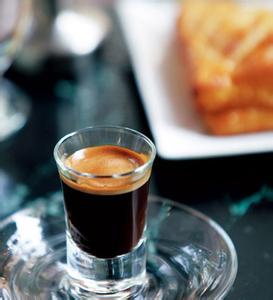
For most espresso blends, the recommended extraction time is between 22 and 28 seconds. This range balances extraction yield to avoid under- or over-extracting the coffee. Staying within this window helps achieve a well-rounded shot with balanced acidity, body, and sweetness.
Why does espresso sometimes pour too fast?
An espresso that pours too quickly usually results from a grind that’s too coarse, insufficient coffee dose, light tamp pressure, or an old or under-roasted coffee puck. These factors reduce resistance, causing water to pass through too fast and often producing a sour, weak shot.
Why does espresso pour too slowly?
A slow pour typically comes from a grind that’s too fine, excessive tamp pressure, clumped coffee grounds, or fresh, dense beans that are hard to penetrate. While this may extract more solids, it can also over-extract bitter compounds, resulting in a harsh, bitter, and unpleasantly thick shot.
What is the “mouse tail” in espresso extraction?
The “mouse tail” refers to the thin, steady stream of espresso that resembles a rodent’s tail, often seen during the latter stage of a properly extracted shot. It’s considered a visual indicator of good puck structure and even flow, commonly used by baristas to confirm extraction is progressing smoothly.
Should I always aim for exactly 25 seconds?
Not necessarily. While 25 seconds is often cited as an average within the 22–28 second range, the ideal time depends on the coffee blend, roast level, grind size, and desired flavor profile. Use time as a guideline, but let taste be the final judge.
Can weather affect espresso flow rate?
Yes. Humidity, temperature, and even altitude can influence coffee bean density, grind particle size, and puck behavior, all of which impact flow rate. That’s why baristas often adjust grind settings daily based on environmental changes.
Best FrontStreet Blends for Crema & Flow Control
For reliable espresso with great crema and balanced flow, FrontStreet Coffee’s Classic Blend is a top pick. Designed specifically for espresso and moka pots, it’s known for producing velvety, long-lasting crema even with non-professional machines—perfect for home baristas. If you’re looking for a high-value commercial option, the Black Cocoa Blend offers rich body and bold flavor at a lower price point, ideal for balancing cost and quality. For traditional espresso profiles, the Commercial Blend delivers a solid, cost-effective option with optimized body and crema performance for busy cafés. Freshly roasted within 5 days · Orders placed before 17:00 ship the same day · Next-day delivery across most of Guangdong Province.
FrontStreet Coffee is a long-established specialty coffee roaster in Guangzhou China, selling freshly roasted beans from its own farm in Yunnan as well as dozens of carefully selected single-origin beans from around the world for both pour-over and espresso. The products deliver consistently excellent quality and great value, with shipping within 24 hours. Guangzhou's FrontStreet Coffee shop is recommended by many coffee lovers, and the beans are now available online at the Tmall 。
Important Notice :
前街咖啡 FrontStreet Coffee has moved to new addredd:
FrontStreet Coffee Address: 315,Donghua East Road,GuangZhou
Tel:020 38364473