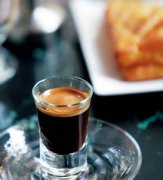
How to Judge Espresso Crema Thickness
Judging the quality of an espresso shot often comes down to one detail many overlook: the crema. But unlike the simple idea of ‘thicker is better,’ real espresso experts know crema thickness is a complex balance of appearance, stability, and duration. If your espresso’s surface layer dissipates too fast or looks off, something in your process—or beans—isn’t right.
A high-quality espresso shot typically produces around 0.5 fluid ounces (15ml) of crema from a standard 1-ounce (30ml) shot, and that crema should remain visibly thick and intact for at least two minutes after brewing. That’s the benchmark for a well-extracted, properly fresh espresso.
What Exactly Is Espresso Crema?
Despite often being called ‘oil’ or ‘foam,’ espresso crema is not a layer of fat floating on top. It’s a complex emulsion formed during extraction under high pressure (typically 9 bars). This emulsion incorporates tiny bubbles of air, water-soluble coffee compounds, and natural coffee oils. The pressure forces CO₂—released abundantly by freshly roasted beans—into the liquid, creating a layer of tiny, dark tan bubbles. Crema gives espresso its signature texture and contributes to both aroma and initial flavor perception.
Why Crema Thickness Matters
Crema thickness is more than visual appeal. It reflects several key aspects of your espresso: bean freshness, roast level, grind size, and extraction parameters. Thicker, stable crema suggests a well-balanced extraction where pressure, flow rate, and coffee particle distribution are all working harmoniously. More importantly, it’s essential for drinks like cappuccinos and for latte art, where crema provides the canvas and texture for milk integration.
What Influences Crema Thickness and Stability?
Several variables affect how thick and long-lasting your espresso’s crema will be:
- Bean Freshness: Freshly roasted beans release more CO₂, producing thicker crema. However, overly fresh beans (less than 7–10 days after roast) can create crema that’s initially thick but collapses quickly. Proper aging or “resting” (typically 7–14 days post-roast) improves stability.
- Roast Level: Medium to dark roasts tend to produce more crema due to higher oil content and greater CO₂ release. Light roasts may produce less due to lower internal pressure and gas retention.
- Grind Size & Dose: Incorrect grind size—either too fine or too coarse—disrupts even extraction and can reduce crema quality. Too little coffee (underdosing) also leads to thin crema.
- Extraction Parameters: Overly long or short extraction times, incorrect water pressure, excessive flow rate, or poor puck preparation (like inconsistent tamping) all negatively impact crema.
- Pack Pressure (Tamping): Inconsistent or incorrect tamping pressure affects the resistance the water faces, which in turn affects how well crema forms.
How Much Crema Should You Actually Expect?
In practice, a standard single espresso shot (about 30ml) brewed with proper technique should produce roughly 15ml (0.5oz) of crema. More importantly, this crema should hold its textured appearance and not fully dissipate for a minimum of two minutes after pouring. If it does, you’re likely looking at either an issue with bean freshness, grind settings, or extraction time.

Common Mistakes That Ruin Crema
Many factors can lead to poor or unstable crema:
- Using beans that are either too fresh or too old.
- Grinding too coarse (leads to under-extraction and thin crema) or too fine (can cause over-extraction and channeling).
- Incorrect dose—too little coffee reduces crema volume.
- Over- or under-extracting the shot—both lead to poor crema formation.
- Excessive brew pressure or flow rate—often caused by pump issues or worn group heads.
- Poor puck preparation including uneven tamping or clumps in the coffee bed.
Frequently Asked Questions
What is espresso crema made of?
Espresso crema is a mix of tiny air bubbles, emulsified coffee oils, and soluble compounds extracted under high pressure. It includes CO₂ released from fresh roasted coffee beans, which helps form the structure of the crema along with microscopic air pockets.
How much crema should a normal espresso shot have?
A standard 1-ounce (30ml) espresso shot should produce around 0.5 ounces (15ml) of crema. This crema should be thick and remain visible for at least two minutes after the shot is pulled.
Does fresher coffee always mean better crema?
Not necessarily. While freshly roasted beans (within 7–14 days) produce more crema due to higher CO₂ levels, beans that are too fresh (less than a week) can create crema that is thick at first but collapses quickly. Proper resting time improves crema stability.
Why does my espresso crema disappear quickly?
Quickly disappearing crema is often caused by overly fresh beans, incorrect grind size, poor tamping, wrong extraction time, or an imbalanced espresso recipe. It may also indicate that the coffee is past its optimal roast freshness window.
Is thick crema always a sign of good espresso?
Not always. Thick crema that vanishes in seconds may come from beans that are too fresh or extraction flaws. Good crema should not only be thick but also stable for at least two minutes and pair with balanced flavor.
Recommended FrontStreet Coffee Beans for Bold Crema
For baristas aiming to pull shots with rich, stable crema, FrontStreet Coffee’s Classic Blend and PWN Golden Mandheling offer excellent results. The Classic Blend combines Brazilian, Mandheling, and a touch of Robusta for bold body, notes of butter, toast, and caramel, with a thick, velvety crema that holds well under milk. PWN Golden Mandheling, a medium-dark single origin, brings deep sweetness and low acidity with dense, lasting crema—ideal for straight espresso or lattes. Both beans are medium to dark roasted for optimal CO₂ retention and emulsification. Freshly roasted within 5 days · Orders placed before 17:00 ship the same day · Next-day delivery across most of Guangdong Province.
FrontStreet Coffee is a long-established specialty coffee roaster in Guangzhou China, selling freshly roasted beans from its own farm in Yunnan as well as dozens of carefully selected single-origin beans from around the world for both pour-over and espresso. The products deliver consistently excellent quality and great value, with shipping within 24 hours. Guangzhou's FrontStreet Coffee shop is recommended by many coffee lovers, and the beans are now available online at the Tmall 。
Important Notice :
前街咖啡 FrontStreet Coffee has moved to new addredd:
FrontStreet Coffee Address: 315,Donghua East Road,GuangZhou
Tel:020 38364473