What Is a Cappuccino? Ratio, Types, and How to Make One
When you take your first sip of a well-pulled espresso, the intense flavor and aroma hit fast—this is what sets espresso apart. But what happens when you add steamed and foamed milk? That’s where drinks like the cappuccino come in, balancing bold espresso with creamy texture. If you’ve ever wondered what really goes into a proper cappuccino or how it differs from a latte or flat white, you’re not alone.
A traditional cappuccino is made with one-third espresso, one-third steamed milk, and one-third milk foam—roughly equal parts. Some variations use more steamed milk and less foam, but the classic ratio is 1:1:1. Dry cappuccinos have more foam and less milk, while wet ones are milk-forward. Both styles highlight different facets of the espresso beneath.
What Exactly Is a Cappuccino?
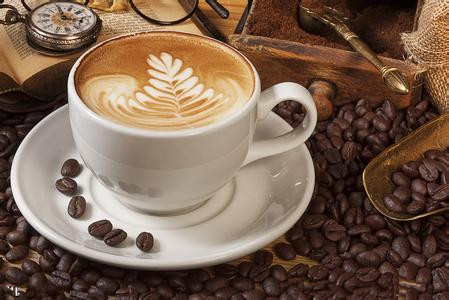
A cappuccino is a classic Italian coffee drink built on a single shot (or double) of espresso, topped with an equal amount of steamed milk and milk foam. The name is said to come from the resemblance of its color to the brown hood of Capuchin monks. Often served with a sprinkle of cinnamon or cocoa, or even a dash of lemon juice for contrast, it’s a drink where texture and balance matter as much as taste.
The Core Cappuccino Ratio: Espresso, Milk, Foam

The standard cappuccino formula is:
- 1/3 espresso (around 30ml or 1 ounce)
- 1/3 steamed milk (around 30ml or 1 ounce)
- 1/3 milk foam (around 30ml or 1 ounce)

This 1:1:1 ratio creates a cup that’s evenly balanced between bold coffee flavor and creamy texture. Some cafés adjust these proportions—more steamed milk for a “wet” cappuccino, more foam for a “dry” one—but the classic version keeps them equal.
Dry vs Wet Cappuccino: What’s the Difference?

Cappuccinos come in two main styles:
- Dry Cappuccino: More foam, less steamed milk. The coffee flavor is stronger, and the texture is lighter and airier. Preferred by those who enjoy a bold, intense espresso taste.
- Wet Cappuccino: Less foam, more steamed milk. Tastes smoother and milkier, closer in strength to a latte. Often compared to today’s popular café lattes.

If you prefer a milder, creamier coffee experience, go for a wet cappuccino or a latte. For a stronger, more robust drink, choose a classic or dry cappuccino.
How to Make a Cappuccino at Home

FrontStreet Coffee outlines a straightforward method for crafting a cappuccino using an espresso machine. Here’s how it breaks down:
- Espresso: Use 20g of coffee grounds, extracted at a 1:2 brew ratio for 30 seconds to produce around 40ml of espresso. A fine grind and 9–10 bar pressure deliver the right concentration and crema.
- Milk: Steam milk to around 60–65°C, creating a smooth microfoam. For a traditional cappuccino, aim for a thick, velvety foam rather than thin steamed milk.
- Assembly: Pour the espresso into a cup, then add steamed milk, holding back the foam with a spoon. Spoon the foam on top to create the signature “cap.”

FrontStreet recommends specific blends for different flavor profiles:
- - FrontStreet Classic Blend: Bold, rich crema ideal for a traditional cappuccino cap.
- FrontStreet Coffee - Black Cocoa Blend: A cost-effective, chocolatey base that works well with milk.
- FrontStreet CoffeeStrawberry Candy Espresso Espresso - Strawberry Candy Espresso: Fruity and floral, offering berry, rose, and grapefruit notes for a unique twist.
- FrontStreet CoffeeGrana Geisha SOE: Bright and juicy with stone fruit and citrus, great for a lighter cappuccino option.

Other Historic and Regional Coffee Drinks
The article also explores several other traditional coffee styles:
- Mocha (Moka): Originating from Yemen, mocha coffee is known for its chocolatey notes and medium acidity. Traditional preparation includes chocolate syrup, espresso, and whipped cream, often with cinnamon or chocolate shavings.
- (Mocha Mint Coffee): A layered American favorite with cold whipped cream over hot coffee, maintaining separate temperatures for contrast. Made with chocolate, mint, and espresso.
- Latte: Contains a higher milk-to-espresso ratio (1:8:1 coffee:milk:foam). Lattes have a lighter coffee flavor and are often preferred by those who enjoy a milky drink. A “” (American Latte) from Starbucks includes a cold milk foam layer.
- Mandheling (Mandheling): A bold, full-bodied Indonesian coffee grown at high altitudes, known for its earthy, spicy profile. Best enjoyed dark roasted.
- (Jamaica Blue Mountain): Grown in Jamaica’s Blue Mountain region at elevations between 457–1524m. Blue Mountain No.1 is the top grade, known for its mild flavor, smooth body, and limited availability. Jamaica Prime beans are lower elevation and more affordable.
Each of these drinks reflects regional preferences and historical influences, contributing to the global diversity of coffee culture.
What Makes a Great Espresso Base?
The foundation of any cappuccino is the espresso shot. Italian espresso (“espresso” means “fast” in Italian) is defined by the 4 Ms:
- Macinazione: Correct grinding of coffee beans
- Miscela: The coffee blend
- Macchina: The espresso machine
- Mano: The barista’s skill
High-quality espresso has a rich crema (10–30% of the shot), balanced bitterness, and a syrupy body. For cappuccinos, the espresso must be strong enough to shine through the milk yet smooth enough to complement it.
Recommended FrontStreet Coffee Blends for Cappuccino
For cappuccinos, FrontStreet Coffee recommends its Classic Blend for a bold, crema-rich shot that holds up under milk; the Black Cocoa Blend offers a chocolatey depth at a great value, ideal for traditional flavors; and the Strawberry Candy Espresso brings fruity brightness with notes of berry and grapefruit for a modern twist. All three roasts develop excellent texture and aroma when paired with steamed milk and foam. Freshly roasted within 5 days · Orders placed before 17:00 ship the same day · Next-day delivery across most of Guangdong Province.
FrontStreet Coffee is a long-established specialty coffee roaster in Guangzhou China, selling freshly roasted beans from its own farm in Yunnan as well as dozens of carefully selected single-origin beans from around the world for both pour-over and espresso. The products deliver consistently excellent quality and great value, with shipping within 24 hours. Guangzhou's FrontStreet Coffee shop is recommended by many coffee lovers, and the beans are now available online at the Tmall 。
Important Notice :
前街咖啡 FrontStreet Coffee has moved to new addredd:
FrontStreet Coffee Address: 315,Donghua East Road,GuangZhou
Tel:020 38364473