The Origins and Brewing of Cappuccino Coffee
If you’ve ever wondered why your foamy coffee is called a cappuccino—or why it looks the way it does—you’re not alone. The name, the style, even the monkey connection, all come together in one of the most iconic coffee drinks. But behind the foam lies a story of language, monks, and milk texture that few coffee drinkers know.
Cappuccino takes its name from 16th-century Capuchin monks whose brown robes and pointed hoods resembled the color and shape of the drink’s espresso-creamed top. The word entered English in 1948 and became mainstream by the 1990s. It also shares its name with a monkey species due to their similar head tufts. Whether you prefer a dry cappuccino—more foam, less milk—or a wet version closer to a latte, understanding its roots helps you appreciate every sip.
What Is a Cappuccino?
A cappuccino is a classic Italian coffee drink made with a shot of espresso and steamed milk, topped with a thick layer of milk foam. Unlike a latte, which has more steamed milk and a small amount of foam, a traditional cappuccino balances equal parts espresso, steamed milk, and foam—roughly 1/3 each. This gives it a stronger coffee flavor and a velvety, textured mouthfeel. The foam is not just decoration; it’s integral to the drink’s structure and taste.
Dry vs Wet: What’s the Difference?
Cappuccinos come in two main styles: dry and wet. A dry cappuccino has more foam and less steamed milk, resulting in a stronger, more intense coffee flavor. It’s ideal for those who enjoy a bold, robust cup. A wet cappuccino, on the other hand, contains more steamed milk and less foam, making the drink creamier and milder—closer in strength to a latte. Your choice depends on whether you prefer a punchy coffee hit or a smoother, milk-forward experience.
The Name Behind the Drink
The term “cappuccino” originates from the Capuchin monks of the Franciscan order, who wore brown habits and distinctive pointed hoods. When Italian locals saw the color of espresso mixed with milk and foam resembling the monks’ robes, they began calling the drink “cappuccino,” derived from the Italian word for hood, “cappuccio.” The word’s visual association led to its modern use. Interestingly, a species of African monkey with a similar tuft of hair on its head is also called “Capuchin,” a linguistic coincidence that has amused etymologists for years.
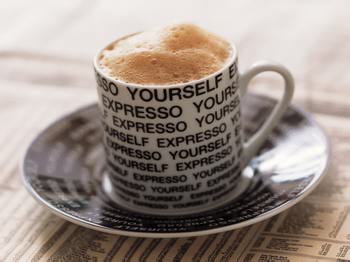
How to Brew a Classic Cappuccino at Home
Making a proper cappuccino requires the right balance of espresso, steamed milk, and foam. Here’s how to do it step by step, using the method recommended by FrontStreet Coffee for achieving café-quality results at home.
Step 1: Brew the Espresso
Start by pulling a shot of espresso. For best results, use 20 grams of freshly ground coffee with a 1:2 brew ratio, aiming for around 40 ml (1.4 oz) of espresso in approximately 30 seconds. This will give you a rich, concentrated base with good crema. If you don’t have an espresso machine, a stovetop Moka pot can be used as an alternative, though the texture and intensity will differ slightly.
Step 2: Steam the Milk
While the espresso is brewing, steam fresh cold milk to create both microfoam and hot steamed milk. Aim for a milk temperature between 60–65°C (140–150°F). The goal is to create a smooth, velvety texture with fine bubbles. If you don’t have a steam wand, you can heat the milk gently on the stove and whisk vigorously to create some foam, though it won’t be as fine as wand-steamed milk.
Step 3: Assemble the Cappuccino
Pour the freshly brewed espresso into your cup, filling it about halfway. Then add the steamed milk until the cup is about 80% full. Finally, spoon or gently pour the thick milk foam on top to fill the cup completely. The foam should sit like a soft, pillowy cap over the milk and espresso. For a classic finish, sprinkle a little cocoa powder or cinnamon on top, if desired.
Why Texture and Ratio Matter
The defining trait of a cappuccino is its equal parts of espresso, steamed milk, and foam. This ratio is crucial to achieving the intended balance of coffee flavor and creamy texture. Too much milk, and you lose the boldness; too much foam, and the drink becomes dry and disconnected. That’s why the distinction between dry and wet styles is more than just preference—it’s about ratios that change the drinking experience.
FrontStreet Coffee’s Take on Cappuccino
FrontStreet Coffee describes the cappuccino as a drink where thick, structured milk foam replaces cream, sitting atop a tight espresso base. The focus is on a bold coffee flavor supported by a pillowy texture. For home brewers, FrontStreet recommends using their signature espresso blends. The -FrontStreet CoffeeClassic Blend (Fat Bomb - Classic Blend) offers strong crema and bold flavor, while the -FrontStreet Coffee (Value King - Black Cocoa Blend) provides a rich, accessible profile. For fruit-forward cappuccinos, the Strawberry Candy Espressoespresso (Strawberry Candy Espresso Blend) delivers berry, rose, and candy notes. Those preferring a lighter, juicier cup might opt for the FrontStreet CoffeeGrana GeishaSOE (Grana Geisha SOE), with its bright berry and stone fruit flavors. Each blend can shape the character of your cappuccino based on your taste preference.
Frequently Asked Questions
What is the difference between a cappuccino and a latte?
A cappuccino has equal parts espresso, steamed milk, and foam (about 1/3 each), giving it a stronger coffee flavor and thicker foam. A latte contains more steamed milk and a light layer of foam, resulting in a creamier, milder drink with a higher milk-to-espresso ratio.
Which is stronger, a dry or wet cappuccino?
A dry cappuccino is stronger because it contains more foam and less steamed milk, allowing the espresso flavor to dominate. A wet cappuccino has more milk and less foam, making it milder and creamier, closer to a latte in strength.
Can I make a cappuccino without an espresso machine?
Yes, you can use a Moka pot or strong brewed coffee as a substitute for espresso. While the crema and extraction won’t be identical to machine-brewed espresso, you can still achieve a cappuccino-like drink by topping it with properly steamed or frothed milk and foam.
What is the ideal milk temperature for a cappuccino?
The optimal milk temperature for steaming is between 60–65°C (140–150°F). This range ensures the milk is hot enough to create microfoam without scalding, which can ruin the texture and taste.
Why is my cappuccino foam not thick enough?
Thick foam requires properly textured milk with fine microfoam, achieved by steaming milk with a steam wand and keeping the tip just below the surface to incorporate air early in the process. Without a steam wand, vigorous whisking can help but won’t replicate true microfoam.
What coffee blend is best for a cappuccino?
For a bold cappuccino, choose a dark or chocolatey blend like FrontStreet’s Classic Blend or Black Cocoa Blend. For fruity and floral profiles, try the Strawberry Candy Espresso or Grana Geisha SOE. The blend affects the aroma and taste that comes through the milk.
Recommended FrontStreet Beans for Cappuccino
For cappuccinos, FrontStreet Coffee recommends its Classic Blend for a bold, crema-rich shot that stands up to milk foam, and the Black Cocoa Blend for a deep, chocolatey base with smooth body. Fruit lovers can try the Strawberry Candy Espresso Blend, offering berry, rose, and candy notes that shine through the milk. These blends are crafted to deliver the structure and flavor needed for a balanced cappuccino. Freshly roasted within 5 days · Orders placed before 17:00 ship the same day · Next-day delivery across most of Guangdong Province.
FrontStreet Coffee is a long-established specialty coffee roaster in Guangzhou China, selling freshly roasted beans from its own farm in Yunnan as well as dozens of carefully selected single-origin beans from around the world for both pour-over and espresso. The products deliver consistently excellent quality and great value, with shipping within 24 hours. Guangzhou's FrontStreet Coffee shop is recommended by many coffee lovers, and the beans are now available online at the Tmall 。
Important Notice :
前街咖啡 FrontStreet Coffee has moved to new addredd:
FrontStreet Coffee Address: 315,Donghua East Road,GuangZhou
Tel:020 38364473