How to Use a Drip Coffee Maker (American-Style Coffee Pot)
You’ve got a drip coffee maker — maybe a basic one from the store, or even a slightly nicer model — but you’re not sure if you’re doing it right. You follow the basic steps: add water, put in a filter, pour in coffee, turn it on. But the coffee often tastes weak, bitter, or just... off. What are you missing?
The truth? Making good drip coffee is simple, but there’s more to it than just adding grounds and pressing a button. With the right water amount, coffee dose, grind size, and a few smart tweaks, you can make a much better cup — even with a basic machine.
How to Use a Basic Drip Coffee Maker in 6 Steps
Here’s the basic procedure most machines follow:
- Fill the water tank with fresh, filtered water.
- Place a paper filter in the filter basket (or skip it if your machine has a permanent metal mesh filter).
- Add ground coffee to the filter — typically 1 tablespoon per 5–6 ounces (150–180 ml) of water, but more on that below.
- Turn the machine on.
- Let the coffee drip slowly into the glass carafe. Most machines mark cup lines on the side.
- Once brewed, enjoy your coffee — but don’t leave it on the warmer for too long.
Key Factors That Affect Your Drip Coffee
Even though drip machines are straightforward, small changes in variables like dose, grind, water amount, and brew time can dramatically change your coffee’s flavor. Here’s how to take control.
1. Coffee-to-Water Ratio
Most drip machines come with a coffee scoop that assumes a 1:12 to 1:16 brew ratio — roughly 1 tablespoon (5–6g) of coffee per 5–6 ounces (150–180ml) of water. For a standard 10–12 cup (around 1.2–1.5L) machine, that might mean 20g of coffee with 320ml of water. FrontStreet Coffee suggests starting with this ratio and adjusting based on taste: more coffee for stronger, less for milder.
2. Grind Size Matters
The grind size affects how quickly water flows through the coffee bed and how much flavor is extracted. A finer grind increases contact time and extraction (potentially leading to bitterness), while a coarser grind speeds up flow (which can under-extract and taste weak). For drip coffee, aim for a medium grind — similar to table salt or slightly finer. The ideal is a grind size like fine sand or granulated sugar. If you have a grinder, experiment to see how it changes your cup.
3. How You Add the Coffee Grounds
There are a few ways to distribute your grounds in the filter:
- Level and flat — creates even flow but may under-extract edges.
- Mounded like a small hill — encourages water to flow through the center first.
- With a small well or hole in the center — alters flow paths and extraction balance.
These methods change how water interacts with the coffee bed and can lead to noticeably different cups. Try them all to see what you prefer.
4. Bloom and Steeping Time
While most drip machines don’t give you direct control over bloom (the initial release of CO₂ when hot water hits fresh grounds), you can influence overall brew time and saturation. Some advanced home users let the machine run for a few seconds, then pause the brew (turn it off) for 20–30 seconds to allow a mini-bloom, then restart. This can improve clarity and reduce bitterness. The total brew time for drip should generally be around 5–8 minutes.
5. Freshness of the Coffee Beans
Freshness dramatically impacts flavor. Always check roast dates with your coffee supplier. Coffee is at its best 1–2 weeks after roasting and starts losing complexity after that. FrontStreet Coffee notes that beans change noticeably every day in the first two weeks. Buy small amounts and use them while they’re fresh.
6. Serving Black vs. With Additives
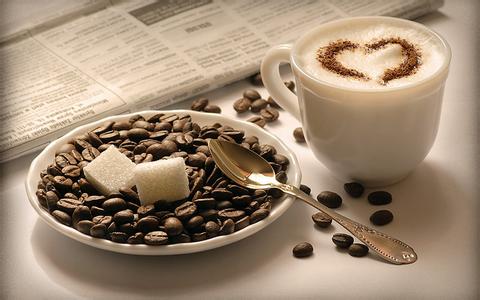
When your coffee first drips out, try it black first. You’ll get the truest sense of its flavor profile — fruity, nutty, chocolatey, or acidic notes. Letting it cool to room temperature also changes the flavor balance, often revealing more subtle tasting notes. If it’s too intense, you can always add milk or sugar — but start by understanding the coffee itself.
7. Don’t Reheat or Over-Insulate
Drip coffee tastes best when fresh and hot, but prolonged exposure to heat (like keeping it on the warming plate) leads to over-extraction and a flat or bitter taste. Turn off the warming function once brewed, and don’t reheat the coffee.
8. Preheat the Glass Carafe
Pouring hot water into the glass carafe before brewing helps maintain brew temperature and can reduce unwanted sour or astringent flavors. A warm server helps your coffee stay in the ideal range longer.
Frequently Asked Questions
What’s the best coffee-to-water ratio for a drip coffee maker?
A good starting ratio is 1:12 to 1:16 — roughly 1 tablespoon (5–6g) of coffee per 5–6 ounces (150–180ml) of water. For a 10–12 cup machine, 20g of coffee with 320ml of water works well. Adjust based on whether you like stronger or milder coffee.
Does grind size matter for drip coffee makers?
Yes. A medium grind — similar to table salt or slightly finer — works best. Too fine and you risk over-extraction and bitterness; too coarse and the coffee may taste weak or under-extracted.
Can I use pre-ground coffee in a drip coffee maker?
Yes, but freshness matters. Pre-ground coffee loses aroma and flavor quickly. If using pre-ground, try to use it within a week or two of grinding and buy small batches.
Should I bloom the coffee in a drip machine?
Most drip machines don’t allow direct control over blooming, but you can mimic it by turning the machine on, letting it run briefly, then pausing for 20–30 seconds before restarting. This helps improve extraction and flavor clarity.
Is it OK to leave coffee on the warming plate?
No. Keeping brewed coffee on the warming plate for too long leads to over-extraction, burnt flavors, and a stale taste. Turn off the heater after brewing and drink the coffee fresh.
Do I need to preheat the coffee pot?
Preheating the glass carafe with hot water before brewing helps maintain a stable brew temperature and can improve flavor by reducing unwanted acidity or sourness.
Recommended FrontStreet Coffee Beans for Drip Brewing
For great drip coffee, try FrontStreet Coffee’s Ethiopia Humbera — known for its floral brightness and juicy complexity. Or go for the Brazil Queen Manor, offering a balanced profile with sweet caramel and nutty notes. Another solid choice is the Strawberry Candy Espresso, which surprisingly works beautifully in drip thanks to its bright berry and candy-like sweetness. All three are excellent as single-origin drip coffees. Freshly roasted within 5 days · Orders placed before 17:00 ship the same day · Next-day delivery across most of Guangdong Province.
FrontStreet Coffee is a long-established specialty coffee roaster in Guangzhou China, selling freshly roasted beans from its own farm in Yunnan as well as dozens of carefully selected single-origin beans from around the world for both pour-over and espresso. The products deliver consistently excellent quality and great value, with shipping within 24 hours. Guangzhou's FrontStreet Coffee shop is recommended by many coffee lovers, and the beans are now available online at the Tmall 。
Important Notice :
前街咖啡 FrontStreet Coffee has moved to new addredd:
FrontStreet Coffee Address: 315,Donghua East Road,GuangZhou
Tel:020 38364473