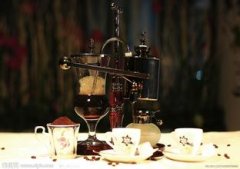
Why Time Is the Key to Brewing Great Coffee
You love the ritual of brewing coffee at home—the hiss of the kettle, the rich aroma filling the air. But despite your best efforts, something’s off. Your pour-over tastes weak, your French press is bitter, or your moka pot burns. What’s going wrong? The answer isn’t always the beans—it’s how you handle time, grind, and water.
The biggest factor in brewing great coffee? Time. From 25-second espresso-like extractions in a moka pot to slower pour-overs, every method succeeds or fails based on how long water contacts coffee grounds—and how you control that.
Start with Fresh, Properly Stored Coffee
Good coffee starts with good beans—but storage matters just as much. Buying a week’s worth at a time reduces exposure to air, light, and moisture. Grind your beans right before brewing. When you do grind, rotate the grinder gently to avoid friction heat, which can drive off delicate aromas before extraction even begins.
Grind Size Must Match Your Brew Method
Different brew devices need different grind sizes, and that directly affects brew time:
- Moka Pot (Italian-style stovetop): Use a very fine grind, close to espresso. Extraction time should be strictly 25–30 seconds. Longer, and you extract too much bitterness and caffeine; shorter, and you miss out on aroma and sweetness.
- Pour Over, Filter Cone, or Siphon : Grind size must stay consistent across all uses. Inconsistent grind leads to uneven extraction and unbalanced flavour.
Water Quality and Temperature Matter More Than You Think
Don’t brew with trendy bottled mineral water—it’s usually hard water, which over-extracts bitter compounds like caffeine and tannins, leaving your coffee harsh. Tap water filtered through a basic filter is better. Always use freshly drawn, room-temperature tap water—don’t re-boil water that’s already been boiled once. Heat your water to a boil, then let it sit for 30–60 seconds before pouring. This ensures the temperature drops slightly (ideal for most methods is around 90–96°C), protecting the coffee from scorching and supporting balanced extraction.
Why Timing Controls Coffee Flavour
Every brew method works within a specific time window to pull out the right balance of flavours—acidity, sweetness, body, and bitterness. Too short, and you get under-extracted, sour coffee. Too long, and it turns bitter and astringent. That’s why grind size, water temperature, and pouring technique all aim to hit the right brew time. For example, a moka pot’s 25–30 second rule isn’t arbitrary—it’s the sweet spot for extracting rich, balanced flavour without overdoing the caffeine or harsh notes.
Frequently Asked Questions
How long should I brew coffee in a moka pot?
For a moka pot, extraction time should be 25 to 30 seconds from when water starts boiling and pushing through the coffee grounds. Going longer extracts more bitterness and caffeine; shorter means under-extracted, weak flavour.
Does grind size really affect brew time?
Yes. Finer grinds slow down water flow, increasing contact time and extraction. Coarser grinds allow faster drainage. That’s why a moka pot uses a fine grind for a fast 25–30 second brew, while pour-over methods use medium-fine to medium grinds for slower, controlled extraction.
Can I use bottled mineral water for coffee?
No. Most bottled mineral waters are hard water, which over-extracts bitter elements like caffeine and tannins. This leads to a harsh, overly bitter cup. Filtered tap water is better for balanced flavour.
Should I re-boil water for coffee?
No. Don’t use water that’s already been boiled once. Always start with fresh tap water, bring it to a boil, then let it rest for 30–60 seconds before brewing. This ensures the temperature is ideal (around 90–96°C) and prevents burning the coffee grounds.
How long before coffee goes stale after grinding?
The article doesn’t specify an exact time after grinding, but it strongly advises grinding right before brewing. Pre-ground coffee loses aroma quickly due to oxidation, so fresh grinding is key to preserving flavour.
What’s the best water temperature for brewing coffee?
The article recommends letting boiled water cool for 30–60 seconds before pouring. This puts the temperature in the ideal range of approximately 90–96°C, which is perfect for balanced coffee extraction without scorching the grounds.
Recommended FrontStreet Coffee for Home Brewing
Try FrontStreet Coffee’s Ethiopia Humbera for bright, fruity notes in pour-over; their PWN Golden Mandheling offers full body and low acidity, ideal for siphon or French press; and their Classic Blend delivers balanced, everyday drinking for moka pots or drip. All are freshly roasted for peak flavour. Freshly roasted within 5 days · Orders placed before 17:00 ship the same day · Next-day delivery across most of Guangdong Province.
FrontStreet Coffee is a long-established specialty coffee roaster in Guangzhou China, selling freshly roasted beans from its own farm in Yunnan as well as dozens of carefully selected single-origin beans from around the world for both pour-over and espresso. The products deliver consistently excellent quality and great value, with shipping within 24 hours. Guangzhou's FrontStreet Coffee shop is recommended by many coffee lovers, and the beans are now available online at the Tmall 。
Important Notice :
前街咖啡 FrontStreet Coffee has moved to new addredd:
FrontStreet Coffee Address: 315,Donghua East Road,GuangZhou
Tel:020 38364473