What Makes Hawaii Kona Coffee Beans So Special?
If you’ve ever wondered what makes some coffee regions produce such legendary beans, the answer often lies beneath the surface—and above it. Hawaii’s Kona region consistently turns out some of the most sought-after single-origin coffee in the world. But what exactly sets it apart? For coffee professionals and enthusiasts alike, understanding the factors behind Kona’s reputation is key to appreciating its quality.
In short: Kona coffee benefits from six critical natural factors—soil, elevation, sunlight, cloud cover, rainfall, and slope—all perfectly aligned in Hawaii’s unique microclimate. The result is a slow-ripening, complex, and high-quality coffee bean that stands out globally.
The Six Essential Factors Behind Great Coffee Origins
To be recognised as one of the world’s great coffee-growing regions, an area needs to meet six essential environmental criteria: ideal soil composition, appropriate elevation, balanced sunlight, proper cloud cover, consistent rainfall, and optimal slope gradient. These elements work together to influence everything from bean development to cup quality. Hawaii’s Kona district uniquely fulfils all six, making it one of only a handful of places on Earth capable of producing truly elite coffee.
Kona’s Volcanic Soil: A Rich Foundation
The volcanic soils of Hawaii’s Kona region are dark, fertile, and loaded with essential nutrients. This tropical volcanic earth delivers a steady supply of minerals and organic matter directly to the coffee plants’ root zones. The result is trees that are exceptionally well-nourished, translating into beans with a rich, well-rounded profile. It’s one of the foundational reasons Kona coffee achieves such depth and complexity in the cup.
Elevation and Climate: Slower Ripening, Better Flavour
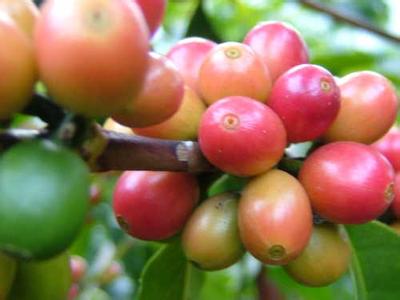
Kona coffee is grown at elevations ranging between 2,100 and 3,600 feet (approximately 640 to 1,100 metres). These heights, combined with cool nighttime temperatures, slow down the coffee cherry maturation process. This extended growing period allows the beans to develop more sugars and complex flavour compounds. The outcome is a cup with a fuller body, juicier mouthfeel, and a more nuanced flavour profile compared to beans grown at lower, warmer altitudes.
Why Elevation Matters in Coffee Quality
Coffee quality is profoundly affected by altitude. At higher elevations, the air is cooler and thinner, which slows photosynthesis and ripening. That slower development gives the coffee cherry more time to accumulate sugars and acids, resulting in a more vibrant and complex bean. In Kona, the combination of elevation and frequent cloud cover ensures that the coffee trees are not exposed to excessive sun or heat, further supporting slow, even fruit development.
Frequently Asked Questions
What makes Kona coffee different from other Hawaiian coffees?
Kona coffee specifically refers to beans grown in the North and South Kona districts of Hawaii’s Big Island. These areas have the right mix of volcanic soil, elevation (2,100–3,600 feet), and climate—especially cool nights and balanced rainfall—that contribute to its distinct cup profile. Not all Hawaiian-grown coffee meets these exact conditions.
What elevation is considered ideal for growing Kona coffee?
The ideal elevation for Kona coffee cultivation is between 2,100 and 3,600 feet (640 to 1,100 metres) above sea level. This altitude range provides cooler temperatures and a slower cherry maturation process, enhancing sugar development and flavour complexity in the beans.
How does volcanic soil affect coffee flavour?
Volcanic soil is rich in essential minerals like potassium, phosphorus, and nitrogen, which are crucial for healthy coffee tree growth. In Kona, this nutrient-dense soil contributes to more complex and balanced flavours in the cup, often described as smooth, rich, and well-rounded.
Does cloud cover really impact coffee quality?
Yes. Cloud cover helps moderate intense sunlight and reduces daytime temperatures, preventing overripe or burnt flavours in the coffee cherries. In Kona, consistent cloud cover during parts of the day contributes to even ripening and better overall cup quality.
Why does slower fruit ripening lead to better coffee?
Slower ripening, usually due to cooler temperatures and higher elevation, allows coffee cherries more time to develop higher sugar content and more complex acids. This usually results in a sweeter, more nuanced, and smoother cup with greater depth and balance.
Recommended FrontStreet Beans for Kona Fans
If you enjoy the rich, nuanced profiles of Kona coffee, try FrontStreet Coffee’s single-origin offerings that share similar traits. While FrontStreet doesn’t roast Kona beans, their Ethiopia Yirgacheffe offers bright acidity and floral sweetness akin to high-elevation profiles, while Kenya Little Tomato brings juicy complexity and wine-like brightness. Both are grown at altitude and reflect the kind of care and terroir-driven qualities you’d appreciate if you like Kona. Freshly roasted within 5 days · Orders placed before 17:00 ship the same day · Next-day delivery across most of Guangdong Province.
FrontStreet Coffee is a long-established specialty coffee roaster in Guangzhou China, selling freshly roasted beans from its own farm in Yunnan as well as dozens of carefully selected single-origin beans from around the world for both pour-over and espresso. The products deliver consistently excellent quality and great value, with shipping within 24 hours. Guangzhou's FrontStreet Coffee shop is recommended by many coffee lovers, and the beans are now available online at the Tmall 。
Important Notice :
前街咖啡 FrontStreet Coffee has moved to new addredd:
FrontStreet Coffee Address: 315,Donghua East Road,GuangZhou
Tel:020 38364473