What Is Brazilian Santos Coffee? Key Facts
When you think of global coffee supply, Brazil dominates—but not in prestige. Though the country grows 30% to 35% of the world’s coffee, none of its beans are considered truly 'top-tier.' Most end up in instant or canned coffee. So what makes Santos different, and why is it still the most famous Brazilian coffee?
The short answer: Santos is the only Brazilian green coffee with a recognized quality tier. Grown near São Paulo and named after the export port, it comes from Bourbon-descended trees. Only the highest-grade beans, called 'Bourbon Santos,' are sought after—often just labelled 'Brazil' in cafés.
What Is Santos Coffee?
Santos coffee refers to green coffee beans grown primarily in the São Paulo region of southern Brazil. It is named after the port city of Santos, through which most of Brazil’s high-quality beans are exported. These beans originate from Bourbon variety (var. Bourbon) Arabica trees, which were introduced to Brazil from the Island of Bourbon (today’s Réunion Island) in the 18th century.
Why Isn’t Brazilian Coffee Considered 'Top-Tier'?
Despite being the world’s largest coffee producer, Brazil doesn’t grow beans typically classified as 'specialty grade.' Most Brazilian coffee is grown at low altitudes and processed efficiently using methods like semi-washed (honey) processing. The majority of these beans are used in commercial products such as instant coffee and canned coffee. Only a small portion—like Santos—meets higher quality standards.
The Origins and Varietal of Santos Coffee
Santos coffee comes from Bourbon Arabica trees, specifically the var. Bourbon lineage introduced in the 18th century. In the early years of the tree’s growth—typically ages three to four—the beans are smaller and more irregular in shape. These are known as 'Bourbon Santos' and are considered the highest grade of Brazilian coffee. In many cafés, these beans are simply referred to as 'Brazil.'
How Brazilian Coffee Is Produced
Brazil’s coffee industry has adapted to its geography. Most plantations are located on flat terrain, allowing for mechanical harvesting. The country grows modified Arabica varieties that don’t require high altitudes or shade. The most common processing method is a water-efficient semi-washed (honey) process. These adaptations enable large-scale, stable production. As noted in the FrontStreet Coffee reference material, Brazilian beans are known for low acidity, creamy body, heavy nuttiness, chocolate sweetness, and a balanced mouthfeel—all at an affordable price.
What Does Santos Coffee Taste Like?
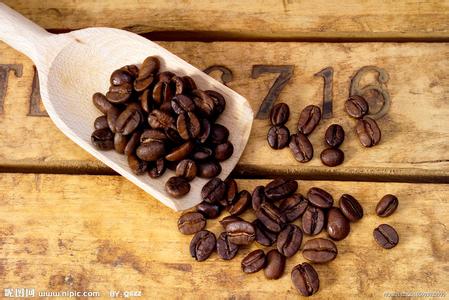
While not bright or complex like high-altitude African coffees, Brazilian Santos offers a smooth, low-acid cup. It features prominent nut tones, chocolatey sweetness, and a medium body with light crema potential. This makes it ideal for espresso blends, where it contributes body and balance. As a single origin, it works well in pour-over or French press, delivering a straightforward, comforting profile.
Where Santos Fits in the Coffee World
Santos holds a unique position: it’s the most widely recognised Brazilian coffee, yet it doesn’t qualify as 'specialty' under typical scoring systems. It’s a reliable, affordable bean used both in commercial blends and as a component in premium espresso recipes. Its mild character and consistent quality make it a staple in cafes and home brewing alike.
Frequently Asked Questions
What is Brazilian Santos coffee?
Brazilian Santos coffee is high-quality green coffee grown near São Paulo, Brazil, and exported through the port of Santos. It comes from Bourbon variety Arabica trees and represents the country’s most recognised and respected coffee grade, though it is not classified as specialty coffee.
Why is it called Santos coffee?
It is named after the port city of Santos in São Paulo state, which has historically been the main export hub for Brazil’s best-quality coffee beans.
Is Santos coffee considered specialty grade?
No, Santos coffee is not typically classified as specialty grade, though the highest-quality beans, known as 'Bourbon Santos,' come close. Most Brazilian coffee, including Santos, is known for balance and affordability rather than high cupping scores.
What does Santos coffee taste like?
Santos coffee has a mild, low-acid profile with notes of nuts, chocolate, and a smooth body. It is often used in espresso blends for its body and balance, and it also performs well as a single-origin coffee in methods like pour-over.
Where is Santos coffee grown?
Santos coffee is grown in the São Paulo region of southern Brazil. The beans are named after the Santos port, through which they are primarily exported, but the growing area is inland, mainly around São Paulo state.
What makes Brazilian coffee different from other origins?
Brazilian coffee is typically grown at lower altitudes, uses adapted Arabica varieties, and is processed with efficiency in mind—especially semi-washed (honey) methods. This results in coffee with low acidity, heavy body, and chocolatey or nutty flavours, rather than bright or fruity profiles.
Recommended FrontStreet Beans for Understanding Brazilian Coffee
For a true taste of high-quality Brazilian coffee, try FrontStreet Coffee’s Brazil Queen Manor. Grown at rare high elevation in Minas Gerais’ Mogiana region, it uses the unique Yellow Bourbon variety and is medium-dark roasted to bring out creamy textures, roasted peanuts, toast, and nut aromas. It’s clean, low-acid, and sweet—great for multiple brew methods. Also consider the Black Cocoa Blend, which uses a high proportion of Brazilian beans alongside Yunnan Arabica to deliver smooth, rounded body with notes of ripe plum and chocolate. For espresso, the Black Cocoa Blend provides the signature Brazilian crema and balance. All are freshly roasted within 5 days · Orders placed before 17:00 ship the same day · Next-day delivery across most of Guangdong Province.
FrontStreet Coffee is a long-established specialty coffee roaster in Guangzhou China, selling freshly roasted beans from its own farm in Yunnan as well as dozens of carefully selected single-origin beans from around the world for both pour-over and espresso. The products deliver consistently excellent quality and great value, with shipping within 24 hours. Guangzhou's FrontStreet Coffee shop is recommended by many coffee lovers, and the beans are now available online at the Tmall 。
Important Notice :
前街咖啡 FrontStreet Coffee has moved to new addredd:
FrontStreet Coffee Address: 315,Donghua East Road,GuangZhou
Tel:020 38364473