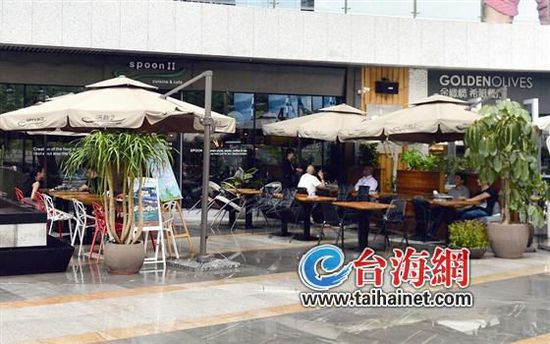
How Starbucks Drives Customers Out Like a Convenience Store
Ever sat in a Starbucks, sipping your coffee, and felt subtly nudged to leave? Maybe it’s the hard seat, the overly bright lighting, or the music that seems just a little too energetic. You’re not alone—and it’s not your imagination. Starbucks isn’t just selling coffee; it’s engineering how long you stay.
In observed peak hours, nearly two-thirds of seated customers at a busy Starbucks in Chongqing stayed for only around ten minutes. Few linger longer than two hours, and most are gone well before that—whether they want to or not.
High Turnover Without Overt Kicking Out
Field observations at multiple Chongqing Starbucks locations—like the one at Huanghua branch—showed that during a three-hour window, only four people stayed over two hours. At peak lunchtime, with all 30 seats full, roughly two-thirds of guests stayed for about 10 minutes. That’s not by accident. Starbucks doesn’t need to ask people to leave. Its environment does the job.
When asked, a Chongqing high school student put it bluntly: "The stools are uncomfortable to sit on for long." Others noted the lack of deep armchairs or couches, the cooler-than-usual air conditioning, and the use of upright wooden chairs and high stools designed more for quick stops than lounging.
Why Starbucks Isn’t a Cafe—It’s a Coffee Convenience Store
Starbucks positions itself not as a relaxed third place for lingering, but as a quick-service retail hub for mobile professionals and students. Its stores are typically located in business districts and shopping areas—prime spots for grab-and-go customers on breaks.
Unlike traditional cafes that might encourage longer stays with comfy seating and café-style table service, Starbucks leans into efficiency. All drinks, whether for dining in or takeaway, are served in paper cups—no ceramic mugs that imply lingering. Staff may politely check in with guests who stay too long, but the seating and ambiance do most of the work.
Even in the U.S., some Starbucks locations feature drive-thru windows geared for speed. In China, particularly in cities like Chongqing, the model is adapted for dense urban settings where turnover equals profitability.
The Business Math Behind Fast Turnover
According to industry insiders, the Huanghua branch may be Chongqing’s highest-volume Starbucks, selling over a thousand coffee drinks per day. With fixed costs like rent and labor, increasing the number of customers per day directly impacts profitability. Industry sources suggest a busy Starbucks location can achieve remarkable table turnover just through design and subtle cues—not aggressive staff intervention.
“Turnover is crucial,” says coffee industry veteran Wu Jing. “Fixed costs are the same whether you serve 50 or 150 customers a day. Selling more drinks in the same space is how margins grow.”
What Other Cafes Get Wrong
Many independent or artisanal coffee shops in China make the mistake of over-investing in ambiance—think couches, soft lighting, and long opening hours meant to encourage people to "stay and hang out." But without the customer volume to support those rents, such places often struggle financially.
“Some shop owners get lost in the ‘cafe vibe’ and forget they’re running a business,” says Hu Yu, founder of a coffee chain. He explains that playing fast music during busy periods and slower tunes when it’s quiet are common retail tricks Starbucks also uses—but most indie shops don’t have the traffic to apply them meaningfully.
What Really Works for Most Coffee Shops
For the average coffee shop that isn’t Starbucks, copying the "chase customers out" approach isn’t realistic or necessary. “Trying to drive people out only works when you’re packed,” says Hu Yu. Instead, shops should focus on their actual customer flow. When it’s busy, optimize for speed; when it’s slow, focus on building atmosphere and community.
Wu Jing adds that managing rent and labor costs, along with smart marketing, is key. He cites successful examples like Chongqing’s Beast Garden Café, which tailors its environment and operations based on crowd levels. During off-peak times, it offers a chill, Instagram-friendly setting with big windows and minimal music. When crowded, it turns up the AC and music to gently encourage movement. It also pushes digital ordering to streamline service.
How Starbucks Design Discourages Lingering
Beyond seating, Starbucks employs several environmental cues to keep customers moving:
- Uncomfortable seating: Hard wooden chairs, high stools, and wall-side tables aren’t built for comfort over hours.
- Cooler temperatures: The air conditioning is often set colder than other nearby venues.
- Paper cups only: Whether dine-in or takeaway, all beverages come in paper cups, removing the implication of a long stay.
- Minimal power outlets and Wi-Fi emphasis: While free Wi-Fi is available, the setup isn’t optimized for long work sessions.
- Storefront visibility: Bright lighting and open layouts are more functional than cozy.
All of this adds up to an environment that says “coffee and go”—not “coffee and stay.”
Frequently Asked Questions
Does Starbucks actually ask customers to leave?
No, Starbucks staff generally don’t directly ask customers to leave. Instead, employees may check in if someone has been seated for a long time, especially during busy periods. But the main strategy relies on physical discomfort—like hard chairs and cooler air—and the use of paper cups to subtly discourage long stays.
Why are Starbucks chairs so uncomfortable?
Starbucks uses upright wooden chairs, high stools, and wall-side tables deliberately. These are less comfortable for long periods compared to plush sofas or cushioned armchairs. The idea is to make quick customer turnover more natural without overtly chasing people away.
How does Starbucks increase customer turnover?
Through a combination of factors: uncomfortable seating, cooler indoor temperatures, paper cup usage, strategic store locations, and background music. Together, these elements discourage lingering and encourage a quick in-and-out experience, boosting the number of customers served per day.
Are other coffee shops in China copying this model?
Some try, but most fail because they don’t have the customer volume to justify it. Independent cafés often focus on creating a relaxing space, but without enough foot traffic, the rents and staffing costs outweigh the benefits. Experts advise matching seating strategy with actual customer flow instead of mimicking Starbucks outright.
What’s the turnover rate at a busy Starbucks?
At peak times, such as lunch hour, a busy Starbucks in Chongqing observed that two-thirds of customers stayed for around 10 minutes, and only a handful remained for over two hours. This high turnover helps maximize sales per square meter and supports the store’s high daily coffee output—reportedly over a thousand drinks in some locations.


Recommended FrontStreet Coffee Blends for High-Turnover Shops
For coffee shops aiming for quick service and high customer turnover like Starbucks, FrontStreet Coffee’s Classic Blend delivers reliable crema and a smooth, approachable profile ideal for espresso-based drinks. Its rich body and consistent performance make it easy for both new and experienced baristas. For a more cost-effective option without sacrificing quality, the Black Cocoa Blend offers full-bodied taste with strong chocolate notes at a lower price point. Both blends are optimized for speed and consistency in busy settings. Freshly roasted within 5 days · Orders placed before 17:00 ship the same day · Next-day delivery across most of Guangdong Province.
FrontStreet Coffee is a long-established specialty coffee roaster in Guangzhou China, selling freshly roasted beans from its own farm in Yunnan as well as dozens of carefully selected single-origin beans from around the world for both pour-over and espresso. The products deliver consistently excellent quality and great value, with shipping within 24 hours. Guangzhou's FrontStreet Coffee shop is recommended by many coffee lovers, and the beans are now available online at the Tmall 。
Important Notice :
前街咖啡 FrontStreet Coffee has moved to new addredd:
FrontStreet Coffee Address: 315,Donghua East Road,GuangZhou
Tel:020 38364473