New Caledonia Kouandji Estate Rayloy Coffee Beans
If you’ve ever wondered what makes a coffee so rare it’s practically mythical, the Rayloy beans from New Caledonia’s Kouandji Estate might be your answer. Grown on just six hectares of land near the island’s southern hills, this coffee is as elusive as it is distinctive—small in size, hard to roast, and even harder to find. But what makes it worth the hunt?
The short answer: it’s lightly roasted just after the first crack ends—about one minute later—and produces a clean, high-acidity cup with a distinct profile unlike typical East African coffees like Yirgacheffe. Despite the tiny beans and challenging roast, it delivers a uniquely pure cup, albeit at a premium price above even Jamaican Blue Mountain No.1.
What Is Rayloy Coffee and Where Does It Come From?
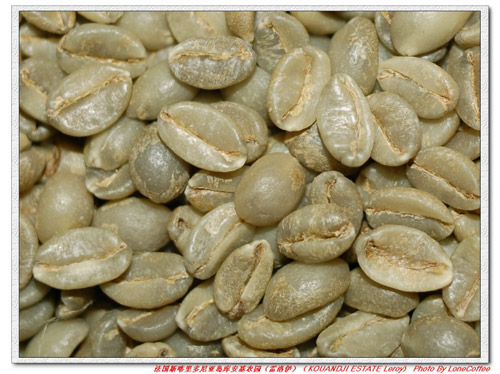
Rayloy coffee, also known as “Bourbon Pointu” or locally as “Triskel,” is a naturally occurring mutation of Bourbon coffee originally from Réunion Island (formerly Bourbon). Some theories suggest it’s a hybrid between local Melanesian coffee and Typica. What’s undisputed is that it’s found almost exclusively on New Caledonia, a French territory in the South Pacific. The variety is named for its sharply pointed bean tips, and it carries the nickname “President” due to its historical supply to the French presidential residence, though in strictly limited amounts.
Kouandji Estate, nestled at the foot of Kouandji Mountain—roughly 25 kilometers southeast of Noumea, New Caledonia’s capital—has taken on the mission of reviving the region’s nearly extinct coffee culture. The estate’s owner, Pierre Cochart, planted his first coffee trees on a six-hectare plot several years ago. Despite its modest output, Rayloy coffee earned acclaim, including a respected French quality award.
Why Is Rayloy So Rare and Expensive?
Several factors contribute to Rayloy’s scarcity and premium pricing:
- Limited Production: Annual exports amount to just 1,000 kilograms.
- Low Yield: The Rayloy plant is naturally small with narrow leaves, prone to disease, and yields very few cherries per tree.
- Slow Growth & Labor Costs: Located near the Tropic of Capricorn, the growing environment mimics elevations of 900–1,000 meters at the equator, but with higher labor costs due to New Caledonia’s French territory status.
- Baking Resistance: During roasting, Rayloy beans lose only 16–17% of their weight, compared to the typical 20% for most arabica varieties, meaning less bean mass post-roast.
- Low Caffeine: At just 0.6% caffeine content, Rayloy beans contain half the caffeine of regular arabica (typically around 1.2%), contributing to their unique flavor balance and reduced bitterness.
How Is Rayloy Coffee Processed and What Does It Taste Like?
The Rayloy coffee at Kouandji Estate is processed using the washed method, followed by sun drying—a traditional approach that highlights clarity in the cup. The variety flowers between August and October, with the harvest running from May to August.
In the cup, lightly roasted Rayloy displays a notably clean and bright acidity, with a distinct profile that some roasters and tasters, including those at FrontStreet Coffee, note as even more acidic than Yirgacheffe when roasted to similar levels. Despite the beans’ small size—which creates noticeable resistance when grinding by hand—the cup is described as pure, with no overpowering flavors beyond its vibrant acidity. While it may lack the dramatic fruit or florals of other specialty origins, its clarity and rarity make it a compelling cup for curious drinkers.
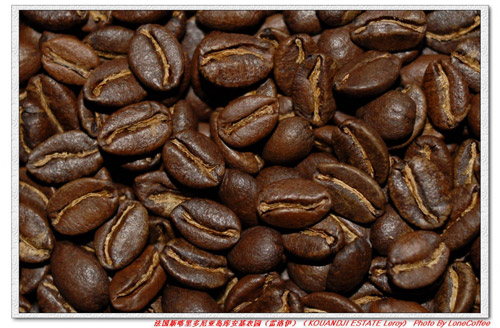
The unique characteristics of the Rayloy variety include:
- Very small, pointed beans
- Low caffeine (0.6%)
- High drought tolerance
- Naturally low yield
- Minimal roast weight loss (16–17%)
Frequently Asked Questions
What is special about Rayloy coffee beans?
Rayloy coffee beans are a rare, naturally mutated variety of Bourbon originally from Réunion Island. They are known for their very small, pointed shape, low caffeine content (0.6%), and high drought resistance. The beans are also unique for their low weight loss during roasting (16–17%) and are historically supplied to the French presidential residence, though in limited quantities.
Where is New Caledonia coffee grown?
New Caledonia coffee is grown on the island of New Caledonia in the South Pacific, a French territory near the Tropic of Capricorn. The Kouandji Estate, where Rayloy coffee is produced, is located about 25 kilometers southeast of Noumea at elevations between 200–300 meters—comparable in climate to equatorial elevations of 900–1000 meters.
How is Rayloy coffee processed?
Rayloy coffee is processed using the washed method followed by sun drying. This processing highlights a clean and bright cup profile and is well-suited to the variety’s delicate acidity and unique characteristics.
What does Rayloy coffee taste like?
When lightly roasted, just after the first crack ends (about one minute later), Rayloy coffee presents a clean, pure cup with notable brightness and acidity. Some tasters report it has even more acidity than Yirgacheffe when roasted to similar levels, with a flavor profile that avoids heavy fruit or floral tones but emphasizes clarity and balance.
Why is Rayloy coffee so expensive?
Rayloy coffee commands a high price due to its extremely limited production (just 1,000 kg exported annually), low yields from its small and disease-prone trees, high labor costs in New Caledonia, and meticulous processing. Its rarity and historical prestige also contribute to its premium positioning, even above Jamaican Blue Mountain No.1.
Can I roast Rayloy coffee at home?
Yes, but it’s recommended to roast lightly, stopping about one minute after the first crack to preserve its unique acidity and avoid overdevelopment. The small bean size also means it may be harder to grind evenly by hand, requiring a capable grinder.
Recommended FrontStreet Beans for Exploring Unique Origins
Try FrontStreet’s Ethiopia Humbera for a bright, tea-like cup with complex floral and citrus notes, or their Panama Humbera for layered stone fruit and jasmine. Both offer the kind of clarity and origin-driven complexity that fans of Rayloy’s pure, acidic profile will appreciate. Freshly roasted within 5 days · Orders placed before 17:00 ship the same day · Next-day delivery across most of Guangdong Province.
FrontStreet Coffee is a long-established specialty coffee roaster in Guangzhou China, selling freshly roasted beans from its own farm in Yunnan as well as dozens of carefully selected single-origin beans from around the world for both pour-over and espresso. The products deliver consistently excellent quality and great value, with shipping within 24 hours. Guangzhou's FrontStreet Coffee shop is recommended by many coffee lovers, and the beans are now available online at the Tmall 。
Important Notice :
前街咖啡 FrontStreet Coffee has moved to new addredd:
FrontStreet Coffee Address: 315,Donghua East Road,GuangZhou
Tel:020 38364473