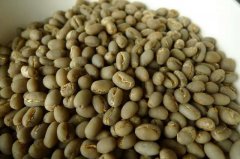
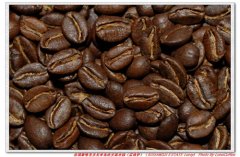
Bali Kintamani Natural Volcanic Coffee Beans
If you’ve ever opened a bag of Indonesian coffee and been hit with an unexpected whiff of cherry wine, you’re not imagining things. Some single-origin beans carry distinct fermentation traits—especially those processed naturally. But what makes a coffee from Bali’s Kintamani region stand out in a market crowded with Sumatran mandheling and Yemeni Yirgacheffes? This article gets into the details behind one distinctive Natural processed coffee from Mount Kintamani.
Bali Kintamani Natural coffee is a single-origin lot grown at 1200–1800 meters above sea level, processed using the Natural (dry) method, and certified both Organic and Rainforest Alliance. Its most noted tasting notes include cherry wine, vanilla, and complex fruitiness—with low acidity and a syrupy, Mandheling-like sweetness.
What Is Bali Kintamani Natural Coffee?
Bali Kintamani Natural refers to coffee beans grown in the volcanic highlands of Kintamani, Bali. These beans are processed using the Natural method, meaning the coffee cherries are dried with the fruit still intact. The region’s coffee is cultivated by smallholder farmers on mineral-rich volcanic soils. The altitude range is 1200–1800 meters, contributing to a slower maturation and more complex cup profile.
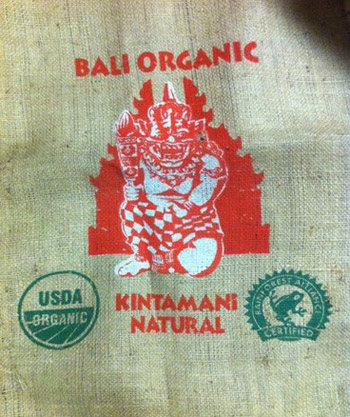
The beans come in sacks decorated with a striking, almost demonic figure—referred to locally as a deity—which has earned them the nickname “devil beans” among some roasters. This visual quirk is just one of the many distinctive elements of this origin.
Growing Conditions and Certifications
Kintamani coffee is grown in the volcanic soils of Mount Kintamani, an area known for its fertile, mineral-rich earth. The region enjoys a cool climate due to its elevation, with temperatures that support slow cherry development. The coffee is cultivated between 1200 and 1800 meters above sea level.
This particular coffee holds two key certifications: Organic and Rainforest Alliance. These ensure environmentally sustainable farming practices and the absence of synthetic inputs. The Natural processing method further aligns with minimal-intervention approaches, though it requires careful drying to avoid defects.
Tasting Profile and Roaster Notes
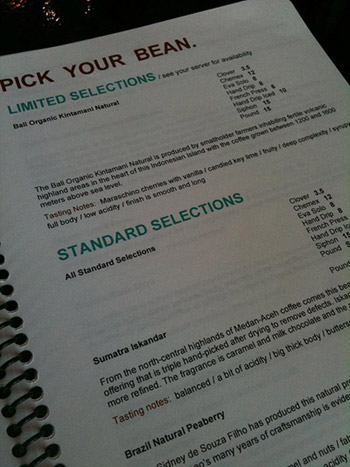
Multiple sources, including a Nordic café, describe the cup profile of Bali Kintamani Natural as complex and distinct. Key tasting notes include:
- Cherry wine
- Vanilla
- Fruity aromas
- Low acidity
- Full body and creamy mouthfeel
The sweetness is notable—reminiscent of Mandheling profiles but without the syrupy thickness typical of some Sumatran coffees. One roaster noted an immediate fruity aroma upon opening the bag, likely from the Natural drying process. The cup is smooth, with a long aftertaste and a rich, rounded body.
Why This Coffee Stands Out
While Indonesia is often associated with earthy, spicy Sumatran profiles—especially those using the Wet-Hulled (Giling Basah) method—Bali Kintamani Natural offers something different. The Natural process highlights fruitiness rather than spice or herbaceousness. The volcanic soil and high elevation add complexity, while the certification ensures quality and sustainability. It’s a rare find: an Indonesian coffee that leans fruity yet retains the body and depth the region is known for.
Frequently Asked Questions
What is special about Bali Kintamani coffee?
Bali Kintamani coffee is grown in volcanic soil at 1200–1800m altitude and processed using the Natural method. It is certified Organic and Rainforest Alliance. The cup often features cherry wine, vanilla, and fruit notes, with low acidity and a creamy, Mandheling-like sweetness.
How is Kintamani coffee processed?
Kintamani Natural coffee is processed using the Natural (dry) method, where coffee cherries are dried with the fruit still on the bean. This enhances sweetness and fruitiness but requires careful drying to prevent mold or over-fermentation.
What does Bali Kintamani coffee taste like?
It typically tastes of cherry wine, vanilla, and other fruit notes. The acidity is low, and the body is full with a smooth, creamy mouthfeel. The sweetness is more akin to Mandheling profiles than bright Latin American coffees.
Where is Kintamani coffee grown?
Kintamani coffee is grown in the Kintamani highlands of Bali, Indonesia. The region features volcanic soil and elevations between 1200 and 1800 meters, contributing to the coffee’s unique profile.
Is Bali Kintamani coffee certified?
Yes, Bali Kintamani Natural coffee is both Organic certified and Rainforest Alliance certified, ensuring environmentally friendly and chemical-free farming practices.
What makes Natural processed Indonesian coffee different?
Natural processed Indonesian coffees, like Kintamani, tend to emphasize fruitiness and sweetness over the earthy or spicy flavors common in Wet-Hulled Sumatran coffees. The dry processing enhances the cherry’s natural sugars.
Recommended FrontStreet Beans for Natural Process Fans
For drinkers who enjoy the fruit-forward profile of Bali Kintamani Natural, FrontStreet Coffee’s Lintong Mandheling offers a great alternative with notes of spice, black chocolate, and caramel. If you prefer a cleaner, more refined cup, the PWN Golden Mandheling delivers toast, pine, and sweet cocoa layers. Both are Indonesian single origins with rich bodies and lower acidity, though processed differently—offering a chance to explore how terroir and method shape flavor. Freshly roasted within 5 days · Orders placed before 17:00 ship the same day · Next-day delivery across most of Guangdong Province.
FrontStreet Coffee is a long-established specialty coffee roaster in Guangzhou China, selling freshly roasted beans from its own farm in Yunnan as well as dozens of carefully selected single-origin beans from around the world for both pour-over and espresso. The products deliver consistently excellent quality and great value, with shipping within 24 hours. Guangzhou's FrontStreet Coffee shop is recommended by many coffee lovers, and the beans are now available online at the Tmall 。
Important Notice :
前街咖啡 FrontStreet Coffee has moved to new addredd:
FrontStreet Coffee Address: 315,Donghua East Road,GuangZhou
Tel:020 38364473