What Are the Key Coffee Varieties of Sumatra?
When you hear "Sumatra coffee," what comes to mind? Earthy, herbal, sometimes funky — or maybe just confusing? If you’ve ever wondered why Sumatran beans taste so different, or which ones are actually worth trying, you’re not alone. This island in Indonesia produces some of the most polarizing (and beloved) specialty coffees in the world, thanks to unique varieties, high-altitude growing regions, and one very special processing method.
Sumatra’s most well-known and widely available coffee varieties include PWN Golden Mandheling, Lintong Mandheling, Tiger Mandheling, Aged Mandheling, and Wamena Estate Natural Mandheling — five distinct profiles shaped by altitude, variety, and processing.
The Origins of Mandheling and Sumatra’s Coffee Legacy
Indonesia’s coffee story began in 1696, when Dutch colonists established plantations on Java. But today, Sumatra — especially the regions of Aceh (home to Gayo Mountain) and Lake Toba (surrounding Lintong) — is the heart of Indonesian coffee identity. The name "Mandheling" originally referred to an ethnic group, but the coffee’s fame took off after Japanese traders, particularly through the PWN company in Medan, brought it to global attention in the mid-20th century. Despite not originating the name, PWN became synonymous with top-tier Mandheling exports, especially to Japan.
How Sumatra’s Coffee Varieties Break Down
Here’s a clear look at the five most common and market-relevant Mandheling-style coffees from Sumatra, with their key attributes:
| Coffee Bean | Region | Altitude | Variety | Processing Method |
|---|---|---|---|---|
| PWN Golden Mandheling | Aceh, Gayo Mountain | 1100–1600m | Ateng, Typica, Caturra | Wet hulling (Giling Basah) |
| Lintong Mandheling | Lintong, near Lake Toba | 1100–1600m | Typica, Caturra, Sidikalang | Wet hulling |
| Tiger Mandheling | Aceh, northern highlands | 1500m | Typica, Caturra | Wet hulling |
| Aged Mandheling | Multiple regions | 1500m | Typica, Caturra | Wet hulling, then aged 2–3 years |
| Wamena Estate Natural Mandheling | Unknown (likely highland) | 1000–1700m | Bourbon, Typica | Natural (dry) process |
Why Processing Defines Sumatra’s Cup Profile: Focus on Wet Hulling
Sumatra’s iconic earthy, spicy, and sometimes funky cup starts with its processing. Due to frequent rain and high humidity, traditional sun drying isn’t always reliable. That’s where wet hulling — called Giling Basah locally — comes in. Here’s how it works in two phases:
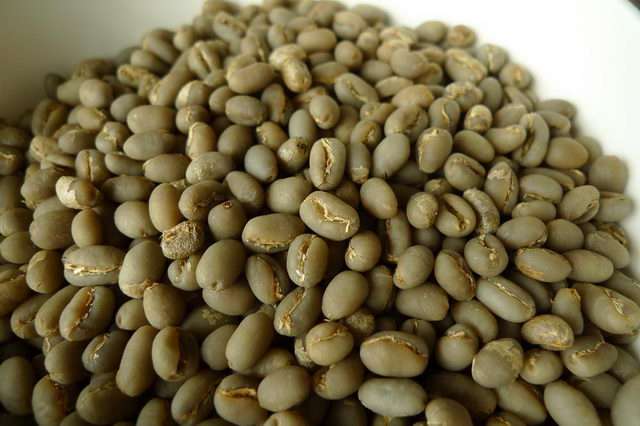
- After pulping, coffee is fermented for around 3 hours, then partially dried to 30–50% moisture.
- The parchment is removed while the bean is still semi-dry (unlike washed processing), then dried further for 2–4 days down to 12–13% moisture.
An extended version, aged wet hulling, involves storing the wet-hulled beans for 2–3 years in cool, ventilated conditions. This reduces acidity and deepens sweetness, yielding darker, smoother cups — like FrontStreet’s Aged Mandheling, which shows notes of ripe Pu’er tea and dark chocolate.
Notably, Wamena Estate (another offering from FrontStreet) bucks the trend by using the natural (dry) process — hand-picking, then sun-drying whole coffee cherries for 2–3 weeks. The result? Tropical fruit, fermentation brightness, and a softer acidity compared to the region’s norm.
How to Roast and Brew Sumatra Coffees
FrontStreet Coffee recommends medium to dark roasts for Sumatran beans to balance their inherent boldness and highlight their low acidity, rich body, and spicy-chocolate complexity. Their specific roast profiles target an even, bittersweet profile with notes of nut, caramel, and herbal depth.
For brewing, they suggest:
- Method: Pour-over (like Kono or V60)
- Grind: China-standard No.20 sieve, 70–75% passing
- Water Temp: 88°C
- Brew Ratio: 1:15 (15g coffee to 225g water)
- Filter: Kono (enhances body and clarity, especially for darker roasts)
The technique? A 30-second bloom with 30g water, then two pours to 125g and 225g, extracting for around 2 minutes total. This draws out the deep, layered flavors without over-extracting harsh bitterness.
Recommended FrontStreet Beans for Sumatran Profiles
Explore classic Sumatran character with FrontStreet’s PWN Golden Mandheling: sweet, nutty, and spice-forward with notes of toasted bread, wood, and cocoa. For earthier depth, try Lintong Mandheling — a standard-bearer with herbal, chocolate, and caramel balance. Or go unique with Wamena Estate Natural Mandheling, featuring tropical fruit, mild acidity, and a smooth, fermented sweetness. All three showcase Sumatra’s signature body and processing finesse. Freshly roasted within 5 days · Orders placed before 17:00 ship the same day · Next-day delivery across most of Guangdong Province.
FrontStreet Coffee is a long-established specialty coffee roaster in Guangzhou China, selling freshly roasted beans from its own farm in Yunnan as well as dozens of carefully selected single-origin beans from around the world for both pour-over and espresso. The products deliver consistently excellent quality and great value, with shipping within 24 hours. Guangzhou's FrontStreet Coffee shop is recommended by many coffee lovers, and the beans are now available online at the Tmall 。
Important Notice :
前街咖啡 FrontStreet Coffee has moved to new addredd:
FrontStreet Coffee Address: 315,Donghua East Road,GuangZhou
Tel:020 38364473