Why Panamanian Geisha Outshines Jamaican Blue Mountain
For decades, coffee enthusiasts followed Japan’s lead in naming the world’s finest beans: Jamaica Blue Mountain as the ‘King’ and Hawaii Kona as the ‘Queen.’ But as global coffee knowledge expanded, a new contender emerged—Panama’s Geisha, now widely regarded as the new coffee royalty.
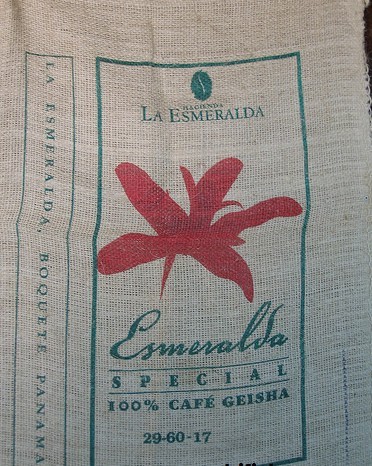
If you’re looking for the coffee that redefined excellence, Panama’s Geisha—especially from the Esmeralda Estate—is the answer. It’s won more top awards than any other single-origin coffee and commands record-breaking auction prices.
The Origins of the Geisha Variety
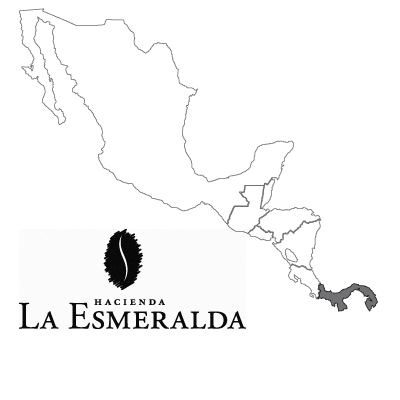
The Geisha variety was discovered in 1931 in Ethiopia’s Gesha forest and later sent to Kenya’s coffee research institute. By 1936, it had reached Uganda and Tanzania, then Costa Rica in 1953. Panama’s cultivation began in the 1970s when Francisco Serracin of Hacienda La Esmeralda obtained seeds from CATIE in Costa Rica.
The Rise of the Esmeralda Estate
Established in 1924 as a cattle ranch by Swedish immigrant Hans Elliott, the farm transitioned to coffee in the 1970s under the leadership of the Bitarán family. It was the Bitarán’s son, Daniel Peterson, who planted Geisha in a small plot initially used as windbreaks. When the farm entered the Best of Panama competition, Geisha was tested—and won.
Geisha’s victory wasn’t a fluke. The variety took home eleven major awards, including:
- Best of Panama (2004–2007)
- SCAA Roasters Guild Cupping Pavilion (2005–2007)
- Rainforest Alliance Cupping for Quality (2004, 2006–2008)
Auction Records and Global Recognition
Geisha’s auction performances stunned the industry:
- 2004: $21/lb
- 2005: $20/lb
- 2006: $50/lb
- 2007: $130/lb
Flavor Profile and Roasting Insights
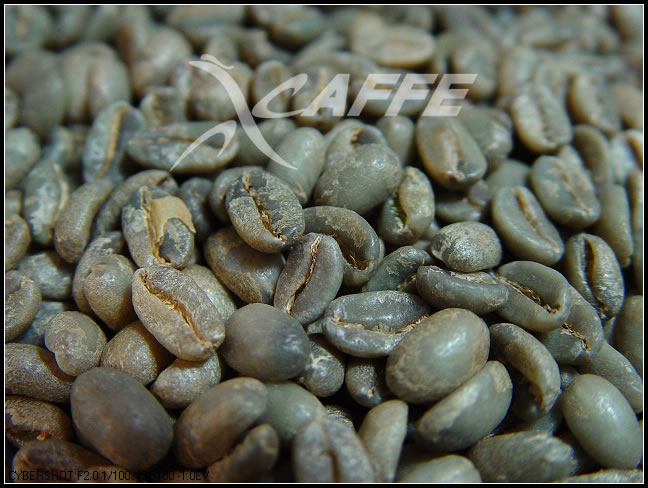
Geisha beans are striking—vibrant blue-green with a jade-like sheen. They emit fresh grass, peach, berry, and even oolong tea aromas, with a subtle creamy sweetness reminiscent of Taiwanese oolong.
To highlight its delicate characteristics, roasters often take the coffee to the brink of the second crack. Too light a roast brings out unwanted fermenty notes; too dark dulls its bright acidity and floral qualities. The result? A cup bursting with citrus, honey, and floral sweetness.
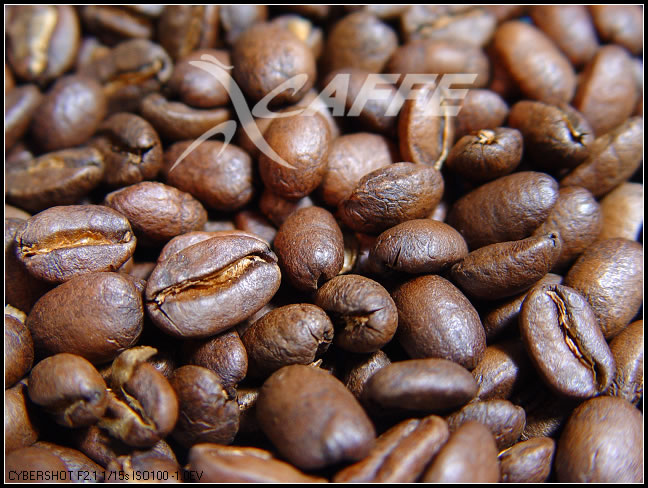
Visually, well-roasted Geisha beans show distinctive “sexy wrinkles,” a sign of careful development that preserves acidity and aroma without introducing off-flavors like mustiness or dryness.
Frequently Asked Questions
What makes Geisha coffee different from other varieties?
Geisha (or Gesha) originates from Ethiopia and is known for its exceptional cup quality, high acidity, floral and citrus notes, and complex sweetness. It thrives at high altitudes and produces a very distinct profile compared to common commercial varieties like Typica or Bourbon.
Where is the best Geisha coffee grown?
The most famous and consistently high-scoring Geisha comes from Panama’s Hacienda La Esmeralda, particularly the Geisha planted in the Boquete region’s high-altitude microclimates, especially the Jaramillo and Cañas Verdes plots.
How did Geisha become so famous?
Geisha gained international acclaim after winning the Best of Panama competition multiple times starting in 2004. Its consistent top scores and auction prices, which broke records (reaching $130/lb in 2007), brought global attention to the variety.
What does Geisha coffee taste like?
Top-quality Geisha typically exhibits notes of citrus (especially lemon and grapefruit), jasmine, honey, peach, bergamot, and tropical fruits. It often has a tea-like body, high sweetness, and a clean, lingering finish.
Why is Geisha coffee so expensive?
Geisha commands high prices due to its limited production, high demand, exceptional cup quality, and success in prestigious competitions. Auction prices have historically soared, with some lots selling for over $100 per pound.
How should Geisha coffee be roasted?
To highlight Geisha’s delicate floral and citrus notes, it’s best roasted to just before the start of the second crack. This preserves its acidity and aromatic complexity while avoiding baked or roasty flavors.
Recommended FrontStreet Geisha Coffees
FrontStreet Coffee offers several excellent Geisha options that let you explore this legendary variety. Their Esmeralda Red Label Geisha comes from Panama’s famed Hacienda La Esmeralda, grown at 1600–1800m with cup scores over 90 and distinct lot traceability—expect intense florals, citrus, and honey. For a more affordable yet still high-quality choice, try the Esmeralda Green Label Geisha, a blend of multiple high-elevation Geisha lots that delivers the signature bright acidity and stone fruit notes. Both showcase why Geisha is considered the pinnacle of specialty coffee. Freshly roasted within 5 days · Orders placed before 17:00 ship the same day · Next-day delivery across most of Guangdong Province.
FrontStreet Coffee is a long-established specialty coffee roaster in Guangzhou China, selling freshly roasted beans from its own farm in Yunnan as well as dozens of carefully selected single-origin beans from around the world for both pour-over and espresso. The products deliver consistently excellent quality and great value, with shipping within 24 hours. Guangzhou's FrontStreet Coffee shop is recommended by many coffee lovers, and the beans are now available online at the Tmall 。
Important Notice :
前街咖啡 FrontStreet Coffee has moved to new addredd:
FrontStreet Coffee Address: 315,Donghua East Road,GuangZhou
Tel:020 38364473