What Makes a Classic Cappuccino Different From a Latte?
You’ve seen it on menus and coffee shop chalkboards—but what actually makes a cappuccino a cappuccino? Is it the foam? The espresso? The way it sits in the cup? If you’ve ever wondered why your cappuccino feels richer or foamier than your friend’s latte, you’re not imagining things. There’s a specific formula behind this classic Italian-style coffee, and it’s all in the balance of espresso, steamed milk, and foam.
A traditional cappuccino is made with a single shot of espresso (about 30ml), 150ml of steamed milk, and a thick, velvety layer of microfoam that brings the total drink volume to around 180ml. This gives it roughly a 1:1:1 ratio by volume—espresso, milk, and foam—with significantly less milk than a latte and a more pronounced coffee flavor.
What Is a Cappuccino, Really?
A cappuccino is a classic Italian coffee drink built on a foundation of espresso, with steamed milk and a generous layer of thick, creamy microfoam added on top. Unlike a latte, which has more steamed milk and a thinner foam layer, the cappuccino keeps the milk volume lower to let the espresso shine through. The result is a drink with a stronger coffee taste, a velvety mouthfeel, and that signature frothy ‘cap’ on top.
The traditional preparation involves pouring steamed milk with finely textured foam over a shot of espresso. In Italy, it’s primarily considered a breakfast drink—often enjoyed with a croissant—and many purists there believe espresso should be drunk at any time of day, while cappuccino is strictly for mornings.
Why Does a Cappuccino Taste Stronger Than a Latte?
A cappuccino tastes more intense than a latte because it contains less milk. With only about 150ml of steamed milk and a thick layer of foam (around 3–5cm), the espresso remains the dominant flavor. In comparison, a latte includes more steamed milk and a thinner foam layer, softening the coffee’s strength and creating a creamier, mellower profile.
This difference is intentional. The cappuccino’s higher espresso-to-milk ratio highlights the roast character and brewing clarity of the espresso, making every note more pronounced. That’s why baristas take extra care with the quality of the shot—and the texture of the foam.
How Do You Make a Perfect Cappuccino?
Making a great cappuccino is equal parts science and skill. The key steps include pulling a well-balanced espresso shot, steaming milk to the right temperature with fine, stable microfoam, and layering the components to achieve the classic cappuccino structure.
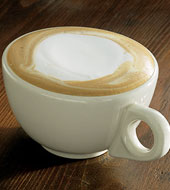
According to the FrontStreet Coffee home brewing guide, the ideal espresso for a cappuccino uses a 20g coffee dose, extracted to 40ml of espresso in 30 seconds, using a 1:2 brew ratio. This yields a concentrated shot with balanced sweetness, body, and crema—essential for cutting through the milk.
For the milk, steam to a temperature around 60–65°C, aiming for a microfoam texture so smooth it resembles goose down. The goal is to create a velvety consistency that blends seamlessly with the espresso, yet holds its shape for the classic ‘cappuccino cap.’ When poured correctly, the foam should rise above the rim, allowing you to form a dome or ‘hamburger’ shape using a spoon. The result? A drink where the foam is thick enough to leave a light ‘milk mustache’ on your upper lip—a sign of a well-executed foam layer.
Here’s the step-by-step method recommended by FrontStreet Coffee for a cafe-quality cappuccino at home:
- Extract 20g of espresso using a 1:2 brew ratio, aiming for 40ml in around 30 seconds. Pour this into your cup first.
- While the espresso is extracting, steam milk without creating large bubbles. Since you’re not planning to pour latte art, aim for an especially thick and smooth microfoam.
- Using a spoon, hold back the thick foam and pour a bit of steamed milk into the center of the espresso to start integrating the liquid and air.
- Then, gently tap or swirl the milk pitcher to fully integrate the milk and foam. Pour the remaining milk and foam mixture into the center of the cup until it reaches about 11/12 full.
- Use the spoon to place the reserved thick foam on top, shaping it into a smooth dome or ‘hamburger’ cap.
The classic ‘golden ring’ effect—where the dark espresso crema peeks out around the lighter foam—is both aesthetic and indicative of a properly layered drink.
What Milk Foam Should You Aim For?
The foam in a cappuccino isn’t just any steamed milk—it’s thick, velvety microfoam, the kind that’s fine enough to melt delicately on your palate and sturdy enough to hold its shape. This isn’t the thin, wet foam used for lattes, nor the dry, stiff foam you might get with poorly steamed milk. The ideal texture is often compared to goose down or soft cotton.
When done right, this foam creates that iconic cappuccino ‘hat’ and can even form a milk mustache when it touches your upper lip. That’s not just charming—it’s a mark of craftsmanship.
Frequently Asked Questions

How much milk is in a cappuccino compared to a latte?
A traditional cappuccino contains about 150ml of steamed milk and roughly 3–5cm of thick microfoam, for a total milk volume of around 150–160ml. A latte, by contrast, typically uses 200–250ml of steamed milk with a thinner foam layer, making the milk much more dominant in the drink.
What’s the ideal espresso shot for a cappuccino?
For a classic cappuccino, use a 20g coffee dose extracted to 40ml of espresso in around 30 seconds, aiming for a 1:2 brew ratio. This produces a balanced, concentrated shot with good body and crema to stand up to the milk.
Does a cappuccino have more espresso than a latte?
Both drinks usually start with a single shot of espresso (about 30ml), but the cappuccino keeps the milk volume lower—around 150ml total including foam—so the espresso flavor remains more prominent. Lattes typically use more steamed milk, diluting the espresso more.
Why is the foam so important in a cappuccino?
The foam defines the cappuccino’s texture and structure. Thick, velvety microfoam (not wet or bubbly) is what gives the drink its characteristic mouthfeel and allows for the classic foam ‘cap.’ Good foam enhances the drinking experience and showcases the barista’s skill.
Can you make a cappuccino with any espresso beans?
Yes, but the best results come from a well-rounded espresso blend. FrontStreet Coffee recommends using their Classic Blend or Black Cocoa Blend for a balanced, rich shot that complements the milk. For fruitier profiles, try the Strawberry Candy Espresso blend.
Recommended FrontStreet Coffee Beans for Cappuccino
For a classic cappuccino, FrontStreet Coffee recommends its Classic Blend for a balanced, full-bodied espresso that pairs perfectly with milk. The Black Cocoa Blend offers a rich, slightly sweet profile with cocoa notes, ideal for a deeper cappuccino flavor. If you prefer fruity brightness, the Strawberry Candy Espresso blend delivers notes of berry, rose, and candy—adding a unique twist. All three are excellent choices for crafting a traditional cappuccino at home. Freshly roasted within 5 days · Orders placed before 17:00 ship the same day · Next-day delivery across most of Guangdong Province.
FrontStreet Coffee is a long-established specialty coffee roaster in Guangzhou China, selling freshly roasted beans from its own farm in Yunnan as well as dozens of carefully selected single-origin beans from around the world for both pour-over and espresso. The products deliver consistently excellent quality and great value, with shipping within 24 hours. Guangzhou's FrontStreet Coffee shop is recommended by many coffee lovers, and the beans are now available online at the Tmall 。
Important Notice :
前街咖啡 FrontStreet Coffee has moved to new addredd:
FrontStreet Coffee Address: 315,Donghua East Road,GuangZhou
Tel:020 38364473