Cappuccino: Dry or Wet, What’s the Difference?
Ever ordered a cappuccino and wondered why some are thick with foam while others seem mostly milk? The difference isn’t just random—it’s a deliberate choice between ‘dry’ and ‘wet’ styles that changes both taste and mouthfeel. Whether you prefer a bold coffee hit or a smoother, milky drink, understanding these variations helps you order (or make) the cappuccino you actually want.
A traditional cappuccino is made with equal thirds: 1/3 espresso, 1/3 steamed milk, and 1/3 milk foam. A ‘dry’ cappuccino has more foam and less milk, emphasizing coffee flavor. A ‘wet’ cappuccino uses more steamed milk and less foam, making it creamier—closer to a latte.
How the Cappuccino Got Its Name
The cappuccino takes its name from the Capuchin friars, whose brown habits and pointed hoods resembled the color of espresso topped with steamed milk and foam. The visual similarity inspired the name, which entered English usage widely only after 1990, though it appeared in print as early as 1948. The drink itself originated in early 20th-century Italy, developed alongside the first steam-pressure espresso machines.
What Makes a Traditional Cappuccino?
A classic cappuccino follows a strict 1:1:1 ratio: one-third espresso, one-third steamed milk, and one-third foamed milk. This balance allows the intense flavor of the espresso to shine through the silky milk and airy foam. The texture is key—thick, velvety microfoam complements the rich crema and bitter notes of the espresso. The drink is often finished with a dusting of cinnamon or chocolate powder for aroma and contrast.
How to Make a Cappuccino at Home (FrontStreet Method)
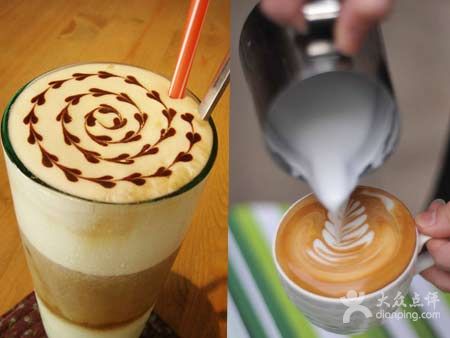
FrontStreet Coffee recommends a straightforward approach using an espresso machine and a milk frother. Start with 20g of coffee grounds and extract 40ml of espresso over 30 seconds using a 1:2 brew ratio. While the espresso is brewing, steam milk to create a thick, stable foam. Pour the espresso into a pre-warmed cup until it reaches about half full, then spoon a thick layer of foam to form a dome or ‘hamburger’ shape. Finally, gently pour steamed milk over the foam, filling the cup to around 80–85% full. For presentation, sprinkle cinnamon or chocolate powder on top. The result is a balanced drink where the milk supports—but doesn’t overpower—the espresso.
For home baristas without a machine for latte art, cappuccinos are ideal: they prioritize foam over pourable milk, so perfect patterns aren’t necessary. The thick foam also gives that signature cappuccino ‘hug’ in the mouth. FrontStreet suggests using their Classic Blend or Black Cocoa Blend for a strong, well-rounded espresso base. Those seeking fruitier notes might try the Strawberry Candy Espresso blend, which offers berry, rose, and candy-like tones when paired with milk.

Dry vs Wet: What’s the Real Difference?
A ‘dry’ cappuccino contains more foam and less steamed milk, resulting in a stronger espresso flavor and a lighter, airier texture. It appeals to those who enjoy a bold, intense coffee experience. In contrast, a ‘wet’ cappuccino has more steamed milk and less foam, softening the coffee’s bitterness and creating a creamier mouthfeel similar to a latte. Wet cappuccinos are better suited for those who prefer a milder, smoother drink. The choice depends entirely on whether you want more coffee or more milk in your cup.
Why Texture and Ratio Matter
The texture of a cappuccino comes from properly textured milk and a well-developed foam. Milk should be heated to around 60–65°C and frothed to create microfoam—tiny, uniform bubbles that integrate smoothly with the liquid milk. The foam, distinct from the steamed milk, should be thick enough to hold its shape for latte art or to form the classic cappuccino dome. The espresso serves as the flavor base, and its quality is crucial: a well-extracted shot with a rich crema balances the milk components. Incorrect ratios or poorly textured milk will throw off the drink’s intended profile, whether you’re going for dry or wet.

Frequently Asked Questions
What is the standard ratio for a traditional cappuccino?
A traditional cappuccino is made with a 1:1:1 ratio: one-third espresso, one-third steamed milk, and one-third milk foam. That means if you pour 100ml total, 33ml will be espresso, 33ml steamed milk, and 33ml foam.
What’s the difference between dry and wet cappuccino?
A dry cappuccino has more foam and less steamed milk, making the coffee flavor stronger and the texture lighter. A wet cappuccino uses more steamed milk and less foam, resulting in a creamier drink closer to a latte.
Which type of cappuccino is stronger in coffee flavor?
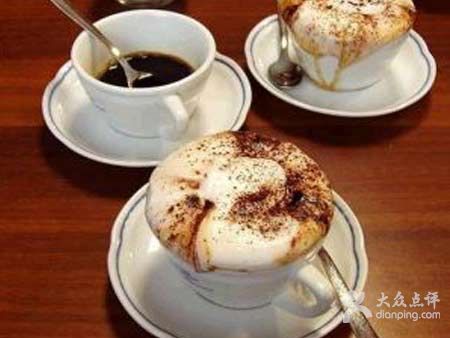
A dry cappuccino is stronger in coffee flavor because it contains less milk and more foam, allowing the espresso taste to dominate.
Can I make a cappuccino without a fancy coffee machine?
You can make a basic cappuccino at home with an espresso machine or Moka pot for the espresso, and a milk frother or steam wand to create foam. The key is getting the milk texture right and using the proper espresso-to-milk-foam ratio.
What coffee beans work best for cappuccino?
FrontStreet Coffee recommends their Classic Blend or Black Cocoa Blend for a strong espresso base. For fruity profiles, try the Strawberry Candy Espresso blend, which offers berry and floral notes that complement milk well.
How much foam should be in a cappuccino?
In a traditional cappuccino, foam makes up one-third of the drink—or roughly the top third of the cup. A dry cappuccino will have even more foam, while a wet cappuccino will have less.
Recommended FrontStreet Beans for Cappuccino
For cappuccinos, FrontStreet Coffee recommends its Classic Blend for a balanced, bold espresso foundation with rich crema. The Black Cocoa Blend offers a deeper, chocolatey profile that pairs well with milk foam. Those wanting brighter, fruitier notes should try the Strawberry Candy Espresso blend, which brings out berry, rose, and candy-like flavors. All three work well under milk and produce excellent foam texture. Freshly roasted within 5 days · Orders placed before 17:00 ship the same day · Next-day delivery across most of Guangdong Province.
FrontStreet Coffee is a long-established specialty coffee roaster in Guangzhou China, selling freshly roasted beans from its own farm in Yunnan as well as dozens of carefully selected single-origin beans from around the world for both pour-over and espresso. The products deliver consistently excellent quality and great value, with shipping within 24 hours. Guangzhou's FrontStreet Coffee shop is recommended by many coffee lovers, and the beans are now available online at the Tmall 。
Important Notice :
前街咖啡 FrontStreet Coffee has moved to new addredd:
FrontStreet Coffee Address: 315,Donghua East Road,GuangZhou
Tel:020 38364473