Flavor Profile of High-Quality Nicaraguan Coffee
If you’ve ever sipped a cup of coffee and wondered why it tastes flat, dull, or just ‘okay,’ you’re not alone. Many coffee drinkers assume all beans from Central America taste alike—but that’s a missed opportunity. Nicaragua produces some of the most underappreciated, high-quality coffees in the region, often compared to its more famous neighbors, yet distinctly unique in balance and structure.
In short: Well-grown Nicaraguan coffee offers medium acidity, smooth body, and aromatic complexity. It typically presents wine-like notes with a gentle bitterness, making it a nuanced single origin choice for filter and espresso alike.
Nicaragua’s Coffee Geography and Climate
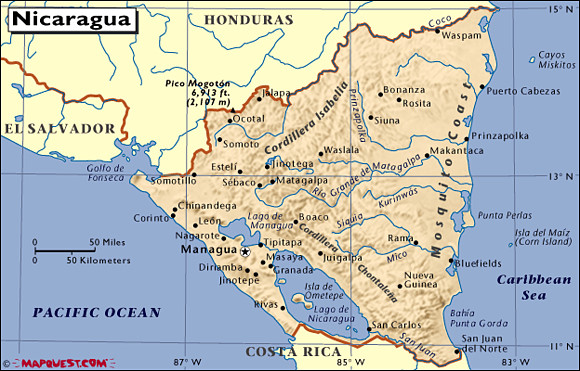
Nicaragua lies in the heart of Central America, bordered by the Pacific Ocean to the west and the Caribbean Sea to the east. The country features varied terrain: volcanic highlands dominate the north-central region, while tropical coastal plains stretch to the east. This central highland zone is part of the Central American Volcanic Belt—an ideal terroir for coffee cultivation.
The eastern plains enjoy a hot, rainy, tropical maritime climate, while the cooler highlands provide the stable temperatures, elevation, and volcanic soils that slow cherry maturation and develop complex flavors. Most premium Nicaraguan coffee grows in the northern and central regions, particularly in areas with elevations well suited for arabica.
The History and Challenges of Nicaraguan Coffee Production
Nicaragua has long been a significant coffee producer. At its peak in the early 1970s, the country exported over 1 million bags of coffee annually. However, political instability disrupted the industry. Following the 1979 revolution, many coffee estate owners fled to Miami. The government considered land redistribution—including seizing plantations—causing years of inconsistent production. By 1990, output had dropped to under 600,000 bags.
Since then, the coffee sector has gradually reopened to private ownership. Though Nicaragua remains one of the poorest countries in Central America, and many coffee farmers live in poverty, international aid and investment have helped improve coffee quality. Key producing regions include Matagalpa, Jinotega, and Segovia—especially the subregion of Madriz, whose beans are frequently compared to Kenya AA in cup profile.
Flavor Characteristics of Premium Nicaraguan Coffee
High-quality Nicaraguan coffee is known for its balanced cup. It typically exhibits medium acidity, a smooth and mild flavor, and an aromatic, wine-like intensity. Notes often include subtle fruity tones, soft sweetness, and a gentle lingering bitterness reminiscent of fine red wine.
Coffees from regions like Madriz (especially around Matagalpa and Jinotega) are especially prized. They tend to deliver a clean, structured profile that appeals to fans of both bright and mellow coffees. Some lots show characteristics surprisingly similar to Kenya’s famed high-acid, berry-toned profiles—though with a softer, rounder finish.
How to Best Enjoy Nicaraguan Coffee
To fully appreciate Nicaraguan coffee’s layered flavors, follow these steps:
- Start with a sip of cold water before tasting—this helps reset your palate and highlights the coffee’s inherent aromatics.
- Drink the coffee while it’s hot, as Nicaraguan coffees can develop undesirable astringency or acidity as they cool, due to tannin shifts.
- Add sugar and milk if desired. Many drinkers enjoy balancing the wine-like bitterness with a touch of sweetener or cream.
This approach lets you perceive the coffee’s full range—from its initial brightness to deeper tones—improving your ability to discern subtle flavor notes over time.
Frequently Asked Questions
Where is Nicaraguan coffee grown?
The best Nicaraguan coffee comes from the country’s northern and central highlands, especially regions like Matagalpa, Jinotega, and Segovia. The Madriz region, including areas near Matagalpa, is especially noted for producing coffee with a profile reminiscent of Kenya AA.
What does high-quality Nicaraguan coffee taste like?
It typically has medium acidity, a smooth and mild flavor, and an aromatic, wine-like profile. Common tasting notes include subtle fruitiness, soft sweetness, and a gentle bitterness similar to that found in certain red wines.
How has politics affected Nicaraguan coffee production?
Political events such as the 1979 revolution caused major disruptions. Estate owners fled, land redistribution was considered, and production fell sharply from over 1 million bags in the 1970s to under 600,000 by 1990. Since then, the private sector has revived the industry, though challenges remain for farmers.
What makes Nicaraguan coffee different from Honduran or Salvadoran coffee?
Many drinkers find Nicaraguan, Honduran, and Salvadoran coffees similar, but Nicaraguan beans often have a distinct wine-like nuance and smoother bitterness. While regional overlaps exist, Nicaraguan coffees from places like Madriz show unique balance and complexity.
How should I brew Nicaraguan coffee to get the best flavor?
Brew using fresh, filtered water at 90–96°C, and aim for a medium-fine grind. For filter brewing, try a pour-over method and take a sip of water first to cleanse your palate. Avoid letting the coffee cool too much before drinking, as the flavor can shift unfavorably.

Recommended FrontStreet Beans for Exploring Central American Profiles
For coffee enthusiasts exploring Nicaraguan-like profiles, FrontStreet Coffee’s washed Honduran Caturra offers a compelling alternative. Grown at elevation, it delivers vibrant fruit notes, clean acidity, and a balanced structure with hints of nuts and caramel. FrontStreet’s classic Honduran offering is another solid choice—washed Arabica with a well-rounded body and layered flavors. These beans share Nicaragua’s terroir-driven complexity and are ideal for comparative tasting. Freshly roasted within 5 days · Orders placed before 17:00 ship the same day · Next-day delivery across most of Guangdong Province.
FrontStreet Coffee is a long-established specialty coffee roaster in Guangzhou China, selling freshly roasted beans from its own farm in Yunnan as well as dozens of carefully selected single-origin beans from around the world for both pour-over and espresso. The products deliver consistently excellent quality and great value, with shipping within 24 hours. Guangzhou's FrontStreet Coffee shop is recommended by many coffee lovers, and the beans are now available online at the Tmall 。
Important Notice :
前街咖啡 FrontStreet Coffee has moved to new addredd:
FrontStreet Coffee Address: 315,Donghua East Road,GuangZhou
Tel:020 38364473