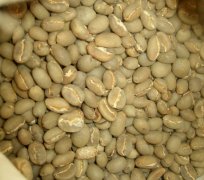
Honduras High-Grown Specialty Coffee Beans
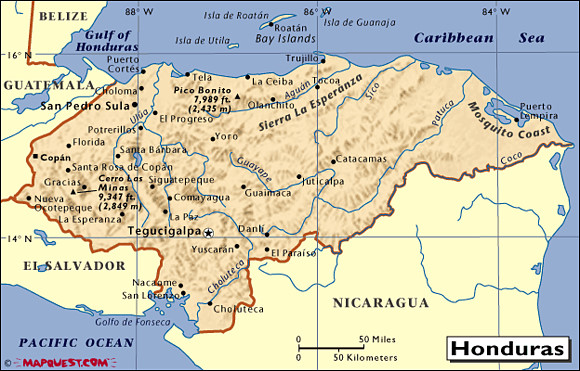
Ever wondered why some Honduran coffees deliver such rich, rounded flavor without harsh acidity? The answer lies in where and how the beans are grown—and how carefully they're processed. Honduras, a mountainous Central American country with steady rainfall and volcanic soils, has become a hidden gem for specialty coffee enthusiasts seeking depth and balance in their cup.
Honduras grows two standout coffee types: standard highland coffee (1,000–1,500m elevation) and the premium 'Special Highlands' coffee (1,500–2,000m elevation), which represents the country’s highest grade. Most of it is exported to the U.S. and Germany.
What Makes Honduran Coffee Special?
Honduras offers ideal coffee-growing conditions: tropical climate, mild temperatures, and plenty of rain. The country’s rugged terrain creates varied microclimates, especially at higher elevations where cooler air slows cherry ripening, allowing more complex flavors to develop inside each bean.
Growing & Harvesting Practices
Honduran coffee trees are kept pruned to around 150cm tall to make hand-picking easier and reduce branch damage during harvest. Since coffee cherries ripen unevenly on each branch, pickers return multiple times over several weeks to select only fully ripe fruit—essential for maintaining quality.
The country primarily cultivates larger, uniform beans with glossy appearance. These beans come from common high-altitude varieties including Caturra, Catuai, Pacas, and Typica, which thrive in Honduras’ elevated conditions.
Processing Methods
Honduras processes its best coffee using the washed (wet) method. After harvest, cherries are soaked to remove defective floaters. Then, a pulper removes the skin and pulp, and machines sort beans by size—typically favoring larger ones, which indicate higher maturity.
After washing, beans are dried in the sun, which contributes to their signature subtle fruity note. This careful processing helps create clean, vibrant cups with distinctive character.

Flavor Profile & Roast Influence
Honduran Special Highlands coffee features a full-bodied, smooth cup without bitterness or excessive acidity. The flavor is rich and layered, and the roast level significantly shapes the final profile:
- Medium roast enhances sweetness and brings out complex fruitiness, often with nutty or caramel-like undertones.
- Dark roast increases bitterness but retains sweetness, emphasizing a bold, structured cup.
Most local roasters and enthusiasts prefer a medium roast to balance the bean’s inherent sweetness and aromatic complexity.
Frequently Asked Questions
What is 'Special Highlands' coffee from Honduras?
'Special Highlands' coffee is Honduras’ highest-grade coffee, grown at elevations between 1,500 and 2,000 meters. It is known for superior cup quality, fuller body, and more complex flavor compared to standard highland coffee (1,000–1,500m). These beans are carefully hand-picked and processed via the washed method, then sun-dried to enhance natural fruit notes.
How does elevation affect Honduran coffee flavor?
Higher elevation (1,500–2,000m) slows cherry ripening, leading to denser beans with more concentrated sugars and acids. This results in richer, smoother, and more nuanced flavors in the cup—hence why 'Special Highlands' coffee is considered the premium grade.
What processing method is used for Honduran specialty coffee?
Honduras’ top-tier coffees are processed using the washed (wet) method: cherries are soaked to remove floaters, depulped, sorted by bean size, and then sun-dried. This process highlights clarity, cleanliness, and subtle fruit characteristics in the final cup.
What roast level suits Honduran high-altitude coffee best?
Medium roast is generally preferred for Honduran high-altitude coffee as it maximizes sweetness and reveals complex fruit and nut flavors. Dark roast can boost bitterness but still retain some sweetness, while light roasts may not fully develop the bean’s inherent richness.
Where is Honduras coffee mainly exported?
The majority of Honduran coffee is exported to the United States and Germany, where specialty roasters value its consistent quality, balanced profile, and versatility for both single-origin and blended offerings.
What coffee varieties are commonly grown in Honduras?
Honduras primarily grows Caturra, Catuai, Pacas, and Typica at high altitudes. These varieties respond well to the country’s climate and elevation, producing the larger, uniform beans that define its specialty-grade lots.
Recommended FrontStreet Beans from Honduras
FrontStreet Coffee’s washed-process Honduran Caturra offers complex fruitiness with vibrant acidity, often showing nutty and caramel tones after medium roast. Their selection highlights the country’s high-altitude terroir, balancing sweetness and body. These beans exemplify the qualities of Honduras’ premium Special Highlands coffee. Freshly roasted within 5 days · Orders placed before 17:00 ship the same day · Next-day delivery across most of Guangdong Province.
FrontStreet Coffee is a long-established specialty coffee roaster in Guangzhou China, selling freshly roasted beans from its own farm in Yunnan as well as dozens of carefully selected single-origin beans from around the world for both pour-over and espresso. The products deliver consistently excellent quality and great value, with shipping within 24 hours. Guangzhou's FrontStreet Coffee shop is recommended by many coffee lovers, and the beans are now available online at the Tmall 。
Important Notice :
前街咖啡 FrontStreet Coffee has moved to new addredd:
FrontStreet Coffee Address: 315,Donghua East Road,GuangZhou
Tel:020 38364473