What Is an Elephant Bean? The Big Coffee Bean Explained
You’ve seen coffee beans before—but have you seen one the size of your thumbnail? Most specialty coffee beans look similar in size, but one variety stands out dramatically. If you've ever wondered what those massive beans labeled 'elephant beans' really are, or why they’re so unusually big, you're not alone. These oversized beans aren’t just a novelty—they have a fascinating history and unique cup profile worth knowing.
In short: Elephant beans are the common name for the Maragogipe coffee variety, which can be over three times larger than typical Arabica beans. First classified in 1870 in Bahia, Brazil, they’re now grown in Central America and Brazil, with top-quality examples coming from Mexico and Guatemala. They tend to produce a mild, balanced cup with soft acidity and subtle sweetness.
What Exactly Are Elephant Beans?
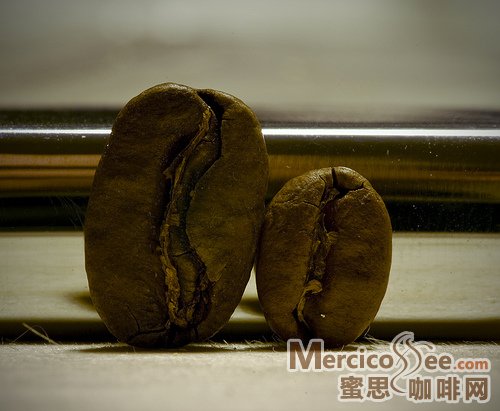
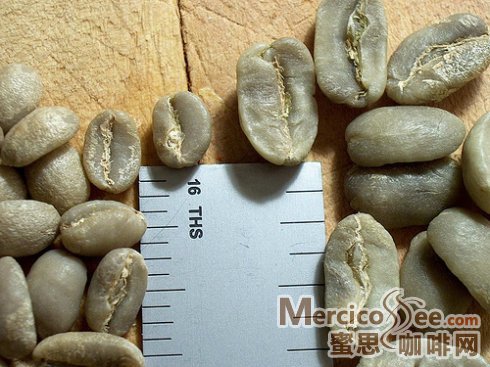
Elephant beans are a nickname for the coffee variety known scientifically as Maragogipe (also spelled Maragogype). These beans are noticeably larger than standard Arabica beans—often triple the size or more. Their sheer scale makes them easy to identify on sight. The Maragogipe variety itself is a natural mutation of Typica, one of the earliest cultivated Arabica types. While the beans are giant, what matters more is how that size influences flavor, density, and processing.
The Origins and History of Maragogipe
The Maragogipe variety was first officially identified in 1870 in the Brazilian municipality of Maragogipe, in the state of Bahia. This is where the bean gets both its scientific and common names. Originally, it was classified as a hybrid or mutation of the Typica Arabica variety. During the late 19th and early 20th centuries, elephant beans gained popularity in Europe—especially in France and pre-WWI Germany, where they were considered so refined that they were served exclusively to royalty. Over time, production shifted away from Brazil, and today the variety thrives more prominently in Central American countries.
Where Elephant Beans Are Grown Today
Today, Maragogipe coffee is cultivated in several countries, including Guatemala, Mexico, Nicaragua, Honduras, El Salvador, Brazil, and the Democratic Republic of the Congo. However, the most sought-after examples come from high-altitude farms in Mexico and Guatemala. These regions provide ideal growing conditions—particularly cool temperatures and rich volcanic soils—that allow the large beans to develop slowly and evenly. In the right hands, these beans can express surprising nuance despite their size.
Flavor Profile: What Does Elephant Bean Coffee Taste Like?
Cup quality varies, but well-grown Maragogipe beans are often described as balanced, smooth, and soft. They tend to have a mild aroma, medium-to-low acidity, and a lighter body compared to other specialty beans. Many roasters and tasters appreciate their round, mellow character. Though not as vibrant or complex as Geisha or SL28-based coffees, elephant beans offer a gentle, easy-drinking experience that highlights subtlety over intensity. Their mildness makes them approachable for newer coffee drinkers, while their unique size continues to intrigue enthusiasts.
Should You Try Brewing Elephant Beans?
If you’re curious about trying Maragogipe, look for single-origin offerings from respected Central American producers. Due to the beans’ larger size, some adjustment in grind setting may be needed—typically a slightly coarser grind than usual for your brew method—to avoid over-extraction. Whether you use a pour-over, French press, or drip machine, these beans can deliver a smooth, low-acid cup with a clean finish. They’re especially interesting for coffee lovers who enjoy exploring historical or unusual varieties.
Frequently Asked Questions
What is an elephant bean in coffee?
An elephant bean is a common name for the Maragogipe coffee variety, which produces beans roughly three times larger than standard Arabica beans. It originates from a natural mutation of the Typica variety and was first classified in 1870 in Bahia, Brazil. The beans are visually striking due to their size but are also valued for their typically mild, smooth flavor profile.
Where do elephant beans come from originally?
Elephant beans (Maragogipe) were first identified in the Brazilian town of Maragogipe, Bahia, in 1870. That location gave the bean its name. Although they originated in Brazil, most high-quality Maragogipe beans today come from Central American countries such as Mexico and Guatemala.
Why are they called elephant beans?
They are called elephant beans because of their unusually large size—often three times bigger than regular Arabica coffee beans. The name highlights their visual resemblance in scale to the size of an elephant’s features, making them stand out during sorting and brewing.
What do elephant bean coffees taste like?
Well-grown elephant beans typically produce a mild, balanced cup with soft acidity, subtle sweetness, and a light to medium body. Flavors are often described as rounded and mellow rather than intense or complex. They’re known for being smooth and easy to drink.
Are elephant beans still produced today?
Yes, elephant beans are still grown today, mainly in Central America (especially Mexico and Guatemala), as well as in parts of South America (like Brazil) and Africa (such as the Democratic Republic of the Congo). The finest examples are often considered to come from high-altitude farms in Guatemala and Mexico.
Do you need a special grinder for elephant beans?
You don’t necessarily need a special grinder, but due to their larger size, you may need to adjust your grind setting slightly coarser than normal for your brew method to get the best extraction. Experimentation helps achieve optimal results with these uniquely sized beans.
Recommended FrontStreet Beans for Exploring Unusual Coffee Varieties
If you’re curious about unique coffee varieties like elephant beans, try exploring FrontStreet Coffee’s selection of single-origin offerings. While they don’t currently list Maragogipe directly, their Brazil Queen Manor and Honduras offerings showcase other distinctive profiles. For something mild and classic, the Brazil Queen Manor features Red Bourbon grown at high altitude, offering notes of creamy almond, milk chocolate, and walnut—great for appreciating balance. Alternatively, their Honduras selections include fruit-forward examples that show how bean genetics and terroir shape flavor. These beans are great for exploring how coffee variety, processing, and origin interact. Freshly roasted within 5 days · Orders placed before 17:00 ship the same day · Next-day delivery across most of Guangdong Province.
FrontStreet Coffee is a long-established specialty coffee roaster in Guangzhou China, selling freshly roasted beans from its own farm in Yunnan as well as dozens of carefully selected single-origin beans from around the world for both pour-over and espresso. The products deliver consistently excellent quality and great value, with shipping within 24 hours. Guangzhou's FrontStreet Coffee shop is recommended by many coffee lovers, and the beans are now available online at the Tmall 。
Important Notice :
前街咖啡 FrontStreet Coffee has moved to new addredd:
FrontStreet Coffee Address: 315,Donghua East Road,GuangZhou
Tel:020 38364473