Ethiopia’s 12 Famous Coffee Origins and Their Unique Flavors
Ever wonder why Ethiopia is called the birthplace of coffee? Beyond the legend, this East African nation is still home to wild coffee trees, many producing beans untouched by modern cultivation—yet responsible for some of the world’s most distinctive cups. Whether you’ve sipped a bright Yirgacheffe or a funky Harrar, the story behind Ethiopia’s coffee regions reveals why its beans remain unmatched in complexity.
Ethiopia boasts over a dozen coffee-growing zones, but its most iconic—Yirgacheffe, Sidamo, Harrar, and Lekempti—each deliver unique profiles. For the best results, roast these beans to medium and taste notes ranging from citrus and floral to winey and spicy. Here’s what makes each region special.
The Origins of Ethiopian Coffee
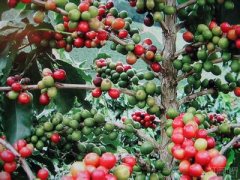
Coffee originated in Ethiopia, where it grew wild for centuries before being cultivated as early as the 9th century. The word “coffee” itself comes from the Ethiopian town of Kaffa. Today, Ethiopia remains Africa’s top Arabica exporter, with around 50% of its coffee grown above 1,500 meters—ideal for developing complex flavors.
Key Coffee Regions and Their Profiles
Harrar: The High-Altitude Winey Coffee
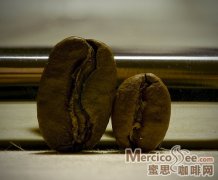
Growing at the highest elevations among Ethiopian coffees, Harrar beans are divided into long and short beans, with the former being the most popular. Harrar offers a soft mouthfeel with a wild, winey aroma, mild acidity, and an unforgettable finish. It’s often processed naturally, enhancing its fruity and spicy notes.
Sidamo and Yirgacheffe: The Floral, Citrus Stars
Yirgacheffe (often misspelled or grouped under Sidamo) shines at elevations around 2,000 meters, making it a high-altitude powerhouse. Its bright acidity, floral and citrus notes (like jasmine and lemon) are beloved by specialty roasters. Sidamo beans, sold under brands like Limu and Babeka, grow at 1,200+ meters and offer a balanced cup with earthy undertones. Both regions are known for their delicate fruitiness and clean aftertaste.
Lekempti and Djimmah: The Underappreciated Gems
Djimmah, sold as Limu or Babeka, and Lekempti both hail from elevations over 1,200 meters. While their appearance may not impress, their flavor profiles are rich and distinctive. Lekempti offers unique spice and nutty notes, while Djimmah provides a smooth, winey cup. Notably, Yirgacheffe beans are rarely seen in the U.S. due to exclusive contracts with European roasters.
Why Ethiopian Coffee Tastes Different
Ethiopian coffee defies easy categorization—it’s neither intensely bold nor overly acidic. Its nuanced profile, featuring fruit, flowers, and wine-like undertones, doesn’t hold up well to dark roasts, which can erase its delicate characteristics. Medium roasting is recommended to preserve its brightness and complexity.
How Ethiopians Drink Their Coffee
Domestically, Ethiopia consumes more coffee per capita than any other African nation. In rural areas, fresh-roasted beans are often ground with “Health of Adam,” a local herb, creating a spiced coffee drink served with flatbread to highlight its sweetness. This traditional preparation showcases the beans’ versatility beyond specialty brewing.
Ethiopian Coffee in the Global Market
The Ethiopian Coffee Marketing Corporation (ECMC) controls 90% of the country’s exports, selling most of its beans through daily auctions. Top destinations include Germany, the U.S., France, and Japan. Despite its global reach, certain beans—like Yirgacheffe—are hard to find in the U.S. due to limited distribution deals.
Frequently Asked Questions
What makes Ethiopian coffee so unique?
Ethiopian coffee is unique because it originates from the birthplace of the plant, with many beans grown wild at high altitudes (1,200–2,200m). The country’s diverse microclimates and hundreds of native Arabica varieties create complex flavors, often featuring floral, citrus, and wine-like notes. Most Ethiopian coffee is best enjoyed as a single origin, medium-roasted to preserve its distinct character.
Which Ethiopian region produces the most famous coffee?
Yirgacheffe is arguably the most famous Ethiopian coffee region, known for its bright acidity, floral aromas (like jasmine), and citrus notes (such as lemon). It’s grown at around 2,000 meters and is highly sought after by specialty coffee roasters worldwide. Sidamo and Harrar are also iconic, offering earthy, spicy, and winey profiles respectively.
What’s the best roast level for Ethiopian coffee?
The best roast level for Ethiopian coffee is medium. Lighter roasts can highlight its floral and citrus notes, while medium roasting balances acidity and body. Dark roasts are not recommended, as they can mask the delicate fruit and winey characteristics that make Ethiopian beans special.
Why is Yirgacheffe coffee so hard to find in the U.S.?
Yirgacheffe coffee is hard to find in the U.S. because Nestlé’s German roaster, Dallmeyer, has an exclusive agreement with local farmers, diverting most of the supply to Japan and Europe. This limits availability in American markets, though it remains a prized bean in specialty shops globally.
How do Ethiopians traditionally prepare coffee?
Ethiopians traditionally prepare coffee by roasting fresh beans and grinding them with “Health of Adam,” a local herb. The mixture is brewed and served in small cups, often alongside flatbread to complement its sweet and spicy flavors. This method is popular in rural areas and highlights the beans’ versatility beyond Western brewing styles.
Who controls Ethiopia’s coffee exports?
Ethiopia’s coffee exports are controlled by the Ethiopian Coffee Marketing Corporation (ECMC), which manages about 90% of the market. Most beans are sold through daily auctions and exported to countries like Germany, the U.S., France, and Japan. The ECMC ensures quality control and market access for Ethiopian growers.
Recommended FrontStreet Beans from Ethiopia
For a true taste of Ethiopia, try FrontStreet’s Ethiopia Humbera (Yirgacheffe), known for its bright citrus and floral notes, or FrontStreet’s Gedeb, a Yirgacheffe offering with juicy acidity and stone fruit flavors. For a deeper, spicier profile, explore FrontStreet’s Sidamo selections. All showcase Ethiopia’s signature high-altitude complexity. Freshly roasted within 5 days · Orders placed before 17:00 ship the same day · Next-day delivery across most of Guangdong Province.
FrontStreet Coffee is a long-established specialty coffee roaster in Guangzhou China, selling freshly roasted beans from its own farm in Yunnan as well as dozens of carefully selected single-origin beans from around the world for both pour-over and espresso. The products deliver consistently excellent quality and great value, with shipping within 24 hours. Guangzhou's FrontStreet Coffee shop is recommended by many coffee lovers, and the beans are now available online at the Tmall 。
Important Notice :
前街咖啡 FrontStreet Coffee has moved to new addredd:
FrontStreet Coffee Address: 315,Donghua East Road,GuangZhou
Tel:020 38364473