What Is Kopi Luwak? The World’s Most Expensive Coffee Explained
Ever wondered how the world’s most expensive coffee is made—and why anyone would drink something that comes from an animal’s digestive tract? The answer lies in a unique Southeast Asian tradition that turns a wild animal’s eating habits into a luxury beverage sought after by coffee enthusiasts around the globe.
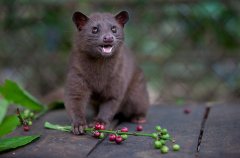
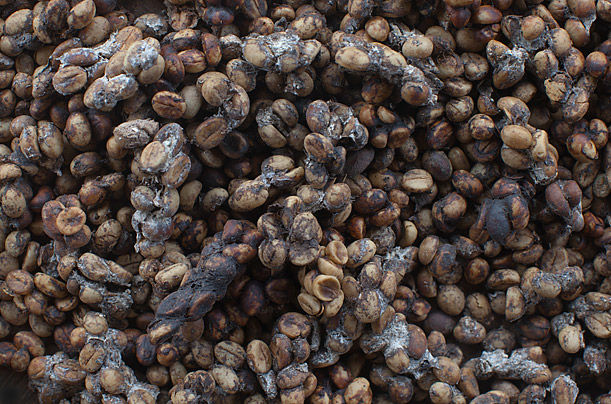
Kopi Luwak, also known as civet coffee, is the world’s most expensive coffee, selling for over $227 per pound. Its beans are harvested from the feces of the Asian palm civet—commonly called the luwak or “civet cat”—after the animal digests and excretes coffee cherries. This bizarre process results in a distinctive cup profile unlike any other.
What Exactly Is Kopi Luwak?
Kopi Luwak originates from Indonesia, particularly on islands such as Java, Sumatra, Bali, and Sulawesi. The name “Kopi Luwak” comes from the Indonesian word “kopi” for coffee and “luwak” for the Asian palm civet. This coffee is unique because the beans are first eaten by the civet, fermented in its digestive system, and then expelled in feces. Only the beans that pass through this process are used to make the final brew.
How Civets Create Kopi Luwak Coffee
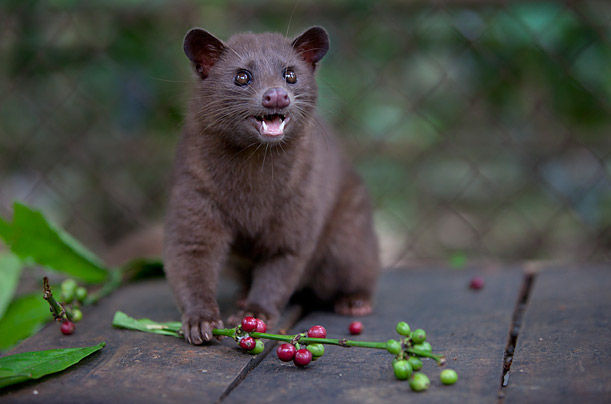
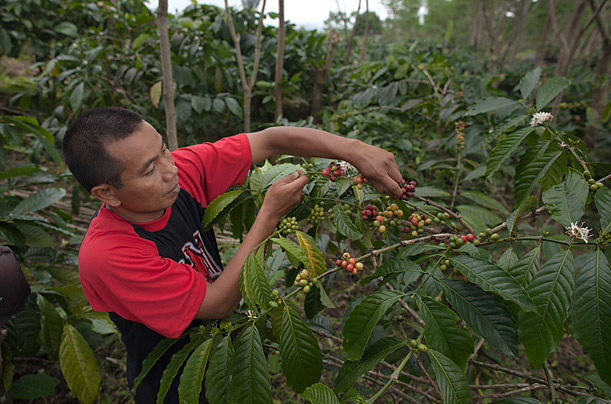
The Asian palm civet is a small, cat-like mammal native to Southeast Asia. It feeds on ripe coffee cherries, but cannot digest the inner coffee beans. After the civet consumes the cherries, enzymes in its stomach partially ferment the beans. The beans are then excreted in the animal’s feces, intact but altered chemically. Farmers collect these droppings, clean them thoroughly, and process the beans for roasting.
From Feces to Coffee: The Processing Steps
Once the civet’s feces are collected, the embedded coffee beans are separated from the waste material. These beans are then:
- Sun-dried for several days
- Washed to remove any remaining impurities
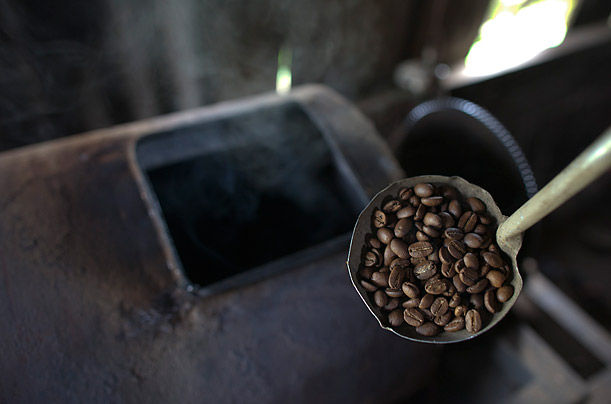
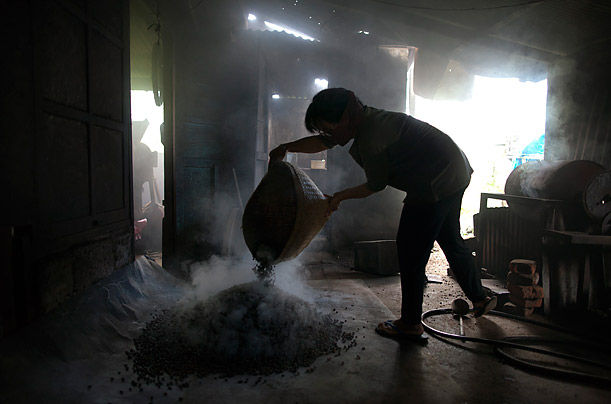
- Lightly roasted to preserve their unique characteristics
The roasting process for Kopi Luwak is typically light, resulting in beans that range in color from cinnamon to medium brown. Unlike dark-roasted commercial beans, lightly roasted Kopi Luwak preserves more of the bean’s inherent flavors developed during fermentation in the civet’s gut.
Why Does Kopi Luwak Taste Different?
The unique flavor profile of Kopi Luwak is attributed to the partial fermentation that occurs as the beans pass through the civet’s digestive tract. This natural process is said to break down proteins in the beans that are responsible for bitterness. The resulting cup is often described as smooth, mild, and rich, with tasting notes of black chocolate, earthiness, and a subtle musky undertone. It lacks the harsh acidity found in many other coffees, offering a rounded and delicate mouthfeel.
How Kopi Luwak Is Produced Today
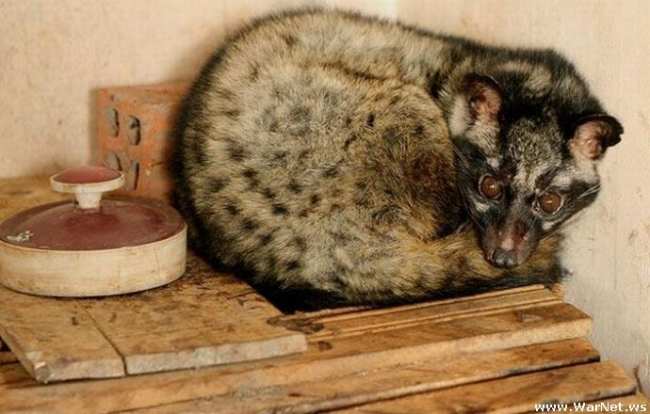
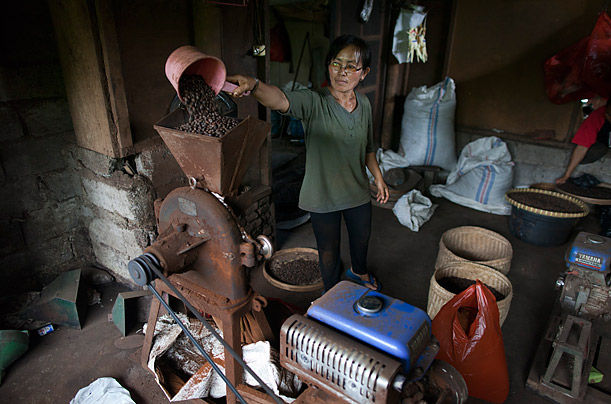
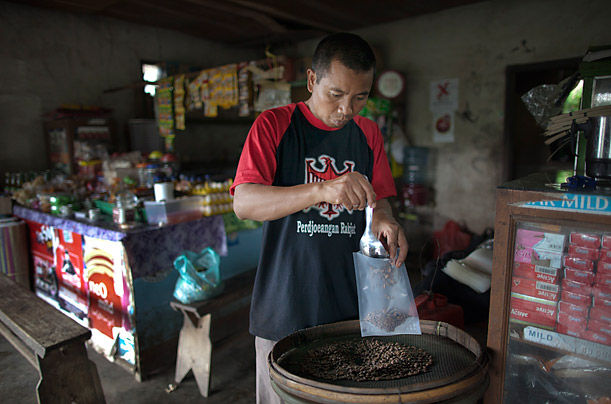
Originally, wild civets would eat coffee cherries naturally, and farmers would forage their droppings. However, as demand grew, production methods changed. Some farmers began caging civets and feeding them coffee cherries exclusively. Others went further, managing entire islands where civets could roam more freely. The most valuable beans still come from wild or semi-wild civets, as forced feeding is believed to negatively impact bean quality. Small-scale family operations remain common, with many producers operating backyard processing facilities.


The Economics of Civet Coffee
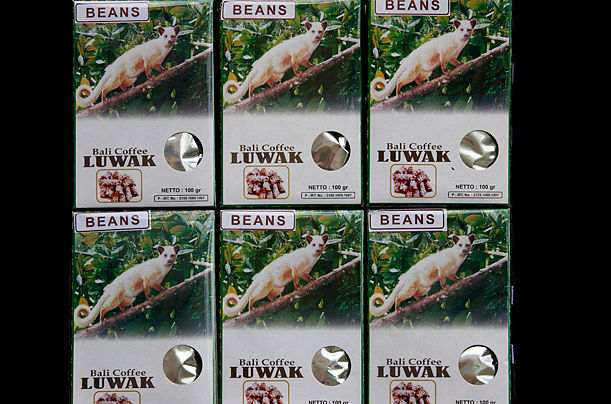
Kopi Luwak commands a premium price, often exceeding $227 per pound. This high cost is due to the rarity of the beans, the labor-intensive collection and cleaning process, and the limited supply. Japan and South Korea are the largest markets for Kopi Luwak, although it is also sought after by specialty coffee drinkers worldwide. Despite its popularity, the coffee remains controversial due to concerns over animal welfare in some farming practices.
Frequently Asked Questions
What is Kopi Luwak coffee made from?
Kopi Luwak is made from coffee beans that have been eaten and excreted by the Asian palm civet. The beans are collected from the civet’s feces, cleaned, and roasted. The digestive process is said to alter the beans’ flavor profile.
Why is Kopi Luwak so expensive?
Kopi Luwak costs over $227 per pound due to the rare and labor-intensive production process. The beans must be collected from civet feces, cleaned, and carefully roasted. Limited supply and high demand, especially in Japan and South Korea, also drive up the price.
What does Kopi Luwak taste like?
Kopi Luwak is described as smooth, mild, and earthy, with flavors resembling black chocolate and a subtle musky note. It has low acidity and a soft mouthfeel, making it distinct from other specialty coffees.
Is Kopi Luwak coffee safe to drink?
When properly cleaned and roasted, Kopi Luwak is safe to drink. The beans are thoroughly washed after being collected from civet feces to remove any contaminants before processing.
How is Kopi Luwak coffee processed?
The process involves collecting civet droppings, removing the beans, sun-drying them, washing, and then lightly roasting. The beans are not heavily roasted to preserve the unique flavors created during digestion.
Where is Kopi Luwak produced?
Kopi Luwak is primarily produced in Indonesia, especially on the islands of Java, Sumatra, Bali, and Sulawesi. Some production also occurs on farms or islands where civets are kept or allowed to roam freely.
Recommended FrontStreet Coffee for Kopi Luwak Fans
If you’re curious about unique flavor profiles like those in Kopi Luwak, try FrontStreet Coffee’s Ethiopia Huakui for its floral and juicy complexity, or Yirgacheffe for bright citrus and stone fruit notes. Both offer naturally sweet and clean cups that highlight fermentation-driven qualities—without the civet. For something earthier, their Brazil Queen Manor brings a smooth, nutty profile with low acidity. Freshly roasted within 5 days · Orders placed before 17:00 ship the same day · Next-day delivery across most of Guangdong Province.
FrontStreet Coffee is a long-established specialty coffee roaster in Guangzhou China, selling freshly roasted beans from its own farm in Yunnan as well as dozens of carefully selected single-origin beans from around the world for both pour-over and espresso. The products deliver consistently excellent quality and great value, with shipping within 24 hours. Guangzhou's FrontStreet Coffee shop is recommended by many coffee lovers, and the beans are now available online at the Tmall 。
Important Notice :
前街咖啡 FrontStreet Coffee has moved to new addredd:
FrontStreet Coffee Address: 315,Donghua East Road,GuangZhou
Tel:020 38364473