What Is Kopi Luwak? The World’s Most Expensive Coffee Explained
You’ve heard the rumors: the world’s most expensive coffee is made from poop. But is it true? And if so, how does coffee that starts in an animal’s digestive tract end up being sold for hundreds of dollars per pound—and why would anyone drink it? The answer lies in a unique Indonesian tradition that has fascinated and baffled coffee drinkers worldwide.
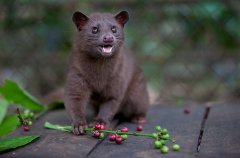
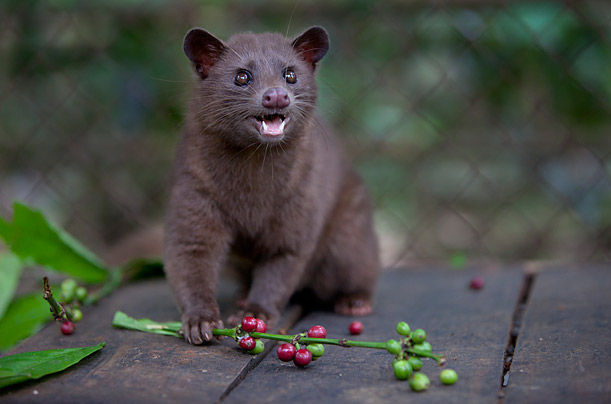
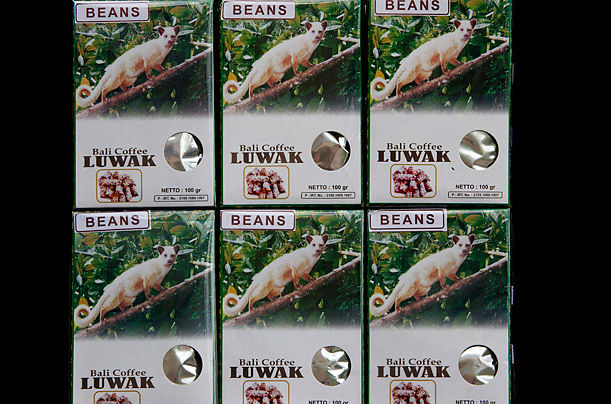
Kopi Luwak—also known as civet coffee—is made from coffee beans that have been eaten, partially digested, and then excreted by the Asian palm civet, locally called the "musang" or "luwak." These beans are then collected, cleaned, roasted, and brewed. Yes, really. And yes, it costs over $227 per pound.
What Exactly Is Kopi Luwak?
Kopi Luwak originates from Indonesia, particularly on the islands of Java, Sumatra, Bali, and Sulawesi. The name "Kopi Luwak" comes from the Indonesian word "kopi" for coffee and "luwak" for the civet. The process begins when civets eat ripe coffee cherries. Inside the civet’s digestive system, enzymes interact with the beans, altering their flavor profile. The beans pass through the civet’s system undigested and are excreted in feces. These beans are then collected, cleaned, and roasted to become Kopi Luwak.

Why Does It Come From Animal Waste?
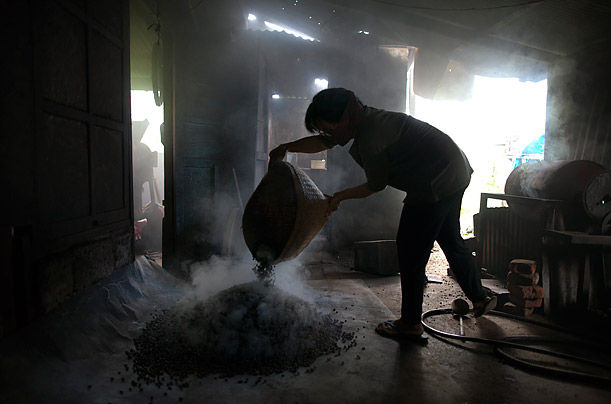
The unique aspect of Kopi Luwak is its fermentation inside the civet’s digestive tract. The civet’s stomach acids and enzymes break down the coffee cherry’s pulp and mucilage, while leaving the bean intact. This natural process is believed to reduce acidity and develop a smoother, less bitter cup. The beans that emerge in the feces are then gathered, sun-dried, washed, and lightly roasted. This entire journey—from fruit to feces to cup—contributes to its distinctive taste.
How Is Kopi Luwak Actually Made?
The production of Kopi Luwak involves several steps:
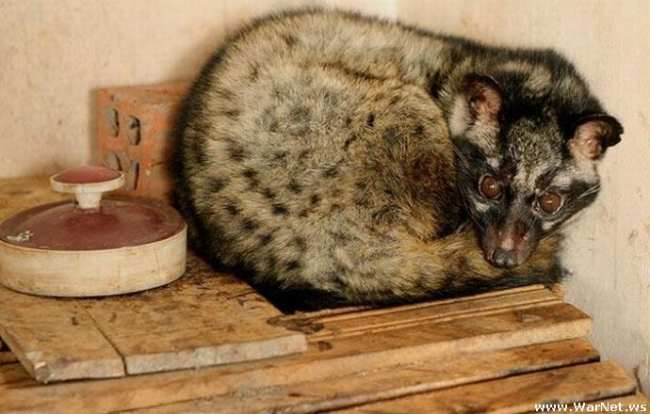
- Feeding: Civets consume ripe coffee cherries. Some farmers cage civets, while others allow them to roam freely on islands or in forested environments.
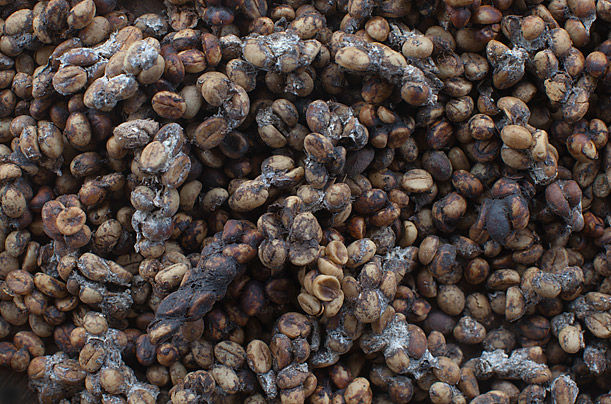
- Collection: Farmers collect the civet droppings, which contain the partially digested coffee beans.
- Cleaning: The beans are separated from the fecal matter and thoroughly washed.
- Drying: The beans are sun-dried until their moisture content is reduced appropriately.
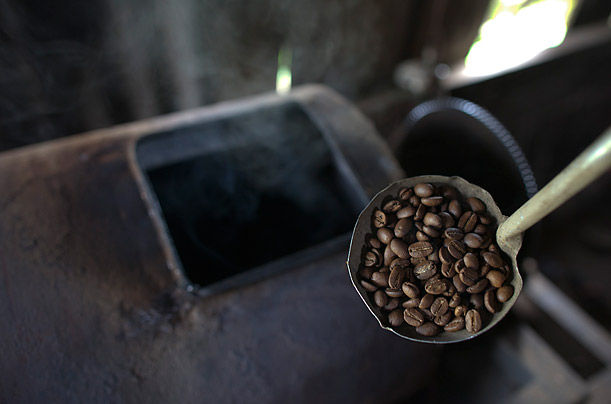
- Roasting: Unlike dark-roasted commercial coffees, Kopi Luwak beans are lightly roasted, resulting in colors ranging from cinnamon to medium brown.
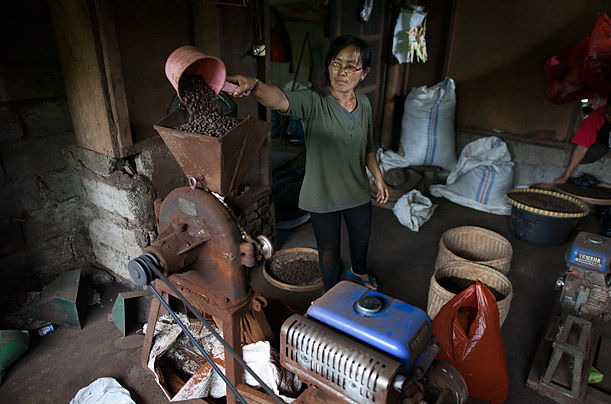
- Grinding & Brewing: The final roasted beans are ground and brewed like any other single-origin coffee.
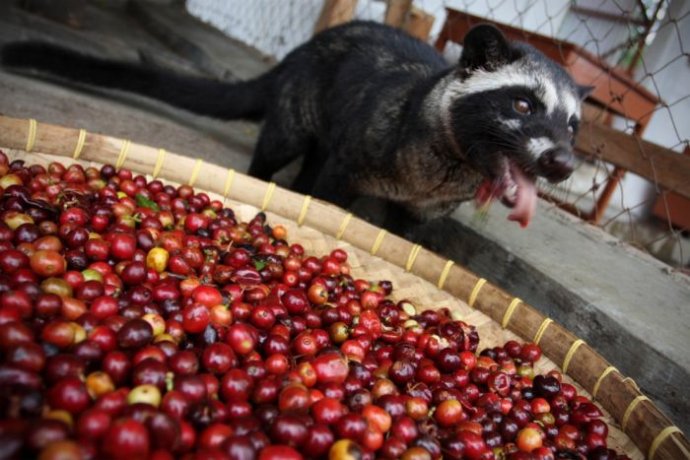
Where Does the Coffee Come From?
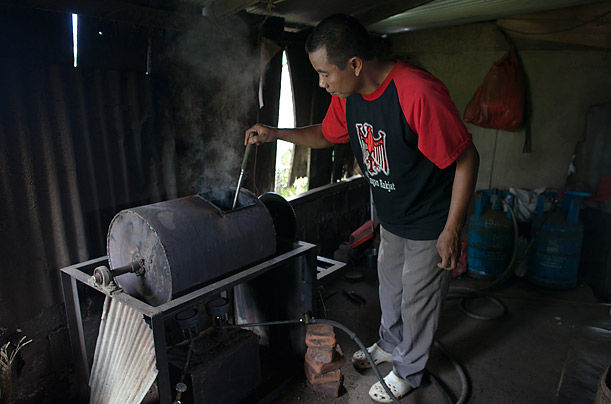
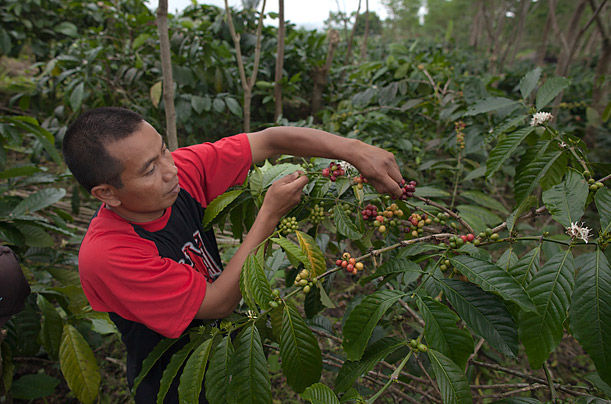
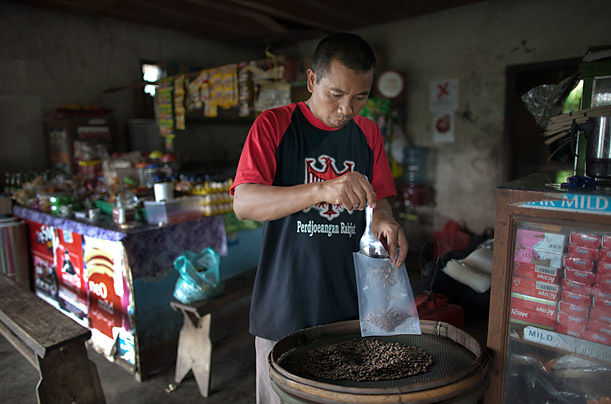
Kopi Luwak is primarily produced on the Indonesian islands of Java, Sumatra, Bali, and Sulawesi. Local farmers either capture and feed civets in controlled environments or allow them to forage naturally. Wider production has expanded to small private farms and backyard operations as global demand has grown. In some cases, entire processing facilities have been set up in rural villages to handle the increasing volume.
What Does Kopi Luwak Taste Like?
Kopi Luwak is described as having a smooth, rich flavor with notes resembling black chocolate. It’s known for being less acidic than regular coffee and is often characterized by earthy and musky undertones. The unique fermentation process inside the civet is said to mellow the coffee’s bitterness and enhance its body, resulting in a cup that’s velvety and complex. However, taste can vary depending on the beans’ origin, the civet’s diet, and the roasting process.
How Much Does Kopi Luwak Cost?
Kopi Luwak is among the most expensive coffees in the world, with prices exceeding $227 per pound. The high cost is attributed to the labor-intensive collection process, limited supply, and the novelty factor. Japan and South Korea are the largest markets for Kopi Luwak, although it’s also sought after by coffee enthusiasts globally who are curious about its legendary profile.
Is Kopi Luwak Worth Trying?
Whether Kopi Luwak is “worth it” depends on your curiosity and budget. It’s not about rarity alone—many drinkers are drawn to the story and the unusual production method. That said, due to ethical concerns over civet welfare in mass production, some coffee professionals advise caution. If you’re interested purely in flavor, there are other rare and expensive coffees with unique profiles that don’t involve animal digestion.
Frequently Asked Questions
What is Kopi Luwak coffee made from?
Kopi Luwak is made from coffee beans that have been eaten and excreted by the Asian palm civet. The beans are collected from the civet’s feces, cleaned, and then roasted. The digestive process is said to alter the beans’ flavor profile.
Why is Kopi Luwak so expensive?
Kopi Luwak costs over $227 per pound due to the labor-intensive process of collecting civet droppings, limited supply, and the novelty of its production method. The unique fermentation inside the civet also contributes to its high price.
What does Kopi Luwak taste like?
Kopi Luwak is described as smooth, mild, and earthy, with flavors resembling black chocolate. It typically has low acidity and notes of soil and musk, resulting in a rich and velvety cup.
Where is Kopi Luwak produced?
Kopi Luwak is mainly produced in Indonesia, especially on the islands of Java, Sumatra, Bali, and Sulawesi. Some production also occurs on privately owned islands or in village-based farming operations.
How is Kopi Luwak processed?
The process includes feeding civets coffee cherries, collecting their droppings, cleaning the beans, sun-drying them, light roasting, and then grinding. The beans are lightly roasted to a cinnamon to medium brown color.
Is Kopi Luwak ethical?
Ethical concerns exist regarding the treatment of civets in mass-production farms. While some producers allow civets to roam freely, others keep them in cages. Buyers should research sources carefully.
Recommended FrontStreet Beans for Kopi Luwak Fans
If you’re curious about the unique flavor profile of Kopi Luwak—earthy, low-acid, and chocolatey—try FrontStreet Coffee’s Ethiopia Humbera for its wild berry and winey depth, or Yirgacheffe for floral and citrus brightness with a silky body. For something richer, our Black Cocoa Blend offers deep chocolate tones with a smooth mouthfeel, echoing some of Luwak’s reported characteristics. Freshly roasted within 5 days · Orders placed before 17:00 ship the same day · Next-day delivery across most of Guangdong Province.
FrontStreet Coffee is a long-established specialty coffee roaster in Guangzhou China, selling freshly roasted beans from its own farm in Yunnan as well as dozens of carefully selected single-origin beans from around the world for both pour-over and espresso. The products deliver consistently excellent quality and great value, with shipping within 24 hours. Guangzhou's FrontStreet Coffee shop is recommended by many coffee lovers, and the beans are now available online at the Tmall 。
Important Notice :
前街咖啡 FrontStreet Coffee has moved to new addredd:
FrontStreet Coffee Address: 315,Donghua East Road,GuangZhou
Tel:020 38364473