Colombian Coffee Beans: What Makes Them Special?
If you’ve ever bought a bag of ‘Colombian coffee’ and wondered what sets it apart, you’re not alone. This South American country has built a global reputation around one specific type of coffee bean—and it’s not just marketing. Colombia exports more washed Arabica than almost any other nation, and its beans are famous for balance, sweetness, and a particular kind of smooth brightness. But why exactly is Colombian coffee so consistent, and what should you really expect when you brew a cup?
Colombia is the world’s second-largest coffee producer, responsible for around 12% of global output. Most of that is high-altitude washed Arabica, renowned for its quality. Unlike Brazil, which leads in volume but focuses more on natural processed beans, Colombia is known for carefully cultivated, wet-processed coffees with distinct regional character.
What Is Colombian Coffee—Really?
Colombian coffee isn’t a single flavor profile, but a system. It’s one of the few coffees sold internationally under a country name—and for good reason. The country grows almost exclusively Arabica, with minimal Robusta production. More importantly, it processes nearly all of its coffee using the washed (wet) method, contributing to its clean, bright, and consistent taste. Colombia is the largest exporter of washed Arabica beans in the world.
Where Colombian Coffee Comes From
The heart of Colombian coffee production lies in the Andes Mountains, which split the country into three parallel ranges. These high-altitude valleys create ideal microclimates for coffee cultivation. The central and eastern cordilleras host most of the well-known coffee-growing regions. Key market names include:
- Medellin – Bold body, rich aroma, balanced acidity
- Armenia – Slightly softer than Medellin
- Manizales – Similar to Medellin but less vibrant in acidity
- Bogota – Mild, nuanced, from the capital region
- Bucaramanga – Full-bodied with low acidity, reminiscent of Sumatra
These five regions are often grouped and traded together under the label ‘MAM’, shorthand for Medellin, Armenia, and Manizales. A ‘MAM’ coffee offers a similar body and aroma to Medellin but with lower acidity. Bucaramanga, meanwhile, is thicker and fruit-forward in a more Indonesian style, with subdued acidity.
How Colombian Coffee Is Graded
Colombian coffee is graded primarily by bean size and density. The top grade is called ‘Supremo’—the largest and most uniform beans. The next level is ‘Extra’, slightly smaller but still high quality. In practice, both are often grouped and sold as ‘Excelso’, a broader commercial grade that still represents high-quality beans.
The finest Colombian beans share traits with Costa Rica or Hawaii Kona coffees: balanced, not extreme. They have a medium body—not as heavy as Sumatra—rich aromas—but not as floral as Jamaica Blue Mountain—and bright acidity—but not as sharp as Antigua. Many also carry a subtle caramel or pudding-like sweetness, with a smell closer to milk pancakes than citrus. That makes them highly versatile in blends, though they stand well on their own.
Flavor, Roast, and Cup Profile
Colombian beans typically shine when roasted to a medium or medium-dark level. The common cup profile includes:
- Acidity: Present but approachable
- Sweetness: Caramel, chocolatey, sometimes nutty
- Body: Medium to medium-full
- Flavor notes: Chocolate, nuts, caramel, mild fruits
These coffees often lack extreme tasting notes but offer a rounded, satisfying experience. Over the decades, many older, more distinctive cultivars have been replaced with higher-yield but blander varieties, leading some experts to note a decline in complexity since the 1970s.
Why Does Colombian Coffee Taste the Way It Does?
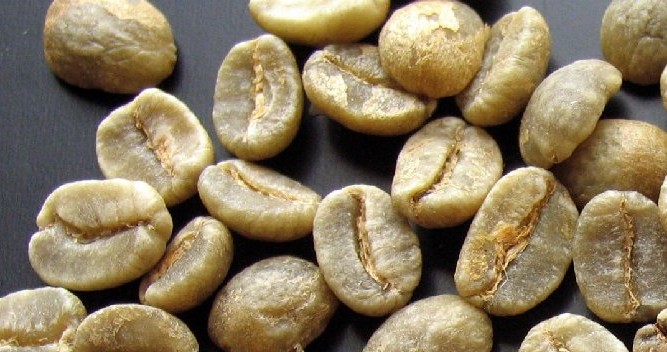
The unique taste of Colombian coffee comes down to elevation, processing, and climate. Coffee in Colombia is grown between 800 and 2,300 meters above sea level, much of it in the Andes. The mountainous geography creates varied microclimates with plenty of shade, cool temperatures, and stable humidity. Coffee cherries ripen slowly in these conditions, allowing for greater development of sugars and aromatic compounds. Most Colombian coffee is processed using the washed method, which enhances clarity and accentuates acidity while maintaining a clean cup.
This combination of factors explains why Colombian coffee tends to be balanced rather than wild—why it has body without heaviness, aroma without overpowering florals, and acidity without harshness. It also explains why certain regions, especially those at higher elevations like Huila, produce more distinctive and sought-after lots.
Frequently Asked Questions
What is the most famous Colombian coffee region?
The most recognized Colombian coffee markets are Medellin, Armenia, and Manizales (grouped as MAM), along with Bogota and Bucaramanga. MAM coffees are known for bold body, rich aroma, and balanced acidity, while Bucaramanga offers a fuller, lower-acid profile similar to Indonesian beans.
How is Colombian coffee graded?
Colombian coffee is graded by bean size: ‘Supremo’ is the largest and highest grade, followed by ‘Extra’. Both are often sold together as ‘Excelso’, which is still considered high quality, if slightly more commercial.
What does Colombian coffee taste like?
Colombian coffee is typically balanced, with medium body, moderate to bright acidity, and notes of caramel, chocolate, nuts, or mild fruits. It often has a subtle sweet, almost dessert-like quality, making it versatile for both single-origin and blended brews.
What roast level is best for Colombian coffee?
Colombian coffee shines at medium to medium-dark roast levels. These bring out its inherent sweetness and balance without masking its natural acidity or aromatic complexity.
Is Colombian coffee mostly washed or natural process?
Almost all Colombian coffee is washed (wet-processed). This contributes to its clean cup, bright acidity, and consistent quality, distinguishing it from countries with higher volumes of natural or dry-processed beans.
Why has Colombian coffee changed over the decades?
Since the 1970s, many traditional coffee varieties in Colombia have been replaced with higher-yield, disease-resistant cultivars. While this boosted production, many coffee experts feel the newer beans are less complex and more generic in flavor.
Recommended FrontStreet Beans from Colombia
FrontStreet Coffee’s FrontStreet Colombian Huila is a great example of high-elevation Colombian flavor: it offers notes of chocolate, hazelnut, and caramel, with a well-balanced acidity and a smooth mouthfeel. For something more classic, the FrontStreet Colombian Supremo (MAM blend) delivers a bold body and rich aroma akin to Medellin-type beans, suitable for espresso or filter. Both showcase Colombia’s signature washed-process clarity and sweetness. Freshly roasted within 5 days · Orders placed before 17:00 ship the same day · Next-day delivery across most of Guangdong Province.
FrontStreet Coffee is a long-established specialty coffee roaster in Guangzhou China, selling freshly roasted beans from its own farm in Yunnan as well as dozens of carefully selected single-origin beans from around the world for both pour-over and espresso. The products deliver consistently excellent quality and great value, with shipping within 24 hours. Guangzhou's FrontStreet Coffee shop is recommended by many coffee lovers, and the beans are now available online at the Tmall 。
Important Notice :
前街咖啡 FrontStreet Coffee has moved to new addredd:
FrontStreet Coffee Address: 315,Donghua East Road,GuangZhou
Tel:020 38364473