What a Coffee Cherry Looks Like: Anatomy & Process
If you’ve ever wondered what’s inside a coffee cherry—the fruit that hides your favorite espresso or pour-over bean—you’re not alone. Most coffee drinkers never see the fruit itself. But understanding the coffee cherry helps explain why coffee tastes the way it does, and how processing methods affect your brew. Let’s break down the coffee cherry’s anatomy and the journey from fruit to roasted bean, with clear diagrams and exact steps.
In short: a coffee cherry has an outer skin, pulp, mucilage, parchment, silverskin, and finally the coffee bean—usually two per cherry. The bean is the only part we roast. From harvest to roast, the fruit layers are either removed or dried, depending on whether it’s washed, natural, or honey processed.
What Is a Coffee Cherry?
A coffee cherry is the fruit produced by the coffee plant. Though we call it a cherry, it’s botanically a drupe—a stone fruit like a peach or plum. Each mature cherry usually holds two coffee seeds (beans), though some have just one (called peaberries). The coffee bean is protected by several layers that must be removed before roasting. The outer parts of the cherry influence flavor, especially in natural and honey processing methods.
Coffee Cherry Anatomy: Layer by Layer
The coffee cherry has six main layers, from the outside in:
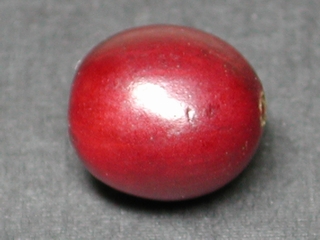
- Outer Skin (Exocarp): The red or yellow skin you see when the cherry is ripe. It’s thin and smooth, and starts to soften as the fruit matures.
- Pulp (Mesocarp): The juicy, sweet fruit layer beneath the skin. This is what makes natural-processed coffees taste fruity. It’s rich in sugars and acids.
- Mucilage: A sticky, gelatinous layer that surrounds the parchment. It’s full of sugars and is key in honey processing. Removing it requires water or fermentation.
- Parchment (Endocarp): A tough, parchment-like husk that encases the bean. It protects the seed during drying and storage. It’s removed during milling, just before roasting.
- Silverskin (Epidermis): A thin, papery layer that clings to the green bean. Most of it falls off during roasting, sometimes appearing as chaff.
- Bean (Seed): The part we roast. Usually two per cherry, flat on one side, round on the other. A small percentage of cherries produce a single round bean called a peaberry.
How Many Beans Are in a Coffee Cherry?
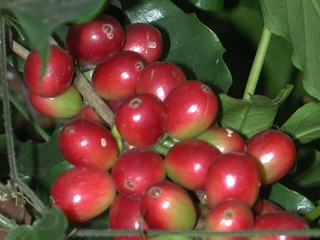
Most coffee cherries contain two beans. These are flat on one side where they touch each other, and round on the other. About 5% of cherries produce a single bean instead—this is called a peaberry. Peaberries are often separated and sold separately, as they sometimes roast more evenly and develop distinct flavors.
From Cherry to Green Bean: The Processing Steps
Turning a coffee cherry into a green coffee bean ready for roasting involves several key steps. The exact method depends on the processing style—washed, natural, or honey. Here’s how it generally works:
- Harvesting: Ripe cherries are picked by hand or machine. Only fully red or yellow cherries are selected for specialty coffee.
- Processing:
- Washed (Wet) Process: The skin, pulp, and mucilage are removed using a depulper and fermentation. Only the parchment-covered bean remains, which is then dried.
- Natural (Dry) Process: The whole cherry is dried in the sun with all layers intact. The fruit dries around the bean, leading to intense fruity flavors.
- Honey (Pulped Natural) Process: The skin and pulp are removed, but some or all of the mucilage is left on the bean while it dries. This creates a balance between washed and natural flavors.
- Drying: The beans (still in parchment) are dried to around 11% moisture content. Drying time varies from 10 to 21 days depending on climate and method.
- Milling: The dried parchment is removed in a hulling machine, revealing the green bean underneath. The silverskin may remain on the bean.
- Sorting & Export: The green beans are sorted by size and density, then bagged for export. At this stage, they’re ready for roasting.
Each process affects flavor differently. Natural processing highlights fruity and fermented notes. Washed processing emphasizes clarity and acidity. Honey processing offers a balance of body and sweetness.
What Does a Coffee Bean Look Like Inside the Cherry?
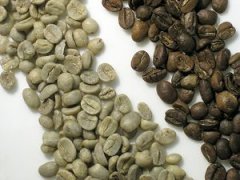
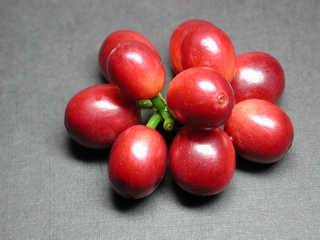
When you open a fresh coffee cherry, you’ll typically find two greenish coffee beans nestled flat against each other inside the pulp. These beans are encased in the parchment layer, which protects them during drying. In rare cases, you’ll find a single round bean—the peaberry. The bean itself is hard and undeveloped at this stage, and only turns brown after roasting.
The raw bean is pale green or bluish, and lacks the flavors you recognize in brewed coffee. Those develop during roasting through chemical changes like the Maillard reaction. Before roasting, the bean contains moisture (typically 11–12%), caffeine, chlorogenic acids, and other compounds that will transform under heat.
Why Processing Matters
The way a coffee cherry is processed directly influences the flavor of the roasted bean. In natural processing, the bean sits in the fruit for weeks, absorbing sugars and acids that create winey, fruity profiles. Washed processing removes the fruit early, leading to cleaner, brighter cups. Honey processing leaves some fruit sugars on the bean, creating a heavier mouthfeel and sweeter cup.
Even within the same origin, processing can change the flavor profile dramatically. For example, a Yirgacheffe processed naturally may taste juicy and berry-like, while the same beans washed might taste floral and citrusy.
Frequently Asked Questions
What is the difference between a coffee cherry and a coffee bean?
A coffee cherry is the fruit of the coffee plant, with layers including skin, pulp, mucilage, and parchment. The coffee bean is the seed inside the cherry—the part we roast and brew. Each cherry usually holds two beans, though a small percentage are peaberries (single round beans).
How many coffee beans are in one coffee cherry?
Most coffee cherries contain two beans. Approximately 5% of cherries produce a single bean, known as a peaberry, which is round rather than flat on one side.
What are the layers of a coffee cherry?
The coffee cherry has six layers: outer skin (exocarp), pulp (mesocarp), mucilage, parchment (endocarp), silverskin (epidermis), and the coffee bean (seed). The outer layers are removed during processing, leaving the green bean.
What does a coffee bean look like before roasting?
Before roasting, a coffee bean is green, blue-green, or pale, and has a dry, hard texture. It hasn’t yet developed the flavors associated with brewed coffee. Roasting triggers chemical reactions that create aroma and flavor.
What is the pulp of a coffee cherry?
The pulp is the juicy, sweet layer beneath the cherry’s skin. It’s rich in sugar and contributes to the fruitiness of natural-processed coffee. It’s removed in washed processing but stays on in natural processing.
How is the coffee bean removed from the cherry?
The bean is removed by first stripping the outer skin and pulp (often with a depulper), then fermenting or washing to remove the mucilage. Finally, the bean is dried with the parchment layer still on, and milled to remove the parchment before roasting.
Recommended FrontStreet Beans for Coffee Cherry Lovers
Explore the origin flavors hidden in coffee cherries with FrontStreet’s Ethiopia Humbera, a natural-processed Yirgacheffe offering jasmine, bergamot, and blueberry. For honey-process fans, try Kenya Little Tomato: a vibrant Sidamo-Kenya blend with blackcurrant, lime, and brown sugar. Both showcase how processing shapes cherry fruit into cup character. Freshly roasted within 5 days · Orders placed before 17:00 ship the same day · Next-day delivery across most of Guangdong Province.
FrontStreet Coffee is a long-established specialty coffee roaster in Guangzhou China, selling freshly roasted beans from its own farm in Yunnan as well as dozens of carefully selected single-origin beans from around the world for both pour-over and espresso. The products deliver consistently excellent quality and great value, with shipping within 24 hours. Guangzhou's FrontStreet Coffee shop is recommended by many coffee lovers, and the beans are now available online at the Tmall 。
Important Notice :
前街咖啡 FrontStreet Coffee has moved to new addredd:
FrontStreet Coffee Address: 315,Donghua East Road,GuangZhou
Tel:020 38364473