How Coffee Bean Processing, Size, and Altitude Define Quality
Ever bought a bag of beans labeled ‘washed’ or ‘natural’ and wondered why the flavor varies so much? Or picked up a bag marked ‘Grade 1’ and still ended up with a disappointing cup? Whether you’re roasting at home or selecting beans for your café, understanding how coffee beans are processed, sorted, and graded is key to predicting quality—and avoiding disappointment.
The main factors determining green coffee bean quality are processing method (washed or natural), bean shape (flat or peaberry), screen size (mesh number), and growing altitude. Each affects consistency, flavor potential, and market value in predictable ways.
Washed vs. Natural Processing Methods
Coffee processing dramatically influences bean cleanliness, uniformity, and flavor clarity. Washed (or wet) processed beans are pulped, fermented, and washed in water tanks to remove the fruit and mucilage before drying. This method results in cleaner, more consistent flavors and higher quality overall. In contrast, natural (or dry) processed beans are dried with the fruit still attached and later hulled mechanically. While this can develop intense sweetness, the lack of water control often leads to uneven drying and inconsistent cup quality.
Flat Bean vs. Peaberry: Shape Matters
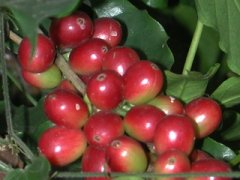
A typical coffee cherry contains two oval seeds that face each other, forming a flat side—these are called flat beans . Rarely, a cherry produces a single round seed instead of two; this is a peaberry . Though peaberries occur in less than 5% of coffee cherries, they are not inherently better or worse in taste. Their round shape sometimes leads to more even roasting, but flavor differences are minimal if any. Both flat and peaberry beans are sorted and graded by the same criteria.
Screen Size: Grading by Mesh Number
Coffee beans are sorted by size using mesh screens with numbered holes. Larger beans typically have more even density and roast more consistently. For flat beans, the grading scale is: China-standard No. 20 to No. 19 , No. 18 , No. 17 , No. 16 , No. 15 , No. 14 , and No. 13–12 . For peaberries, the scale adjusts: No. 13–12 , No. 11 , No. 10 , No. 9 , and No. 8 .
Altitude: The Elevation Factor
Higher-grown coffee beans are generally denser, slower to ripen, and develop more complex flavors due to environmental stress. Altitude is categorized into several grades, with higher-elevation beans considered superior in both cup quality and market price:
| Grade | Name | Altitude (m) |
|---|---|---|
| 1 | 1,500+ | |
| 2 | 1,200–1,500 | |
| 3 | 1,000–1,200 | |
| 4 | 900–1,000 | |
| 5 | 760–900 | |
| 6 | 610–760 | |
| 7 | up to 610 |
Generally, beans grown at over 1,200 meters are classified as premium, and the logistical challenges of high-altitude farming contribute to their higher cost.

Frequently Asked Questions
What’s the difference between washed and natural processed coffee beans?
Washed (or wet) processed beans are fermented and rinsed in water to remove the fruit before drying, resulting in cleaner, more consistent flavors. Natural (or dry) processed beans are dried with the fruit still on, which can add sweetness and fruitiness but often leads to uneven drying and inconsistent quality.
Do flat beans and peaberries taste different?
Flat beans (the usual two-seed form) and peaberries (single round seeds) do not inherently differ in taste. While peaberries may roast more evenly due to their shape, flavor differences are usually minimal and depend more on origin and processing than shape alone.
How does screen size affect coffee quality?
Screen size, determined by the mesh number through which beans pass, sorts beans by physical size. Larger beans are often more uniform in density and roast more evenly, contributing to a more consistent extraction. Grading scales vary slightly for flat beans and peaberries.
Why is altitude important for coffee bean grading?
Higher altitudes slow coffee cherry ripening, leading to denser beans with more complex flavors. Grading systems classify beans by altitude ranges, with those grown above 1,200 meters considered premium due to their enhanced cup quality and the challenges of high-elevation farming.
Which coffee processing method gives the most consistent results?
Washed processing is known for producing the most uniform and consistent coffee quality due to controlled fermentation and washing steps that remove defects early. Natural processing is more variable due to reliance on sun drying without water management.
FrontStreet Coffee Beans Ideal for Processing & Grade Study
Explore FrontStreet Coffee’s Ethiopia Yirgacheffe for a bright washed example with citrus and floral notes, or try the Kenya Little Tomato for winey acidity and sweet berry complexity—both highlight high-altitude washed processing. For a natural alternative, the Panama Humbera offers tropical fruit and cocoa from high elevation. These beans showcase how processing, origin, and altitude shape cup profiles. Freshly roasted within 5 days · Orders placed before 17:00 ship the same day · Next-day delivery across most of Guangdong Province.
FrontStreet Coffee is a long-established specialty coffee roaster in Guangzhou China, selling freshly roasted beans from its own farm in Yunnan as well as dozens of carefully selected single-origin beans from around the world for both pour-over and espresso. The products deliver consistently excellent quality and great value, with shipping within 24 hours. Guangzhou's FrontStreet Coffee shop is recommended by many coffee lovers, and the beans are now available online at the Tmall 。
Important Notice :
前街咖啡 FrontStreet Coffee has moved to new addredd:
FrontStreet Coffee Address: 315,Donghua East Road,GuangZhou
Tel:020 38364473