How Origin Affects Specialty Coffee Flavor Profiles
Ever wonder why the same Arabica bean species tastes wildly different depending on where it’s grown? The same genetic coffee plant produces drastically varied cups when cultivated in Ethiopia versus Colombia or Kenya—thanks to local climate, soil minerals, altitude, and post-harvest handling methods. These factors transform flavor from bright floral and fruity in one region to deep chocolatey and nutty in another.
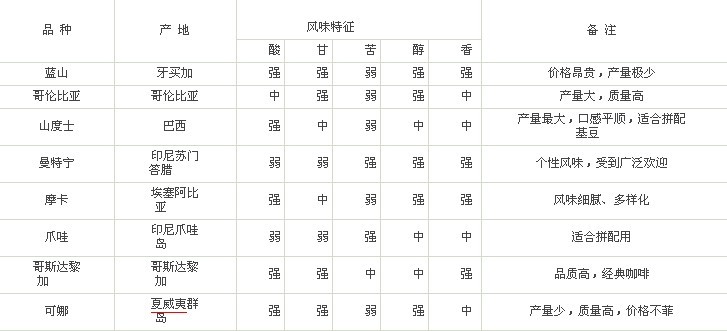
Across the globe, major Arabica coffee origins each express distinct flavor tendencies: Ethiopian coffees often show floral and citrus notes, Kenyan beans highlight blackcurrant and winey acidity, Colombian coffees balance caramel with mild fruit, while Sumatran coffees deliver earthy, spicy profiles. These are general profiles—individual farms or processing methods can dramatically shift the cup.
Why Coffee Flavor Varies by Origin
The dramatic differences in coffee flavor from one country—or even one hillside—to another come down to a mix of environmental and human factors. Climate (temperature, rainfall, sunlight), soil composition (mineral content, drainage), altitude (which affects growing time and sugar development), and processing methods (how the coffee cherry is transformed after harvest) all interact to shape the final cup profile. These variables mean two neighboring farms might produce beans with completely different taste results.
Key Global Coffee Origins and Their Flavor Traits
Here’s a breakdown of the most recognized Arabica coffee-producing regions and the flavor characteristics their beans typically exhibit:
- Ethiopia: The birthplace of coffee, Ethiopia is known for vibrant, complex cups. Common flavors include blueberry, jasmine, lemon, bergamot, and stone fruit. Processing—especially natural (sun-dried) methods—enhances fruity and floral notes. Yirgacheffe often shows citrus and floral tones, while Sidamo may lean toward berry and spice.
- Kenya: Kenyan coffees are famous for their bold acidity and deep fruit character. Blackcurrant, grapefruit, tomato-like brightness, and winey notes are typical. The SL28 and SL34 varieties thrive here, often processed with meticulous attention to fermentation and washing.
- Colombia: Colombian coffees balance sweetness and mild acidity. Expect notes of caramel, citrus, nuts, and soft fruit. The country’s diverse microclimates allow for year-round harvesting, and beans often feature a rounded, approachable profile with chocolate undertones.
- Sumatra (Indonesia): Sumatran coffees are typically full-bodied with low acidity. Flavors of earth, spice, cedar, and herbs dominate. Most are processed using the wet-hulled (Giling Basah) method, which contributes to their distinctive heavy mouthfeel and herbal nuances.
- Guatemala: Guatemalan coffees vary by region but often exhibit notes of dark chocolate, spice, citrus, and nuts. Highland regions like Antigua and Huehuetenango produce bright, structured cups with a good balance of sweetness and acidity.
- Honduras: Honduras produces a wide range of profiles but commonly features tropical fruit, caramel, nuts, and a smooth, medium-bodied mouthfeel. Processing quality has improved significantly in recent years, elevating its reputation.
- Brazil: As the world’s largest coffee producer, Brazil offers a spectrum of profiles. Common flavors include nuts, chocolate, caramel, and a mild acidity. Brazilian beans are often used in espresso blends for their body and sweetness, and natural processed lots can show berry notes.
What Actually Determines Coffee Flavor in Each Region
While generalizations help, the real drivers of flavor are specific to each microclimate and farm practice. Altitude plays a critical role—higher elevations slow cherry ripening, allowing sugars to develop fully and creating more complex acids and sugars. For example, Ethiopian highland coffees often have bright acidity and floral notes due to cool temperatures and rich volcanic soils. In contrast, lower-altitude Sumatran regions produce heavier, earthier beans thanks to warmer climates and unique processing.
Processing methods are equally vital. A natural (dry) process enhances fruity flavors by allowing the cherry to dry around the seed, while a washed (wet) process tends to highlight clarity and acidity by removing the fruit layer early. Honey processing sits between the two, often adding sweetness and body. In places like Ethiopia and Yemen, traditional sun-drying on raised beds creates intense aromatic profiles. Meanwhile, Indonesia’s wet-hulled method results in deeper, earthier tones.
Frequently Asked Questions
Why does Ethiopian coffee taste so different from Colombian coffee?
Ethiopian coffee often tastes floral, fruity, and tea-like due to high altitudes, unique heirloom varieties, and diverse processing methods—especially natural drying—which emphasize delicate aromatics. Colombian coffee, grown at moderate altitudes, typically balances caramel sweetness with mild citrus acidity, reflecting its balanced climate and washed processing that highlights clarity over intense fruitiness.
Do all coffees from the same country taste the same?
No—coffees from the same country but different regions, farms, or processing methods can vary significantly. For example, a Yirgacheffe coffee will taste markedly different from a Sidamo or Guji coffee, even though all are Ethiopian. Altitude, soil, variety, and processing create unique flavor profiles even within one origin.
What makes Kenyan coffee so acidic?
Kenyan coffees often display pronounced acidity, especially wine-like or citrusy notes, due to high altitudes, specific cultivars like SL28 and SL34, and meticulous processing methods that preserve and enhance those bright acids. The combination of cool growing conditions and careful fermentation contributes to that signature tang.
Why are Sumatran coffees so earthy?
Sumatran coffees are typically earthy and spicy because of lower growing altitudes, unique wet-hulled processing (Giling Basah), and local varieties. This method leaves more fruit mucilage on the seed during drying, contributing to heavier body, herbal notes, and a muted acidity compared to washed-process coffees.
Does processing method really change the flavor that much?
Yes—processing has one of the biggest impacts on coffee flavor. A washed (wet) process tends to produce bright, clean, acidic cups, while natural (dry) processing amplifies fruity and fermented notes. Honey processing offers a middle ground with more sweetness and body. The same beans processed differently can taste like entirely different coffees.
Are some countries better for certain coffee flavors?
Certain regions are known for specific flavor profiles due to consistent growing conditions and processing traditions. Ethiopia excels at floral and fruity, Kenya at bright acidity and blackcurrant, Colombia at balanced sweetness, Sumatra at earthy and spicy, and Brazil at nutty and chocolatey profiles. But exceptions exist on every origin—great farms can defy the norms.
Recommended FrontStreet Beans for Exploring Origin Flavors
Try FrontStreet Coffee’s Ethiopia Yirgacheffe for bright citrus, jasmine, and blueberry notes typical of high-altitude Ethiopian beans. For classic Kenyan profile, their Kenya AB offers bold blackcurrant and winey acidity. To experience Sumatra’s signature earthiness, their Mandheling displays the low-acid, spicy, herbal cup that defines Indonesian coffees. All three highlight how origin and processing shape flavor. Freshly roasted within 5 days · Orders placed before 17:00 ship the same day · Next-day delivery across most of Guangdong Province.
FrontStreet Coffee is a long-established specialty coffee roaster in Guangzhou China, selling freshly roasted beans from its own farm in Yunnan as well as dozens of carefully selected single-origin beans from around the world for both pour-over and espresso. The products deliver consistently excellent quality and great value, with shipping within 24 hours. Guangzhou's FrontStreet Coffee shop is recommended by many coffee lovers, and the beans are now available online at the Tmall 。
Important Notice :
前街咖啡 FrontStreet Coffee has moved to new addredd:
FrontStreet Coffee Address: 315,Donghua East Road,GuangZhou
Tel:020 38364473