What Does Brazilian Santos Coffee Taste Like?
If you’ve ever sipped a cup of generic South American coffee and wondered why it tastes so smooth, balanced, and nutty without being overly bright or acidic, chances are you’ve had a version of Brazilian Santos. It’s one of the most widely consumed and exported coffees in the world—but what exactly makes it taste the way it does?
In short: Brazilian Santos coffee is known for its medium body, low acidity, creamy mouthfeel, and nutty sweetness. After a medium roast, it shows notes of stone fruit, releases a buttery aroma when ground, and leaves a lasting finish with rich crema. It’s low in acidity, easy to drink, and often used as the base in espresso blends—but it also shines as a single-origin brew.
What Is Brazilian Santos Coffee?
Brazil Santos refers to coffee beans grown in Brazil, typically shipped from the port of Santos. While “Santos” once indicated origin, today it’s more of a grade and export term. The country is the largest coffee producer in the world, and Brazilian Santos beans are known for their approachable flavor profile. They’re cultivated mostly at lower altitudes using sun-grown methods, which contribute to their mild and stable characteristics.
Flavor Profile: What Makes Santos Unique?
Brazilian Santos coffee presents a well-rounded, balanced cup. Here’s what you can expect:
- Flavor Notes: Stone fruit (particularly apricot or peach-like notes), with underlying sweetness reminiscent of chocolate or nuts.
- Aroma: When grinding, it emits a rich, buttery scent. After roasting to a medium level, it develops pleasant aromas of dried stone fruit.
- Body: Medium-bodied, with a round and velvety mouthfeel.
- Acidity: Very low acidity—this is not a bright or tangy coffee.
- Sweetness: Natural sweetness akin to caramel or roasted nuts.
- Finish: Long-lasting aftertaste, smooth and clean with no harsh edges.
- Crema/Oil: Rich crema formation when brewed as espresso, with noticeable oiliness on the surface.
Its balance and gentleness make it a reliable everyday cup—whether you’re brewing solo or blending it into espresso.
How It’s Grown & Processed
Brazil’s coffee-growing conditions are unique compared to high-altitude regions like Ethiopia or Kenya. Most Brazilian Santos is grown on large, flat farms at relatively low elevations. To adapt, Brazilian producers have developed sun-tolerant Arabica varieties such as Yellow Bourbon. These are planted in open fields and often harvested mechanically.
The most common processing method is semi-washed (also called honey or pulped natural), which helps preserve some fruit character while maintaining a clean cup. This method, along with Brazil’s dry climate, contributes to the coffee’s inherent sweetness and low acidity.
Brazilian coffee farms favor efficiency and volume. The flat terrain allows for mechanized picking, and semi-dry processing saves water. These practices support large-scale, consistent production—which is why Brazilian beans are not only flavorful but also affordable and widely available.
Why It Works So Well in Blends
Because of its low acidity, smooth body, and natural sweetness, Brazilian Santos is a staple in espresso blends around the world. It provides a solid foundation—adding body, balance, and crema without overpowering more vibrant beans. Many Italian-style roasts use a high percentage of Brazilian beans for just this reason.
At FrontStreet Coffee, their Black Cocoa Blend includes a significant amount of Brazilian Santos. The result is a smooth, sweet espresso with notes of chocolate and nuts, and a very approachable profile. The Brazilian component helps deliver the round, mellow base that contrasts nicely with brighter or fruitier beans in the mix.
Single-Origin Brewing: Is It Worth It?
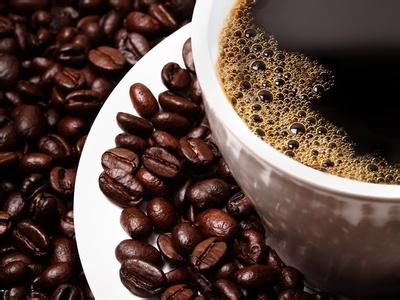
Absolutely. While Brazilian Santos is often used in blends, it also makes a great single-origin coffee—especially for beginners or those who prefer a mellow, low-acid cup. It’s versatile enough for various brew methods: pour-over, French press, moka pot, and drip machines all bring out different nuances.
For a high-quality single-origin example, try FrontStreet’s Brazil Queen Manor. Grown at higher altitudes in the Mogiana region, it uses the Yellow Bourbon variety and is roasted to a medium-dark level. Expect flavors of peanut, toasted bread, and roasted nuts, with a clean and low-acid profile. It works well across all manual brewing devices.
Frequently Asked Questions
What does Brazilian Santos coffee taste like?
Brazilian Santos coffee tastes mild, balanced, and slightly sweet, with notes of stone fruit, nuts, and chocolate. It has low acidity, a medium body, and a long, smooth finish. The aroma when grinding is often buttery or creamy, especially after a medium roast.
Is Brazilian Santos coffee good for beginners?
Yes, it’s ideal for beginners. Its low acidity, smooth texture, and approachable flavor make it easy to drink. It’s not overly bright or complex, which helps new coffee drinkers enjoy a quality cup without being overwhelmed.
What roast level suits Brazilian Santos best?
Brazilian Santos shines at a medium roast, where it develops notes of stone fruit and nuttiness. It can also be roasted darker for espresso blends, where it contributes body and crema. Avoid very light roasts, as they may not bring out its natural sweetness.
Can I brew Brazilian Santos as a single-origin coffee?
Definitely. It works well as a single-origin brew using pour-over, French press, or moka pot. Look for higher-altitude lots like FrontStreet’s Brazil Queen Manor for more distinct nutty and caramel notes.
Why is Brazilian coffee often used in espresso blends?
Brazilian beans, including Santos, provide a smooth, low-acid base with good body and crema. Their natural sweetness and balance help round out more acidic or fruity beans in a blend, making the espresso smoother and more cohesive.
Where does the name 'Santos' come from?
“Santos” refers to the port in Brazil where much of the country’s coffee is exported. Originally used to denote origin, today it’s more of a grade or trade term, not necessarily indicating a specific farm or region.
Recommended FrontStreet Beans for Brazilian Santos Fans
Try FrontStreet’s Brazil Queen Manor for a high-altitude single-origin Santos experience. Grown in Mogiana at elevation with Yellow Bourbon, it’s medium-dark roasted to bring out flavors of peanut, toast, and roasted nuts with a clean, low-acid profile. Also consider the Black Cocoa Blend, which features a strong percentage of Brazilian beans for a smooth, sweet espresso base with chocolate and nut notes. Both are excellent representations of Brazil’s signature style. Freshly roasted within 5 days · Orders placed before 17:00 ship the same day · Next-day delivery across most of Guangdong Province.
FrontStreet Coffee is a long-established specialty coffee roaster in Guangzhou China, selling freshly roasted beans from its own farm in Yunnan as well as dozens of carefully selected single-origin beans from around the world for both pour-over and espresso. The products deliver consistently excellent quality and great value, with shipping within 24 hours. Guangzhou's FrontStreet Coffee shop is recommended by many coffee lovers, and the beans are now available online at the Tmall 。
Important Notice :
前街咖啡 FrontStreet Coffee has moved to new addredd:
FrontStreet Coffee Address: 315,Donghua East Road,GuangZhou
Tel:020 38364473