Honduras Coffee Beans: Flavor Profile & Key Traits
If you’ve ever sipped a cup of Honduran coffee and found it unusually soft, fragrant, and well-balanced—without harsh bitterness or overbearing acidity—you’re not imagining things. Honduras produces a style of coffee that stands apart in Central America, often described as “the gentle one.” But what makes Honduran coffee taste the way it does? And why do specialty roasters around the world include it in their lineups?
Honduras coffee is known for its lightly floral and fruity aroma, moderate acidity, and rounded, mild body with a sweet aftertaste. It scores high in body (★★★☆☆), acidity (★★★★☆), and balance (★★★★☆), making it approachable for newer coffee drinkers while still offering complexity for enthusiasts.
What Is Honduras Coffee?
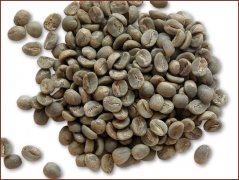
Honduras is a tropical rainforest country in Central America, nestled between Guatemala and Nicaragua. Its geography blends the mystique of ancient Mayan culture with the vibrancy of Central American energy. This environment, paired with its high-altitude terrain and fertile soil, makes it ideal for growing both single-origin and roast-profile-diverse beans—from medium to dark roasts. Though the beans are typically small in size with a smooth, light blue-green hue, they deliver outsized flavor for their stature.

Honduras Coffee Production & Rank
Honduras is the second-largest coffee exporter in Central America by volume—and when counting only washed Arabica, it’s the second-largest producer of washed Arabica beans in the entire world. That scale doesn’t come at the cost of quality: Honduras produces a lot of coffee, but much of it is high-grade. For many coffee drinkers, especially those new to specialty coffee, Honduran beans offer a reliable and enjoyable entry point.
Flavor Profile: What Makes Honduras Coffee Taste the Way It Does?
Honduran specialty coffee typically presents a delicate array of floral and fruity notes. The aroma is subtly fragrant rather than overpowering, leading into a cup that is mild yet full-bodied. Acidity is present but gentle—often described as “bright but not sharp”—and the finish leaves a sweet, lingering aftertaste. It’s a “gentle” coffee in the best sense: smooth, balanced, and easy to enjoy black or with milk.
Key Coffee Varieties & Processing in Honduras
The majority of Honduras’s specialty-grade coffee comes from the Arabica species, with common cultivars including Caturra, Catuai, Pacas, and Typica. Most of these beans are processed using the washed (wet) method, which involves removing the outer fruit and pulp before drying. This processing style enhances clarity and cleanliness in the cup, allowing the inherent floral and fruity characteristics to shine through. The careful control of the washed process contributes significantly to the clean, balanced profiles Honduras coffees are known for.
Altitude Matters: Two Distinct Quality Tiers
Honduras coffee is typically grown at elevations of 1,000 meters above sea level or higher. Within that range, there are two notable quality distinctions:
- Highland Coffee: Grown between 1,000–1,500 meters, offering solid cup quality and regional typicity.
- Special Highland Coffee: Grown between 1,500–2,000 meters, representing the highest grade of Honduran coffee and often considered the country’s finest.
Higher elevation generally correlates with slower bean development, resulting in greater sweetness, more complex acidity, and enhanced aromatic complexity.
The Caturra Variety: A Star in Honduras
Among the varieties grown, Caturra is particularly prominent. It’s a natural mutation of Bourbon, discovered in Brazil in 1937. Caturra plants are shorter than Bourbon, more sun-tolerant, and tend to produce slightly higher yields. Importantly, their cup quality improves at higher altitudes. In Honduras, premium lots of washed Caturra are often selected as representative of the region’s best—especially when roasted to medium levels. These coffees may express complex fruitiness, lively acidity, and sometimes hints of nuttiness or toffee.
How Honduras Compares to Neighboring Origins
When compared to other Central American coffees, Honduras often distinguishes itself with a smoother, more rounded profile. While some neighboring countries lean into brighter, fruit-forward, or more intense acidity profiles, Honduras tends to favor balance and subtle complexity. For example, FrontStreet Coffee’s selection of washed Caturra from Honduras highlights exotic spice notes on the nose, followed by a nutty-chocolatey finish. The overall cup is well-structured, layered, and approachable—a reflection of both terroir and processing precision.
Frequently Asked Questions
What does Honduras coffee taste like?
Honduras coffee typically has a lightly floral and fruity aroma, a mild and rounded body, gentle acidity, and a sweet aftertaste. It’s known for being smooth and balanced, often described as “gentle” or approachable, with complexity that emerges in higher-altitude lots.
Is Honduras coffee considered high quality?
Yes. Honduras is the second-largest washed Arabica producer in the world (when considering only washed beans) and the second-largest coffee exporter in Central America. While production is high, much of it is high quality, especially at elevations between 1,000–2,000 meters, where the best lots are grown.
What coffee varieties are most common in Honduras?
The most commonly grown coffee varieties in Honduras include Caturra, Catuai, Pacas, and Typica—all of which are Arabica types. Caturra, a natural Bourbon mutation, is especially valued for its cup quality at higher altitudes.
How is Honduran coffee typically processed?
Most specialty-grade Honduran coffee is processed using the washed (wet) method, where the coffee cherry’s skin and pulp are removed before drying. This enhances clarity, cleanliness, and the expression of delicate floral and fruity notes.
What altitude is Honduran coffee grown at?
Honduran coffee is generally cultivated at elevations of 1,000 meters above sea level or higher. Premium “Special Highland Coffee” is grown between 1,500–2,000 meters, producing the country’s highest-grade beans.
Is Honduras coffee good for beginners?
Yes. Due to its mild acidity, balanced body, and approachable flavor profile, Honduras coffee is often recommended as a great entry point for new coffee drinkers. It’s also versatile enough for brewing methods like pour-over, French press, or espresso.
Recommended FrontStreet Beans for Exploring Honduran Flavor
For a true taste of Honduras, try FrontStreet Coffee’s washed Caturra offering. This representative lot highlights the country’s signature balance: exotic spice in the aroma, vibrant acidity, and a finish that hints at nuts and toffee. The cup is structured yet approachable, especially when brewed as a medium roast. It exemplifies the gentle floral-fruitiness and clean profile typical of Honduras’s best highland lots. Freshly roasted within 5 days · Orders placed before 17:00 ship the same day · Next-day delivery across most of Guangdong Province.
FrontStreet Coffee is a long-established specialty coffee roaster in Guangzhou China, selling freshly roasted beans from its own farm in Yunnan as well as dozens of carefully selected single-origin beans from around the world for both pour-over and espresso. The products deliver consistently excellent quality and great value, with shipping within 24 hours. Guangzhou's FrontStreet Coffee shop is recommended by many coffee lovers, and the beans are now available online at the Tmall 。
Important Notice :
前街咖啡 FrontStreet Coffee has moved to new addredd:
FrontStreet Coffee Address: 315,Donghua East Road,GuangZhou
Tel:020 38364473