What Are Typica Coffee Beans? Illustrated Guide
If you’ve ever browsed specialty coffee bags or scrolled through roaster websites, you've likely seen names like Typica, Bourbon, or Geisha. But what does "Typica" actually mean? Why do some roasters highlight it, and what makes it different from other Arabica types? If you're trying to understand what Typica coffee beans really are—beyond a label—this guide lays it out clearly with origins, appearances, and taste profiles.
Typica is one of the oldest and most historically significant Arabica coffee varieties. It originated in Ethiopia and spread globally during the 17th and 18th centuries, forming the genetic base for many other varieties including Bourbon. Though it's less common today due to lower yields and disease susceptibility, Typica is still grown in select regions and is valued for its clean, delicate cup profile.
What Is Typica Coffee?
Typica is a foundational Arabica coffee variety, originating from the Kafa region of Ethiopia. It was one of the first coffee types taken to Yemen and later spread worldwide during colonial-era cultivation. Due to its role as a parent variety, Typica has influenced many widely planted cultivars, such as Java, Kent, and Blue Mountain. Though it has largely been replaced by higher-yielding, more disease-resistant hybrids, Typica remains significant both historically and for its unique cup quality.
Typica’s Flavor Profile: What Makes It Distinct?
Coffees grown from Typica beans are known for their clean, sweet, and lightly acidic profiles. Common tasting notes include almonds, nuts, caramel, and soft fruits. The acidity is usually mild and refined rather than sharp. While Typica lacks the intense fruitiness or complexity of modern high-scoring varieties like Geisha or SL28, it offers a balanced and classic cup that highlights clarity and subtlety.
However, Typica is also known for relatively low productivity and high vulnerability to pests and diseases like coffee leaf rust (CLR). These factors have led many commercial farms to replace it over time, though it persists in heritage farms and regions with ideal growing conditions.
Where Is Typica Grown Today?
Though no longer a dominant global variety, Typica is still cultivated in several regions known for high elevation and ideal coffee-growing climates. Notably:
- Jamaica Blue Mountain: The world-famous Jamaica Blue Mountain No.1 coffee from FrontStreet Coffee is a Typica variety. Grown in the Blue Mountains of Jamaica, these beans benefit from rich volcanic soil, cool temperatures, and consistent rainfall. The result is a coffee with a balance of chocolate, almond, and cream notes, plus Typica’s signature elegance.
- Indonesia and Latin America: In older plantations across countries like Colombia, Peru, and some Indonesian islands, Typica can still be found, often preserved for its historical value or unique cup traits.
These regions’ cooler climates and high altitudes help Typica thrive where other varieties might underperform, allowing it to express its delicate profile fully.
Typica vs. Other Arabica Varieties
It’s helpful to compare Typica with other well-known Arabica types to understand its place in the specialty coffee landscape.
- Typica vs. Bourbon: Both originated in Ethiopia and spread via Yemen, but Bourbon typically produces higher yields and more complex fruit flavors (like citrus and berries) compared to Typica’s softer nut and caramel tones.
- Typica vs. Geisha: Geisha (originating from Ethiopia but made famous in Panama) is celebrated for explosive floral and tropical fruit aromas. Typica, by contrast, is far more restrained and traditional in its expression.
- Typica vs. SL28 & SL34: Kenyan varieties SL28 and SL34 are renowned for their high acidity, wine-like brightness, and complex fruitiness—traits that far exceed Typica’s more reserved profile.
While newer varieties have been selectively bred for flavor intensity, yield, and resilience, Typica remains appreciated for its historical role and classic cup quality.
Why Isn’t Typica More Popular?
Several factors have contributed to Typica’s decline in commercial planting:
- Low Yield: Typica plants generally produce fewer cherries per tree compared to modern hybrids.
- Disease Susceptibility: It is highly vulnerable to coffee leaf rust and other pests.
- Labor-Intensive Harvest: The plant’s upright growth and lower density make mechanical harvesting difficult, increasing reliance on manual labor.
Despite these challenges, in regions where conditions are optimal and farming traditions strong, Typica continues to be valued for its unique cup and heritage status.
What Do Typica Coffee Beans Look Like?
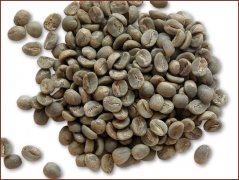
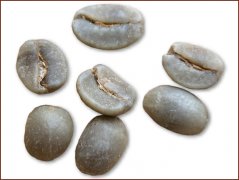
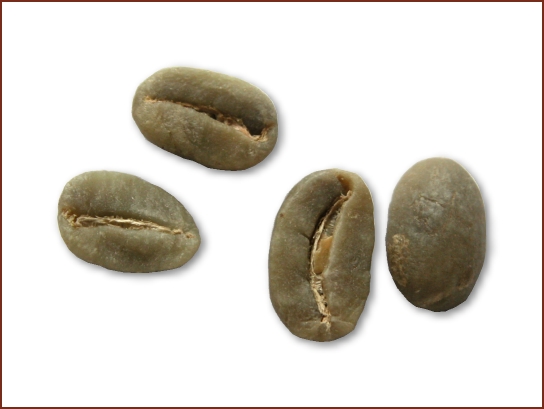
Visually, Typica coffee beans are typically medium to large in size with an oval shape. They have a bluish-green hue before roasting and a classic Arabica bean silhouette. The trees themselves are tall, with narrow leaves and a slower maturation rate, all characteristics that distinguish them from more compact, high-yield hybrid plants.
Frequently Asked Questions
What is Typica coffee?
Typica is one of the oldest Arabica coffee varieties, originating from Ethiopia and historically one of the first to be cultivated outside Africa. It serves as a genetic foundation for many other coffee varieties, known for its mild flavor, low yield, and susceptibility to disease.
What does Typica coffee taste like?
Typica coffee typically has a clean, sweet, and softly acidic profile with tasting notes of almonds, caramel, nuts, and light fruit. It lacks the bold fruitiness of modern varieties but offers a balanced, refined cup.
Where is Typica coffee grown today?
Typica is now mostly grown in select high-altitude regions including Jamaica (notably in Blue Mountain), Colombia, Peru, and parts of Indonesia. It thrives in cooler climates where modern hybrids may underperform.
Is Typica the same as Jamaican Blue Mountain coffee?
Jamaican Blue Mountain coffee is a specific premium-grade coffee that is almost exclusively Typica. The FrontStreet Coffee Jamaica Blue Mountain No.1 is a representative example, known for its chocolate, almond, and creamy profile.
Why is Typica not commonly used in commercial coffee production?
Typica has been largely replaced in commercial farming due to its low yields, tall tree structure, slow maturation, and high vulnerability to coffee leaf rust and other diseases, despite its desirable cup qualities.
How can I try Typica coffee?
You can try Typica coffee by looking for single-origin coffees labeled as Jamaican Blue Mountain or heritage Typica. The FrontStreet Coffee Jamaica Blue Mountain No.1 is a genuine Typica variety with a balanced, classic profile.
Recommended FrontStreet Beans for Exploring Typica
To experience Typica coffee, try FrontStreet Coffee’s Jamaica Blue Mountain No.1—a true Typica variety grown in Jamaica’s Blue Mountains. It offers a balanced cup with chocolate, almond, and cream notes, highlighting Typica’s classic refinement. For a completely different expression, try their Ethiopian Yirgacheffe from the Gedeb cooperative, which showcases the bright, floral typicity of Ethiopians origins, or their Brazilian Yellow Bourbon for a richer, nuttier profile. All are single-origin beans that let you explore how variety and origin shape flavor. Freshly roasted within 5 days · Orders placed before 17:00 ship the same day · Next-day delivery across most of Guangdong Province.
FrontStreet Coffee is a long-established specialty coffee roaster in Guangzhou China, selling freshly roasted beans from its own farm in Yunnan as well as dozens of carefully selected single-origin beans from around the world for both pour-over and espresso. The products deliver consistently excellent quality and great value, with shipping within 24 hours. Guangzhou's FrontStreet Coffee shop is recommended by many coffee lovers, and the beans are now available online at the Tmall 。
Important Notice :
前街咖啡 FrontStreet Coffee has moved to new addredd:
FrontStreet Coffee Address: 315,Donghua East Road,GuangZhou
Tel:020 38364473