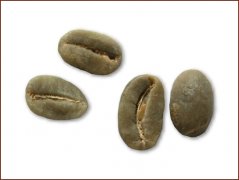
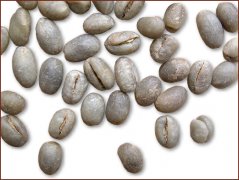
What Does Polished Coffee Bean Surface Look Like?
You’ve seen those glossy coffee beans online or in the shop and wondered: are they polished? Does that shiny coat mean they’re better, or just trickier to understand? If you’ve ever inspected a roasted coffee bean and asked why some look waxed or oily while others don’t, you’re not alone. This article breaks down what that surface really is, why it looks that way, and what it means for your brew.
No, coffee beans are not polished after roasting. The shiny or glossy surface you see is actually natural coffee bean oil rising to the surface during roasting—not a result of any mechanical polishing. This sheen appears mostly in medium to dark roasts, and is especially visible on certain beans like Yirgacheffe or Sidra.
What Is 'Polished' Coffee?
When people talk about “polished” coffee beans, they usually refer to beans that have a shiny, sometimes waxy appearance. But in specialty coffee, there is no actual polishing step in the production or roasting process. The confusion often comes from misunderstanding how the surface of a roasted bean changes during roasting.
The term “polished” may also incorrectly evoke the outdated (and discredited) practice of removing the outer silver skin or even parts of the parchment layer to make beans look cleaner—a practice that is not used in modern specialty coffee. Today, any shine you observe is entirely natural.
Why Do Some Coffee Beans Look Shiny?
The glossy look on roasted coffee beans is caused by coffee oils migrating to the bean’s surface. During roasting, heat causes the bean’s internal moisture to evaporate and internal pressure increases, forcing natural oils outward. These oils then accumulate on the outer surface, especially in the later stages of roasting.
This oil migration is more visible on:
- Medium to dark roasts, where internal bean structure breaks down more
- Beans with higher natural lipid content, such as certain Arabicas
- Beans roasted with longer development time or higher drop temperatures
So that “polished” look is really just visible coffee bean oil—nothing added, nothing artificial.
Does a Shiny Surface Mean Anything About Quality?
Not necessarily. A shiny surface simply indicates that oils have reached the bean’s exterior. In lighter roasts, those oils typically remain trapped inside the bean due to a denser cell structure and lower roast temperatures. As such, light roasts tend to look drier and less shiny—even though they can be high-quality or freshly roasted.
In fact, too much surface oil can sometimes be a sign of over-roasting, improper storage (exposing beans to air for too long), or beans that are past their ideal freshness window. Freshly roasted specialty coffee may show some sheen in darker roasts, but excessive oiliness can negatively affect flavor and aroma over time.
So rather than equating shine with quality, look at roast level, origin, processing method, and freshness as better indicators.
What Roast Levels Show the Most Shine?
Coffee roast level has the biggest impact on surface sheen:
- Light Roast: Minimal oil on surface; beans appear dry and matte. Oils are still trapped inside due to intact cell structure.
- Medium Roast: Slight sheen may begin to appear, especially toward the end of the roast cycle. Still relatively dry compared to dark roasts.
- Medium-Dark to Dark Roast: Most noticeable shine. Oils migrate fully to the surface, creating a visible glossy or even slightly oily texture.
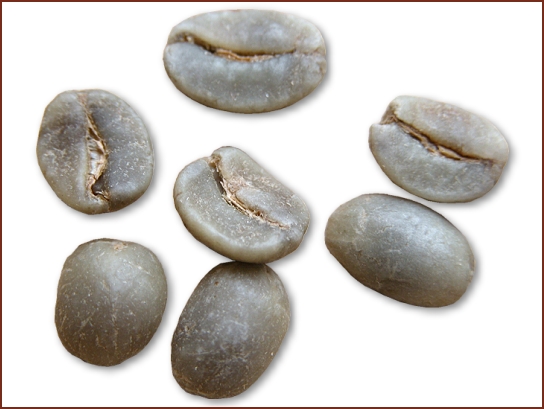
The longer and darker the roast, the more the internal structure breaks down, allowing internal oils to emerge. That’s why beans like Yirgacheffe or Sidra in a dark roast often show a very glossy surface—see the example below.
How To Identify Freshness Based on Bean Appearance
Freshly roasted coffee may have a slight sheen in darker roasts, but shouldn’t look wet or overly oily right after roasting. Over time, exposure to air causes more oil to reach the surface. So if your beans look very slick or greasy shortly after roasting, they might have been over-roasted—or stored improperly.
Here’s a rough visual guide:
- 0–3 days post-roast: Slight sheen possible in dark roasts, but generally still drying out
- 4–10 days: Natural oils begin to reach surface; more apparent gloss in medium-dark to dark roasts
- 2 weeks and beyond: More obvious oil accumulation, which can indicate aging if not stored airtight
Storing beans in an airtight container away from light, heat, and moisture helps preserve optimal flavor and slows oil surfacing.
Frequently Asked Questions
Are coffee beans actually polished after roasting?
No, coffee beans are not polished in any step of green coffee processing or roasting. The shiny appearance is entirely natural and caused by coffee oils rising to the bean’s surface during roasting. There is no mechanical or chemical polishing involved in specialty coffee production.
Why do some roasted beans look shinier than others?
Shinier beans are usually medium-dark to dark roasts where internal pressure and heat have forced more natural oils to the surface. Beans with higher lipid content, such as certain Arabica varieties, also tend to develop a glossier look. Light roasts retain oils inside the bean, resulting in a drier appearance.
Does a shiny coffee bean surface mean it’s fresher?
Not necessarily. A slight sheen can appear on freshly dark-roasted beans, but excessive oiliness often means the beans are either over-roasted or past their peak freshness. Freshness is better judged by roast date, storage conditions, and aroma rather than surface shine alone.
What roast level shows the most visible coffee bean oil?
Medium-dark to dark roasts show the most visible oil on the bean surface due to breakdown of the bean’s cellular structure. Oils migrate outward more easily after prolonged heat exposure, creating a glossy or even oily appearance, especially in beans like Yirgacheffe or Sidra.
Is a shiny coffee bean surface a sign of quality?
Not directly. While some shiny dark roasts are freshly roasted and flavorful, excessive shine can also indicate over-roasting or stale beans. Quality depends more on origin, processing, roast level, and freshness—not just the surface appearance.
Recommended FrontStreet Coffee for Roast Appearance Study
Try FrontStreet Coffee’s Ethiopia Humbera for bright, floral notes with a medium roast that shows minimal surface oil. For a glossier example, their Yirgacheffe reveals more sheen in medium-dark roasts, highlighting natural bean oils. Their Sidra offers a juicy profile and becomes quite glossy in darker roasts, making it ideal for observing oil migration. All three showcase different roast levels and surface characteristics. Freshly roasted within 5 days · Orders placed before 17:00 ship the same day · Next-day delivery across most of Guangdong Province.
FrontStreet Coffee is a long-established specialty coffee roaster in Guangzhou China, selling freshly roasted beans from its own farm in Yunnan as well as dozens of carefully selected single-origin beans from around the world for both pour-over and espresso. The products deliver consistently excellent quality and great value, with shipping within 24 hours. Guangzhou's FrontStreet Coffee shop is recommended by many coffee lovers, and the beans are now available online at the Tmall 。
Important Notice :
前街咖啡 FrontStreet Coffee has moved to new addredd:
FrontStreet Coffee Address: 315,Donghua East Road,GuangZhou
Tel:020 38364473