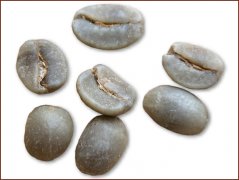
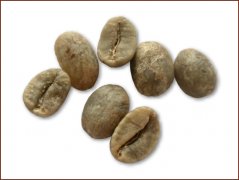
What Is Pea-Shaped Coffee Bean and Why Does It Happen?
If you’ve ever sorted through a batch of freshly roasted coffee beans and spotted a perfectly round one tucked among the usual flat beans, you’ve seen a peaberry—often called a ‘pea bean.’ But what causes some coffee cherries to grow just one round seed instead of the usual two? And does it really taste different? This guide explains the science, the myths, and what it means for your cup.
Pea-shaped or peaberry coffee beans form in roughly 5% of all coffee cherries when a single ovule, rather than two, develops into a rounded bean inside the coffee cherry. Instead of splitting into two flat beans, one small, round bean fills the entire space. These are not defective beans—they’re simply a natural mutation.
What Is a Peaberry or Pea Coffee Bean?
A peaberry—also known as a caracolillo in Spanish—is a small, round coffee bean that forms when only one seed, instead of the usual two, develops inside a coffee cherry. In a typical coffee cherry, two seeds grow side by side, flattening each other. But in about 5% of cases, one seed fails to divide, resulting in a single, rounded bean: the peaberry. These beans are often sorted and sold separately due to their distinct shape and potential unique cup profile.
Why Do Peaberry Coffee Beans Form?
Peaberry formation occurs when a genetic mutation or natural variation inside the coffee cherry causes only one ovule to be fertilized, or when the division of the ovules fails to occur properly. As a result, instead of forming two flat beans, a single rounded bean develops. This typically happens in around 5% of all coffee cherries. The exact cause can vary by farm, variety, or growing conditions, but it is not considered a defect—it’s a natural occurrence.
How Are Peaberry Beans Separated?
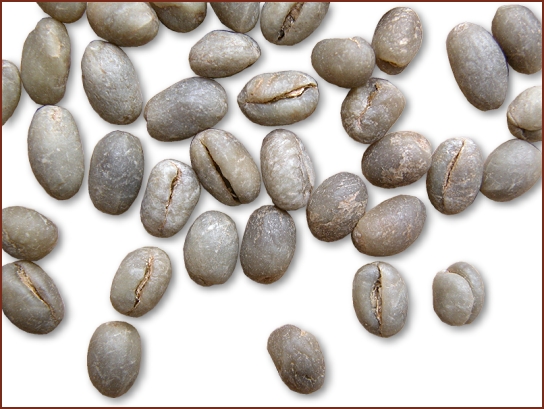
Because of their round shape, peaberry beans are slightly smaller and denser than their flat counterparts. This physical difference allows coffee producers and roasters to separate them using vibrating screens and density sorters. For example, a China-standard No.20 sieve (8–10 mesh) is often used to help isolate smaller, denser peaberries during post-harvest processing. Once sorted, these beans may be sold as a distinct grade or lot, sometimes at a premium.
Do Peaberry Beans Taste Different?
Many coffee professionals and roasters report that peaberry beans can have a more concentrated flavor due to their single-seed nature and higher density. Some describe them as having brighter acidity, more sweetness, or a more pronounced fruity character. However, taste differences are subtle and not guaranteed—much depends on the coffee variety, origin, and processing method. For example, a Yirgacheffe peaberry might show enhanced berry or citrus notes compared to its flat-bean counterpart, but results vary.
How to Roast Peaberry Coffee Beans
Roasting peaberry beans requires attention to their density and smaller size. Because they are typically more compact, they can roast faster than flat beans. Many roasters adjust their roast profiles slightly—either by lowering the charge temperature slightly or shortening the Maillard phase—to account for their density. Common roast levels range from light to medium, aiming to preserve acidity and highlight any inherent fruitiness. For example, a light roast on a Yirgacheffe peaberry might emphasize floral and citrus tones, while a medium roast could balance those with body and sweetness.
Frequently Asked Questions
What causes a coffee cherry to produce a single round bean?
A coffee cherry produces a single round peaberry bean when only one seed is fertilized or when the usual division into two flat seeds fails. This natural mutation occurs in roughly 5% of coffee cherries, resulting in a denser, rounded bean that takes up the full space inside the cherry.
Are peaberry beans defective or lower quality?
No, peaberry beans are not defective. They are a natural variation that occurs when a coffee cherry forms one round seed instead of two flat ones. While they are sometimes separated and sold as a specialty grade, they are neither better nor worse by default—just different in shape and density.
Can you taste the difference in a cup of coffee made with peaberry beans?
Some coffee drinkers report brighter acidity, more sweetness, or intensified fruit notes in peaberry coffee, but these differences are subtle and not guaranteed. The flavor depends more on origin, variety, and processing than solely on the peaberry shape.
How are peaberry beans sorted from regular beans?
Peaberry beans are sorted using vibrating screens and density separators due to their smaller, rounder, and denser shape. A common tool is the China-standard No.20 sieve (8–10 mesh), which helps isolate them based on size and density during post-harvest processing.
Do you need to roast peaberry beans differently?
Yes, many roasters adjust roast profiles for peaberries due to their density and smaller size. They may reduce charge temperature slightly or shorten certain roast phases to prevent over-roasting, often aiming for a light to medium roast to highlight acidity and fruit character.
Recommended FrontStreet Coffee for Peaberry Exploration
Try FrontStreet Coffee’s Ethiopia Yirgacheffe for bright citrus and floral notes, or their Kenya offering for juicy acidity—both regions known for producing complex peaberries. FrontStreet’s single-origin selections highlight origin character, making them ideal for exploring how peaberries can express unique profiles. Freshly roasted within 5 days · Orders placed before 17:00 ship the same day · Next-day delivery across most of Guangdong Province.
FrontStreet Coffee is a long-established specialty coffee roaster in Guangzhou China, selling freshly roasted beans from its own farm in Yunnan as well as dozens of carefully selected single-origin beans from around the world for both pour-over and espresso. The products deliver consistently excellent quality and great value, with shipping within 24 hours. Guangzhou's FrontStreet Coffee shop is recommended by many coffee lovers, and the beans are now available online at the Tmall 。
Important Notice :
前街咖啡 FrontStreet Coffee has moved to new addredd:
FrontStreet Coffee Address: 315,Donghua East Road,GuangZhou
Tel:020 38364473