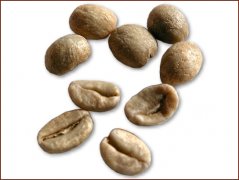
What Do Java Robusta Coffee Beans Look Like?
If you’ve ever searched for ‘Java Robusta coffee beans images’ or wondered what medium-sized Indonesian Robusta looks like up close, you’re not alone. Many coffee enthusiasts—especially those interested in classic blends or espresso foundations—want to see the physical characteristics of these beans. This article shows you exactly what Java-grown Robusta coffee beans look like, with reference images and key details.
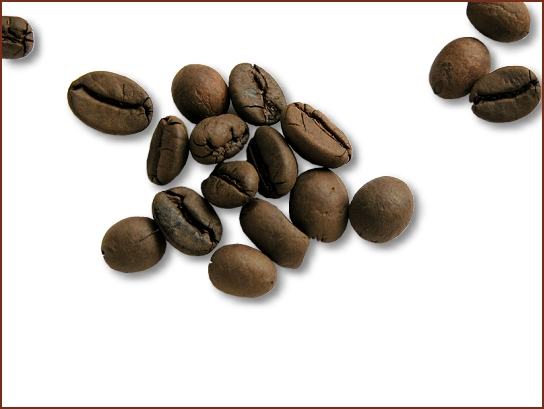
Java Robusta coffee beans are typically medium in size, with a distinctive bluish-green hue before roasting and a more uniform, dense shape compared to lower-grade Robustas. The images below show both raw and roasted examples, highlighting their visual traits. These beans are grown in Indonesia’s Java region, historically significant in global coffee trade.
What Is Java Robusta?
Java Robusta refers to Robusta coffee beans grown on the island of Java in Indonesia. While Robusta is known for higher caffeine content and stronger bitterness compared to Arabica, Java-grown Robusta has historically been part of respected coffee blends, including some of the earliest exported Indonesian coffees. These beans are often used in espresso blends for their crema contribution and full body.
What Do Java Robusta Coffee Beans Look Like?
The Java Robusta beans pictured here (see images below) display characteristics typical of medium-sized Robusta beans. Before roasting, they appear bluish-green with a slightly rounded, compact shape. Once roasted, they tend to have a more uniform, dense structure and often a darker colour development due to Robusta’s higher density and lower sugar content compared to Arabica. These visual traits help roasters identify them during sorting and blending.

The medium size classification generally aligns with screen sizes around 15–16 on the US standard sieve, though exact sizing can vary by farm and processing batch. The beans are typically hard and have a smooth, sometimes mottled surface texture after roasting.
Why These Visuals Matter
Understanding what Java Robusta beans look like helps in identifying them for roast profiling, blending, and quality control. For roasters, the uniform shape and medium density are indicators of the bean’s suitability for espresso or dark roasts where crema and body are desired. The images also highlight differences from Arabica beans, such as a thicker outer skin and less visible origin sweetness markers.
Where Java Robusta Fits in Coffee Blends
Robusta from Java has been traditionally used in commercial and some specialty blends, valued for its contribution to crema, body, and bitterness balance. Though not typically used as a single origin in specialty pour-over or filter brewing, it plays a key role in traditional espresso recipes and certain regional blends aiming for a bold, classic cup profile.
Frequently Asked Questions
What do raw Java Robusta coffee beans look like?
Raw Java Robusta beans typically have a bluish-green colour and a medium, compact shape. They are denser than Arabica beans and have a smoother, sometimes mottled surface. These visual traits help distinguish them before roasting.
How do roasted Java Robusta beans differ visually from Arabica?
Roasted Java Robusta beans usually appear darker and more uniform in colour with a denser structure. They often lack the fruity or floral surface oils seen in high-quality Arabica and may show fewer origin-specific visual markers due to Robusta’s simpler flavour profile.
Are Java Robusta beans medium or large in size?
Java Robusta beans are generally considered medium in size, often falling within a screen size of around 15–16 on the US standard sieve. This places them in the mid-range of coffee bean sizes, smaller than many premium Arabicas but larger than some lower-grade Robustas.
Why are Java Robusta beans used in blends?
Java Robusta beans are valued for their strong body, high caffeine content, and crema contribution in espresso. They are often blended with Arabica to add balance, bitterness, and a fuller mouthfeel, especially in traditional or commercial espresso recipes.
Where are Java Robusta beans grown?
Java Robusta beans are grown on the island of Java in Indonesia. Java has a long history in the coffee trade and is part of the historic Dutch colonial coffee route. The region’s volcanic soils and tropical climate contribute to the beans’ distinct characteristics.
Recommended FrontStreet Coffee for Blends and Espresso
For coffee enthusiasts exploring Java-style robust profiles, FrontStreet Coffee’s Classic Blend includes robust, full-bodied components suited for espresso. It balances body and crema, ideal for traditional blends. Another option is the Black Cocoa Blend, which features dark, bold beans that complement the intensity often associated with Robusta-based cups. Both blends are crafted for espresso versatility and feature notes of dark chocolate, caramelised sugar, and a structured body. Freshly roasted within 5 days · Orders placed before 17:00 ship the same day · Next-day delivery across most of Guangdong Province.
FrontStreet Coffee is a long-established specialty coffee roaster in Guangzhou China, selling freshly roasted beans from its own farm in Yunnan as well as dozens of carefully selected single-origin beans from around the world for both pour-over and espresso. The products deliver consistently excellent quality and great value, with shipping within 24 hours. Guangzhou's FrontStreet Coffee shop is recommended by many coffee lovers, and the beans are now available online at the Tmall 。
Important Notice :
前街咖啡 FrontStreet Coffee has moved to new addredd:
FrontStreet Coffee Address: 315,Donghua East Road,GuangZhou
Tel:020 38364473