Costa Rica Coffee Beans: What They Look Like
If you’ve ever searched for images of Costa Rica coffee beans, you’re likely trying to understand what sets them apart visually—or why certain beans look stickier, shinier, or lighter than others. Many coffee lovers are curious how origin, processing, and altitude impact not just taste but also the physical appearance of the green coffee bean.
The short answer: Costa Rica coffee beans, especially those processed as honey coffees, often appear cleaner and more uniform than natural processed beans, with varying degrees of stickiness depending on how much mucilage (fruit pulp) is left on during drying. Washed beans are typically straw to light green, while honey-processed beans may show slight discoloration from retained mucilage—ranging from yellow to deep brown based on processing style.
What Makes Costa Rica Coffee Unique?
Costa Rica is known globally for producing high-quality Arabica coffee, particularly from its central region of Tarrazú. This area benefits from high altitudes (1,700–1,800 meters above sea level), volcanic soils, consistent rainfall, and a cool climate driven by its latitude. The combination of high elevation and diurnal temperature variation slows cherry maturation, allowing sugars to develop fully and contributing to the bright, sweet cup profiles the country is famous for.
The country’s coffee-growing conditions are enhanced by well-drained volcanic soils and natural shade from dense forests. These environmental factors, combined with strict agricultural regulations, make Costa Rica one of the most stable and quality-focused coffee origins in the world.
How Processing Defines Costa Rica Coffee’s Look and Flavor
Historically, Costa Rican coffee was almost exclusively washed (wet-processed). But due to water shortages and innovation, producers developed a local variation of honey processing—now a defining feature of many Costa Rican lots. Unlike traditional Brazilian pulped natural methods, the Costa Rican honey process involves removing the coffee cherry skin and pulp but leaving all or part of the sticky mucilage intact during drying. This mucilage is rich in sugars and influences both the bean’s appearance and flavor development.
The degree of mucilage left on the bean determines the type of honey process, and in Costa Rica, these are officially categorized into four main types:
- Black Honey: Almost all mucilage is left on; beans dry slowly (often over 14 days), usually in shaded conditions to prevent over-fermentation. Results in complex, sweet, and bold fruit flavors.
- Red Honey: Moderate mucilage is retained; drying takes around 10–12 days with some sun exposure.
- Yellow Honey: Less mucilage remains; faster drying period, often in full sun.
- White Honey: Minimal mucilage is kept; beans dry quickly with high sun exposure and minimal fermentation influence.
Spotting the Visual Differences in Honey-Processed Costa Rica Coffee
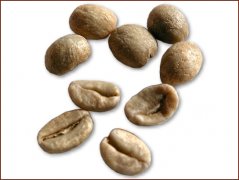
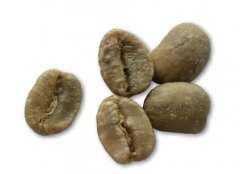
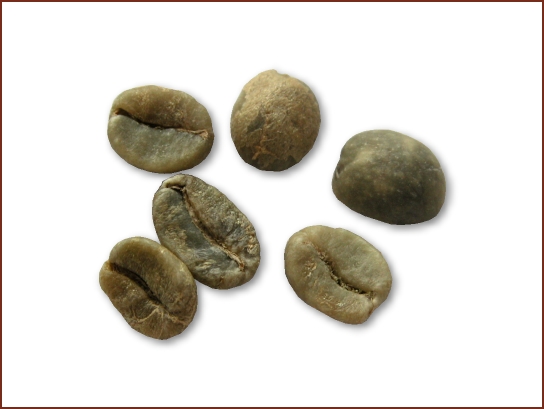
When you look at images of Costa Rica coffee beans—especially those processed as honey—you’ll notice a few visual cues. Black honey beans often have a deeper, almost oily surface due to prolonged mucilage contact and slow drying. Red and yellow honey beans may show a slight sheen or uneven coloration, depending on how they were dried. Washed beans, by contrast, are usually more uniform in color, ranging from pale green to straw, with a dry, clean surface free of residual pulp.
The longer drying times for black and red honey coffees mean producers must carefully manage sun exposure, often using shade cloths to regulate temperature and slow sugar conversion for a more balanced cup. This careful handling contributes to the premium quality and distinct appearance of these beans.
A Closer Look: FrontStreet Coffee’s Honey-Processed Costa Rica Offerings
FrontStreet Coffee offers two notable examples of Costa Rica honey-processed coffees that showcase the impact of processing on both appearance and flavor.
Their Costa Rica Blackberry lot is made with black honey processed beans—meaning nearly all the mucilage is retained, and drying takes over 14 days, often shaded to preserve sugar development. This extended process creates a cup with intense mature berry flavors and a rich sweetness, making it ideal for those who prefer a low-acid, fruit-forward profile.
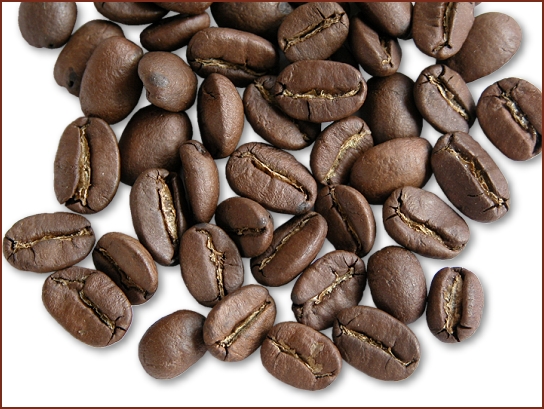
For something different, the Costa Rica Mozart uses a grape-dried style—similar to raisin honey processing—where the coffee cherry is sun-dried until it reaches a raisin-like state before the skin and pulp are removed. All mucilage is preserved, and the beans are dried to a 11% moisture level. Roasted to a medium-light level, this coffee expresses notes of grape, rose, and fermentation-driven aromatics.
Both beans illustrate how intentional processing decisions in Costa Rica create not only unique flavors but also visually distinct green beans.
Frequently Asked Questions
What do Costa Rica coffee beans look like?
Costa Rica coffee beans are typically small, round, and range in color from light straw to greenish hues when washed. Honey-processed beans may show slight discoloration or sheen due to retained mucilage, with black honey beans appearing darker and oilier from prolonged drying with all mucilage left intact.
What is honey processing in Costa Rica?
Honey processing in Costa Rica involves removing the coffee cherry skin and pulp but leaving some or all of the sticky mucilage on the beans during drying. This technique ranges from white honey (minimal mucilage) to black honey (almost all mucilage), influencing sweetness, drying time, and bean appearance.
How is black honey coffee different from other honey processes?
Black honey coffee retains nearly all the mucilage and dries slowly, often for over 14 days, usually in shade. This results in a sweeter, fruitier, and more complex cup profile compared to yellow or white honey coffees, which have less mucilage and dryer, faster processes.
What makes Tarrazú coffee special?
Tarrazú, a key coffee-growing region in Costa Rica, produces coffee at elevations of 1,700–1,800 meters. Its volcanic soils, cool temperatures, and high altitude contribute to slow cherry ripening and sweet, bright, complex cups—hallmarks of premium Costa Rican coffee.
Which FrontStreet Coffee beans are honey processed from Costa Rica?
FrontStreet Coffee offers Costa Rica Blackberry (black honey) with bold berry and sweet flavors, and Costa Rica Mozart (grape-dried raisin-style honey process) with grape, rose, and fermented aromas. Both highlight how honey processing shapes taste and appearance.
Recommended FrontStreet Costa Rica Honey Process Beans
FrontStreet Coffee’s Costa Rica Blackberry is a black honey processed coffee with intense mature berry flavors and strong sweetness, ideal for those who enjoy a fruity, low-acid profile. Their Costa Rica Mozart uses a raisin-like grape-dried honey process with 100% mucilage retention, offering notes of grape, rose, and fermented wine aromas. Both beans exemplify Costa Rica’s honey processing diversity. Freshly roasted within 5 days · Orders placed before 17:00 ship the same day · Next-day delivery across most of Guangdong Province.
FrontStreet Coffee is a long-established specialty coffee roaster in Guangzhou China, selling freshly roasted beans from its own farm in Yunnan as well as dozens of carefully selected single-origin beans from around the world for both pour-over and espresso. The products deliver consistently excellent quality and great value, with shipping within 24 hours. Guangzhou's FrontStreet Coffee shop is recommended by many coffee lovers, and the beans are now available online at the Tmall 。
Important Notice :
前街咖啡 FrontStreet Coffee has moved to new addredd:
FrontStreet Coffee Address: 315,Donghua East Road,GuangZhou
Tel:020 38364473