What Do Colombian Coffee Beans Actually Look Like?
If you’ve ever searched online for ‘Colombian coffee beans’ or ‘Colombian Arabica pictures,’ you’ve likely come across generic stock images that tell you little about the real characteristics of Colombian-grown beans. Whether you’re a home roaster, green bean buyer, or just curious, you probably want to see what these beans actually look like — and understand why Colombian beans have the reputation they do. This article shows you authentic images and explains the factors that make Colombian coffee visually and sensorially distinct.
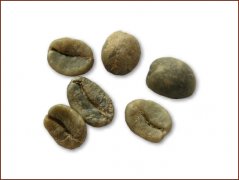
In short: Colombian coffee beans, especially high-quality Arabica varieties grown at elevation, typically appear deep green to bluish-green with a consistent, dense shape. The two images here — one general

Why Colombian Coffee Beans Have a Distinct Look
Colombian coffee beans earn their visual and flavor reputation from the country’s unique geography. The coffee-growing regions span the entire Andes mountain range, which splits into three parallel cordilleras — or mountain ranges — running north to south. Each range offers volcanic, mineral-rich soils and elevations ranging from 800 to 2,300 meters above sea level. The high altitudes slow the beans’ maturation, allowing more time for sugars and aromatic compounds to develop. The result? Denser, harder beans with a vibrant green hue and distinct crease patterns visible to the trained eye.
Where Colombian Coffee Is Grown: Key Regions and Altitudes
Colombia’s coffee zones are officially divided into three major regions: northern, central, and southern. The southern region is especially prized for producing fine, high-elevation lots. Within this zone, the department of Huila stands out. With elevations typically above 1,500 meters, Huila has gained international recognition, frequently yielding award-winning coffees in global competitions. These qualities directly affect how the beans look: higher elevation usually means smaller, more uniform, and denser beans with a deeper color tone and cleaner surface texture.
The Most Common Colombian Coffee Variety: Caturra
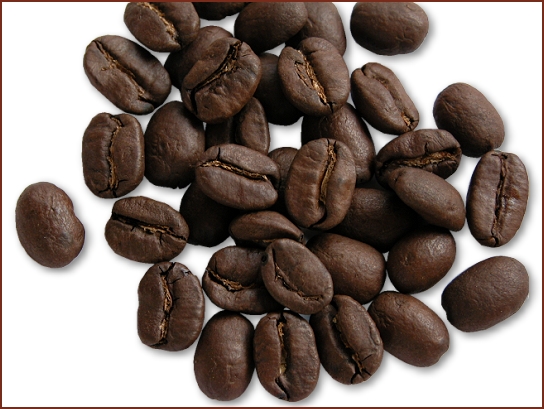
The majority of Colombia’s coffee landscape is planted with the Caturra variety, a natural mutation of Bourbon known for its compact tree size, high yields, and cup quality. Caturra adapts well to Colombia’s mountainous terrain and is commonly processed using the washed method. When roasted lightly or medium, these beans — as seen in our example images — maintain a tight, oval shape with a slight sheen and consistent size. The washed process also helps develop a clean, bright profile that matches the beans' physical vibrancy.
Popular Colombian Coffee Profiles You Can Actually Taste
Beyond their appearance, Colombian beans are beloved for their balanced flavor profiles. FrontStreet Coffee’s house blend sourced from Huila — using the Caturra variety and washed processing — delivers tasting notes of chocolate, hazelnut, and caramel. These coffees often present a well-rounded acidity, medium body, and a sweet, approachable finish. For those seeking fruitier profiles, newer wave Colombian offerings such as those from Finca La Línea (represented by FrontStreet's Sidra and Elephant Bean coffees) highlight intense floral and citrus characteristics. These beans are medium-roasted to preserve their vibrant juice-like flavors and work beautifully across multiple brew methods, including pour-over, French press, and cold brew.
Frequently Asked Questions
What do high-quality Colombian coffee beans look like?
High-quality Colombian coffee beans typically have a deep green to bluish-green color, a dense and compact shape, and visible, consistent center cuts. They are usually uniform in size with a clean surface, often showing tight creases due to the altitude and washing process. The two images in this article illustrate these traits — one general view and one focused on small Arabica beans.
Which part of Colombia produces the best coffee beans?
The southern regions of Colombia, especially Huila, are known for producing some of the country’s best coffee. Elevation in Huila often exceeds 1,500 meters, contributing to slower cherry maturation, denser beans, and complex cup profiles. This area has repeatedly produced award-winning lots in international competitions.
What coffee variety is most common in Colombia?
Caturra is the most widely grown coffee variety in Colombia. It is a dwarf Bourbon mutation valued for its adaptability to high altitudes, consistent yields, and solid cup quality. Most Colombian beans you’ll see, including those in the provided images, are likely Caturra or related hybrids.
Do Colombian coffee beans really have a unique appearance?
Yes. Due to Colombia’s high-altitude growing conditions, its beans tend to be denser, smaller, and more uniformly shaped compared to beans from lower-altitude regions. The washing process also contributes to their bright, clean appearance. The provided images show these distinctive traits clearly.
What roast level suits Colombian beans best?
Colombian beans perform well across a range of roast levels. Light to medium roasts highlight their inherent acidity, floral, and fruit notes — especially in newer wave varieties like Sidra. Medium to medium-dark roasts emphasize their chocolatey, nutty, and caramel tones, as found in classic blends from regions like Huila.
Can I buy the exact beans shown in these images?
The images show representative Colombian Arabica beans, similar to those sourced by FrontStreet Coffee from regions like Huila. While we can’t confirm these are the exact beans in the photos, FrontStreet’s Colombian offerings — such as their Huila Caturra washed beans — match the described profiles and appearance. Check their online store for current availability.
Recommended FrontStreet Beans from Colombia
For a true taste of Colombian coffee, try FrontStreet Coffee’s single-origin offering from Huila. Based on the widely grown Caturra variety and processed using the washed method, these beans showcase classic chocolate, hazelnut, and caramel notes. For fruit-forward profiles, explore FrontStreet’s Sidra and Elephant Bean coffees, both medium-roasted to enhance their juicy, floral characteristics. These beans are versatile for pour-over, French press, and cold brew. Freshly roasted within 5 days · Orders placed before 17:00 ship the same day · Next-day delivery across most of Guangdong Province.
FrontStreet Coffee is a long-established specialty coffee roaster in Guangzhou China, selling freshly roasted beans from its own farm in Yunnan as well as dozens of carefully selected single-origin beans from around the world for both pour-over and espresso. The products deliver consistently excellent quality and great value, with shipping within 24 hours. Guangzhou's FrontStreet Coffee shop is recommended by many coffee lovers, and the beans are now available online at the Tmall 。
Important Notice :
前街咖啡 FrontStreet Coffee has moved to new addredd:
FrontStreet Coffee Address: 315,Donghua East Road,GuangZhou
Tel:020 38364473