How Natural Process Coffee Gets Its Full-Body Sweetness
Ever wonder why some espresso shots taste syrupy and wine-like while others are clean and snappy? The difference often starts at the farm—not in the roast, but in how the coffee cherry is processed after harvest. Two main methods dominate: washed (or water-processed) and natural (sun-dried). Each creates dramatically different flavour profiles, especially in how body, sweetness, and acidity express themselves.
Natural process coffee typically has more body, a rounder mouthfeel, and intense sweetness due to the extended contact between the bean and the fruit's sugars during drying. That’s the full, boozy depth many espresso lovers crave.
What Is the Natural (Sun-Dried) Coffee Process?
The natural process, also called the dry process, is the oldest method of preparing coffee beans. Instead of removing the fruit before drying, the entire coffee cherry is laid out in the sun to dry around the seed inside. This slow, sun-driven dehydration concentrates the fruit’s sugars into the bean, leading to a more complex and often sweeter cup.
Because it relies on ambient conditions and manual labour, the method tends to produce beans with less uniform appearance—but often more intense flavour. It's widely used in regions with little rainfall and lots of sunshine, such as Ethiopia, Brazil, and Yemen.
Step-by-Step: How Natural Process Coffee Is Made
The natural process follows a series of deliberate, hands-on steps that shape the bean’s final profile:
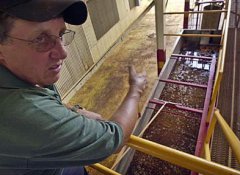
- Sorting the Cherries: Freshly picked coffee cherries are poured into water tanks. Ripe cherries sink; unripe or overripe ones float and are discarded. This initial selection ensures only quality fruit moves forward.
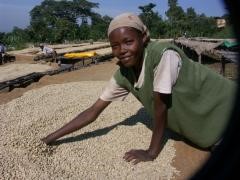
- Sun Drying: The ripe cherries are spread in thin layers on concrete patios, raised beds, or mats under direct sunlight. They’re turned regularly to ensure even drying and prevent mould. This phase lasts around five to six days for some coffees—but can extend up to 27 to 30 days in places like Ethiopia. The goal is to reduce moisture content to around 13%, at which point the cherries turn deep brown.
- Drying Duration: Commercial lots might dry in five to six days with mechanical assistance, but high-quality natural process lots—especially in Ethiopia—are dried much longer. For example, FrontStreet Coffee’s Ethiopia Yirgacheffe Red Cherry is dried on raised beds for 27–30 days to develop intense tropical fruit and fermentation notes.
- Hulling: Once dried, the now-hardened husk (called the parchment) is cracked open mechanically to remove the outer shell and reveal the green coffee bean inside. At this stage, a thin silver skin may still cling to the bean, which is polished off before sorting.
- Sorting & Grading: Skilled workers or machines inspect and remove defective beans. In top-tier farms, beans pass across wide sorting belts where workers pick out imperfections by hand. Some farms sort multiple times. Sorted beans are graded by density and size, then sold as specialty or commercial grade.
- Packaging: Finally, the beans are packed, usually in 60kg sacks made of jute or other breathable fibres. Regional variations exist, but this standardised weight facilitates global export.
Flavour Profile: What Makes Natural Coffee Different?
Natural process coffee is prized for its full body, rich sweetness, and bold fruitiness. Because the bean dries encased in its sugary fruit pulp, it absorbs those compounds over time. The result is often a heavier mouthfeel with notes of blueberry, strawberry, tropical fruit, and even wine-like or boozy undertones—especially in espresso.
These coffees tend to have lower acidity and more “fermented” or “wild” characteristics. That makes them ideal for blending or highlighting in espresso recipes where body and sweetness are paramount. As the article notes, the natural method enhances what coffee professionals call “”—a term describing the deep, rounded, almost syrupy richness found in espresso. That’s the same quality that gives natural-process shots their velvety crema and lingering finish.
In contrast, washed coffee offers a cleaner cup, brighter acidity, and more pronounced floral or fruity aromas—but with less inherent sweetness and body. That’s why many baristas balance their espresso blends with a portion of natural beans: to add dimension, warmth, and that signature syrupy texture.
Examples of Natural Process Coffees from FrontStreet Coffee
FrontStreet Coffee offers several celebrated natural process coffees that highlight the range of this method:
The Yirgacheffe Red Cherry is dried on raised beds for 27–30 days, resulting in notes of tropical fruit, fermentation, and rich sweetness. It’s bright yet full, with complex layers that shine in espresso.
The Ethiopia Humbera comes from the Sidamo region and is processed naturally at high altitude. It delivers delicate florals, citrus, mango, and a thick body with honey and spice tones. Light to medium roast highlights its juicy character.
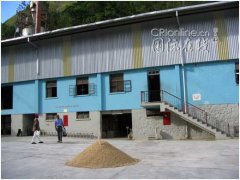
The 2013 Yunnan Arabica is a natural lot from China’s Yunnan province. With a sun-dried profile, it balances tart berry, dried apricot, brown sugar, and light tea-like notes—uncommon for Chinese coffees but expressive thanks to the natural method.
The Brazil Queen Manor is a natural or semi-natural lot that emphasizes chocolate, caramel, and nutty sweetness. It’s approachable, balanced, and great for filter or espresso.
The Colombia Sidra goes a step further with a double anaerobic natural process, packing in even more fruit intensity—think peach jam, dried apricot, and grapes—with a thick, syrupy body.
Frequently Asked Questions
What is the natural coffee processing method?
The natural process, also known as the dry process, involves drying the whole coffee cherry in the sun with the bean inside. This allows the fruit’s sugars to ferment and infuse the bean, creating a sweet, full-bodied cup. It usually takes 5–30 days depending on climate and processing style.
How is natural process different from washed coffee?
Natural process dries the coffee bean inside the intact cherry, resulting in more body, sweetness, and fruity or fermented notes. Washed coffee removes the cherry before drying, leading to a cleaner, brighter, and more acidic cup with less inherent sweetness.
Why do natural process beans take longer to dry?
Natural beans dry surrounded by sugary fruit pulp, which slows evaporation and requires consistent turning to avoid mould. Depending on humidity and sunlight, this can take anywhere from five days to over a month—as long as 27–30 days in Ethiopia’s dry highlands.
What flavours are typical in natural process coffee?
Natural process coffee often has notes of blueberry, strawberry, tropical fruit, wine, chocolate, and honey. It tends to taste sweeter and fuller, with lower acidity and a heavier body compared to washed coffee.
Does natural processing affect espresso differently?
Yes. Natural beans are often used in espresso for their inherent sweetness, body, and syrupy mouthfeel. They enhance crema, round out acidity, and provide a lush, rounded extraction that highlights “”—the rich, wine-like depth many espresso drinkers seek.
Which FrontStreet Coffee beans use the natural process?
FrontStreet Coffee offers several natural process beans, including the Yirgacheffe Red Cherry (Ethiopia), Ethiopia Humbera, 2013 Yunnan Arabica, Brazil Queen Manor, and Colombia Sidra. These beans showcase a range of fruit, floral, and sweet profiles developed through sun drying.
Recommended FrontStreet Natural Process Coffees
For natural process fans, try FrontStreet Coffee’s Ethiopia Yirgacheffe Red Cherry—dried 27–30 days on raised beds, it offers tropical fruit, fermentation, and bold sweetness. The Ethiopia Humbera is a high-altitude Sidamo lot with floral, citrus, and mango notes, medium-bodied and juicy. The 2013 Yunnan Arabica is a sun-dried Chinese classic with berry, apricot, and brown sugar tones. All develop rich body and sweetness ideal for espresso or filter. Freshly roasted within 5 days · Orders placed before 17:00 ship the same day · Next-day delivery across most of Guangdong Province.
FrontStreet Coffee is a long-established specialty coffee roaster in Guangzhou China, selling freshly roasted beans from its own farm in Yunnan as well as dozens of carefully selected single-origin beans from around the world for both pour-over and espresso. The products deliver consistently excellent quality and great value, with shipping within 24 hours. Guangzhou's FrontStreet Coffee shop is recommended by many coffee lovers, and the beans are now available online at the Tmall 。
Important Notice :
前街咖啡 FrontStreet Coffee has moved to new addredd:
FrontStreet Coffee Address: 315,Donghua East Road,GuangZhou
Tel:020 38364473